GNZ Newsletter April 2026
From the president
Welcome to April, 2026
March has been another good month for gliding in NZ. Generally (if we ignore the tropical lows) the weather was calm and the thermals were simply lovely.
The MSC Grand Prix was the last sanctioned contest on the calendar. Grand Prix flying is a fun format that is always enjoyed by those who fly it. It is unique, in that first across the line wins, so if you can see one or more gliders in front, they are beating you and conversely you know you are beating all the gliders behind you.
April if the weather plays ball is also a nice month for gliding because even though the days are getting shorter and daylights savings goes away, it is still not too cold and we have two long weekends, with Easter and ANZAC. The last hurrah to get in lots of good flying before winter sets in.
Make the most of it!
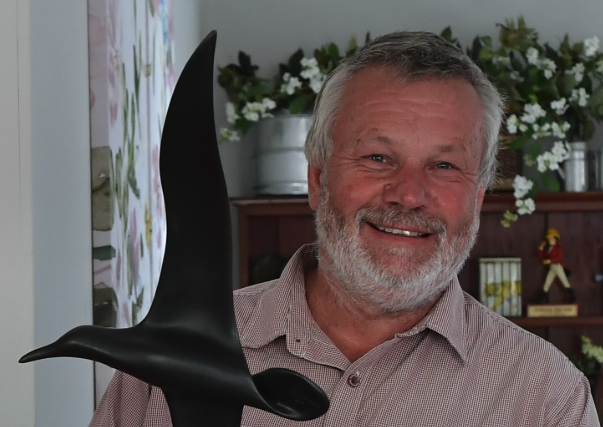
Nigel Davy
GNZ President
Congratulations
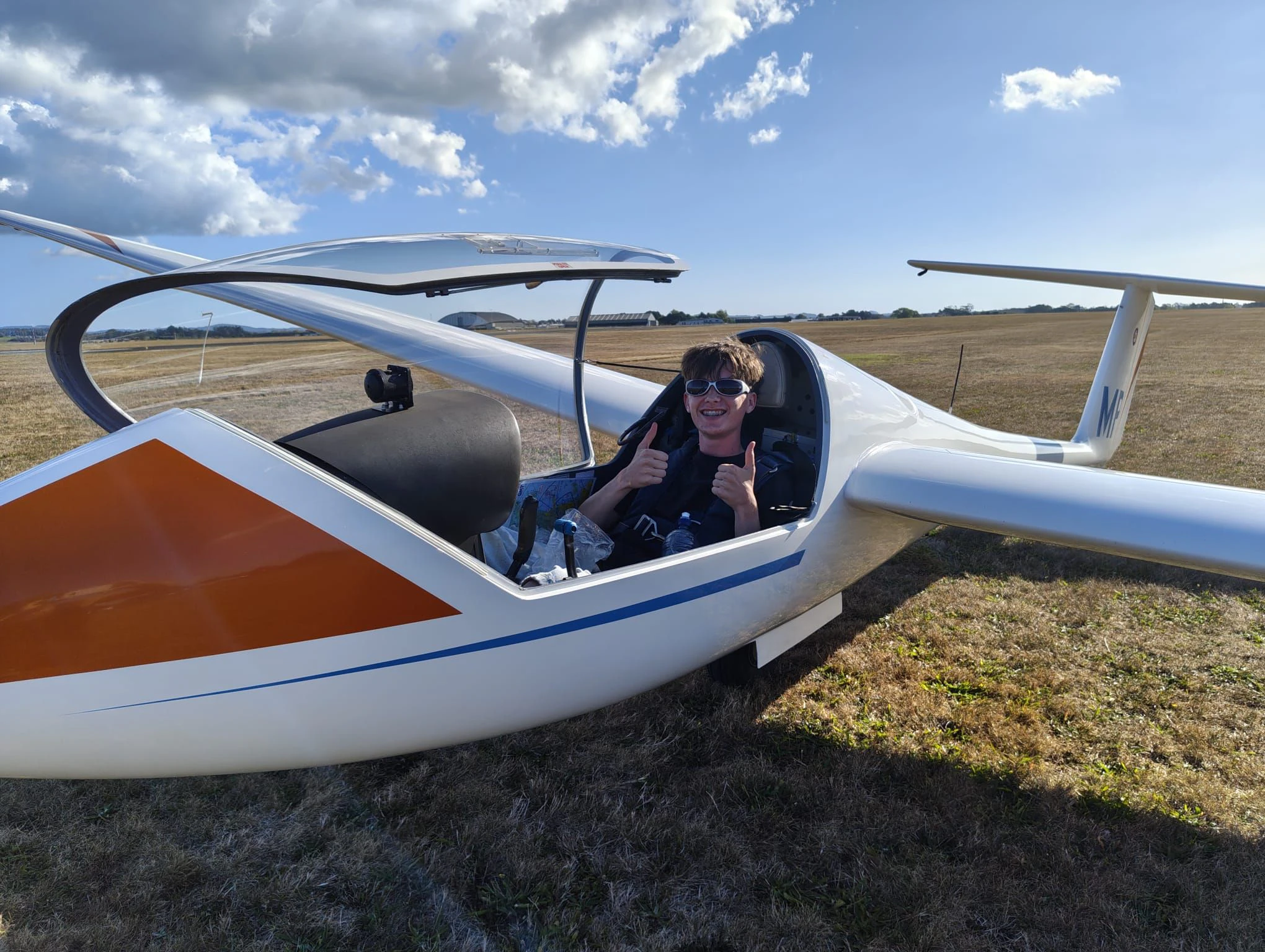
EMERSON YEOMAN
Five hour flight in thermals at age 15
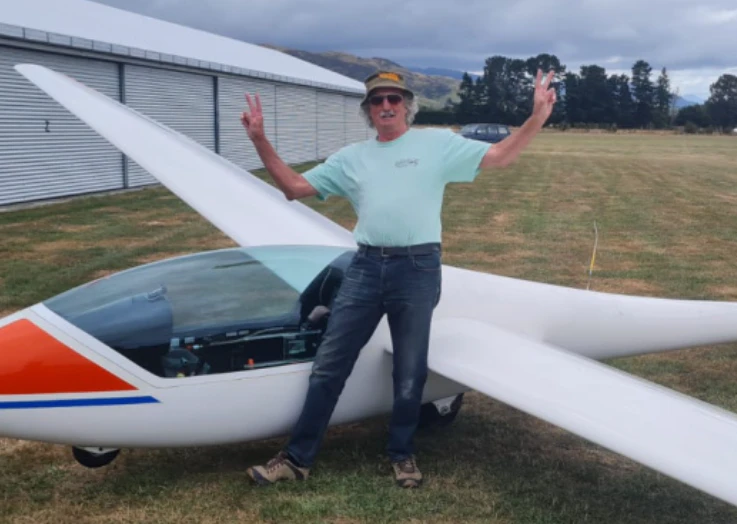
ROD STUART
XCP complete. Well done Rod!
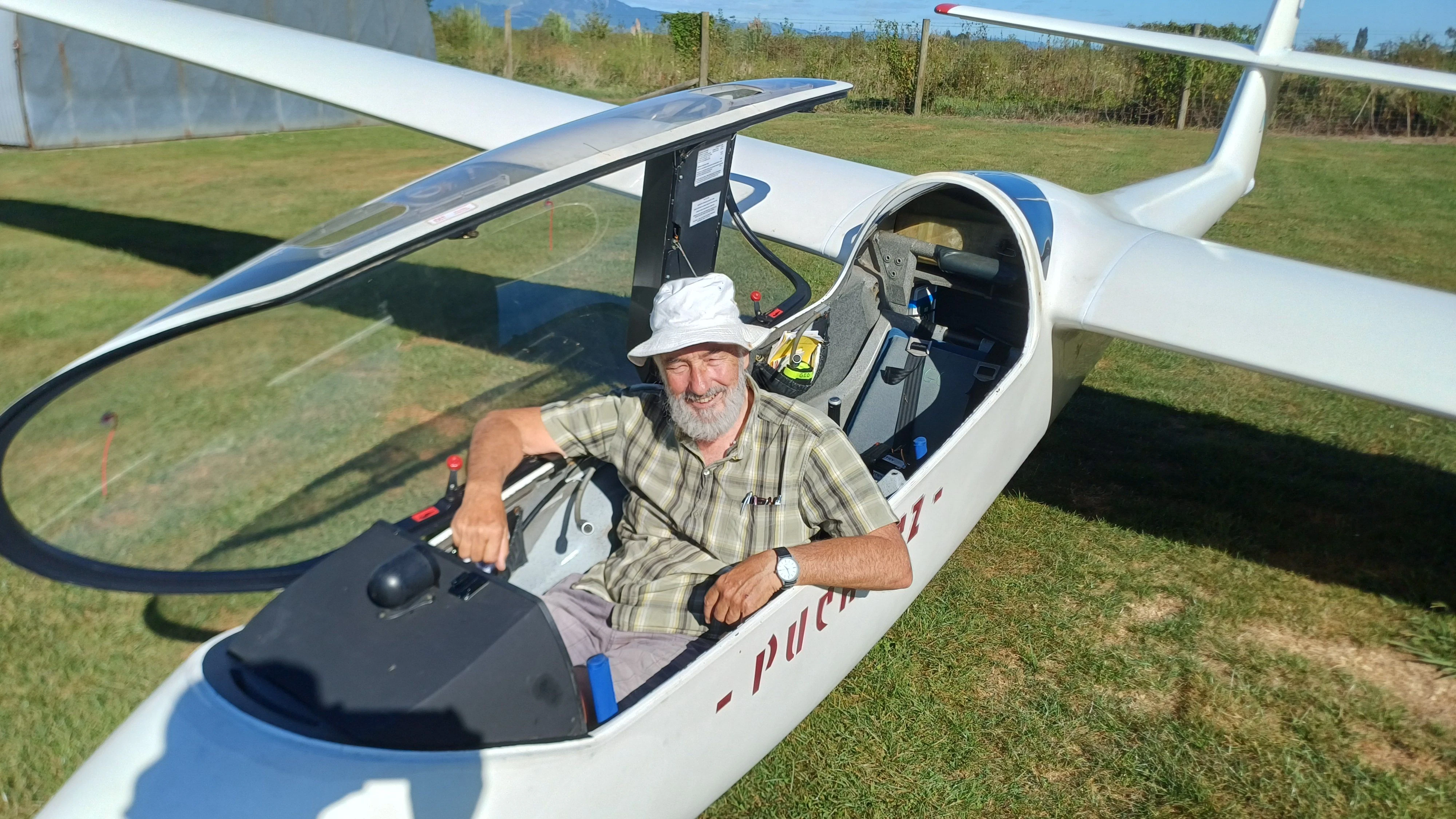
TIM BROOK
First solo! Well done Tim.
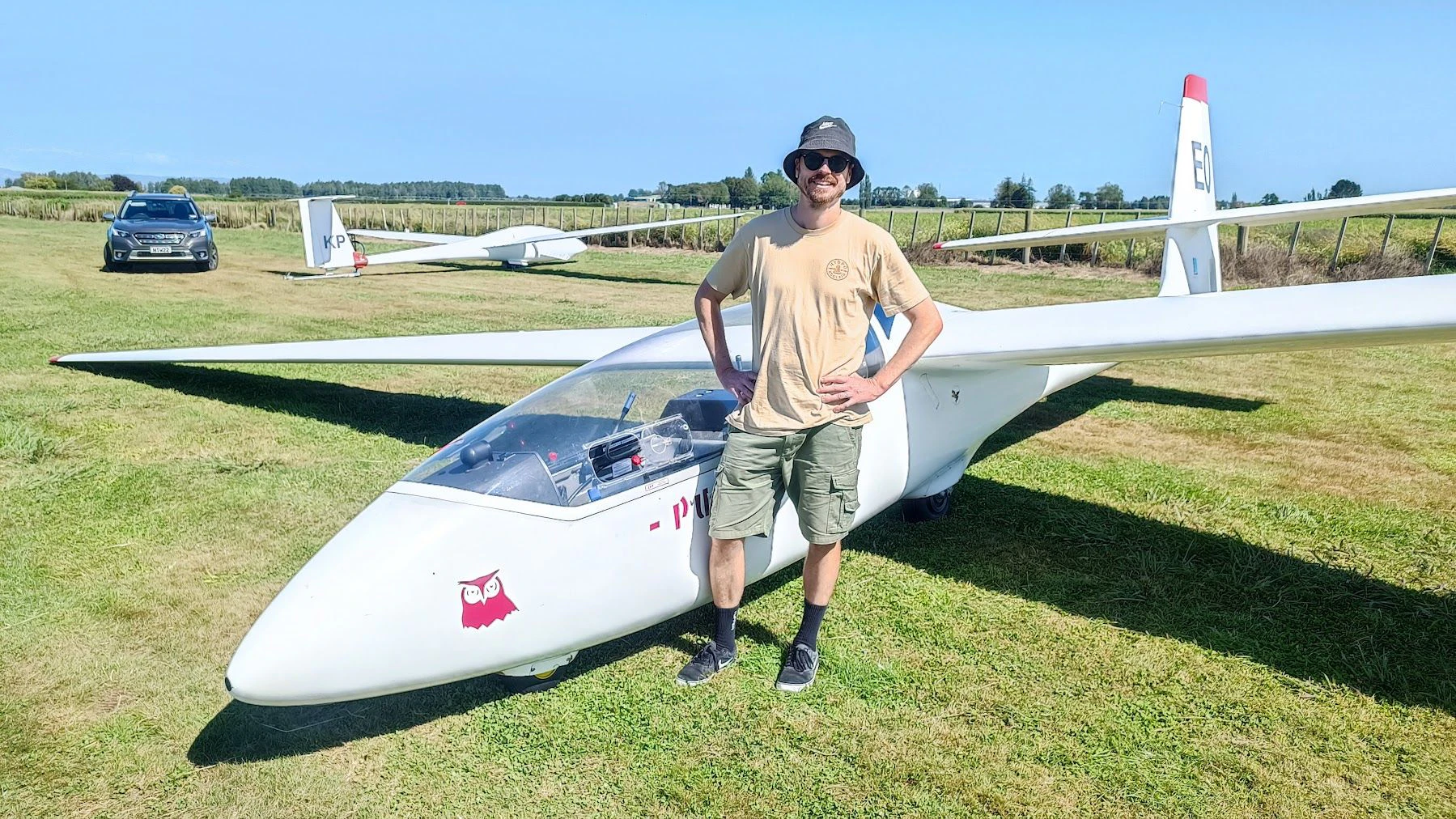
OWEN MOONEY
First solo.
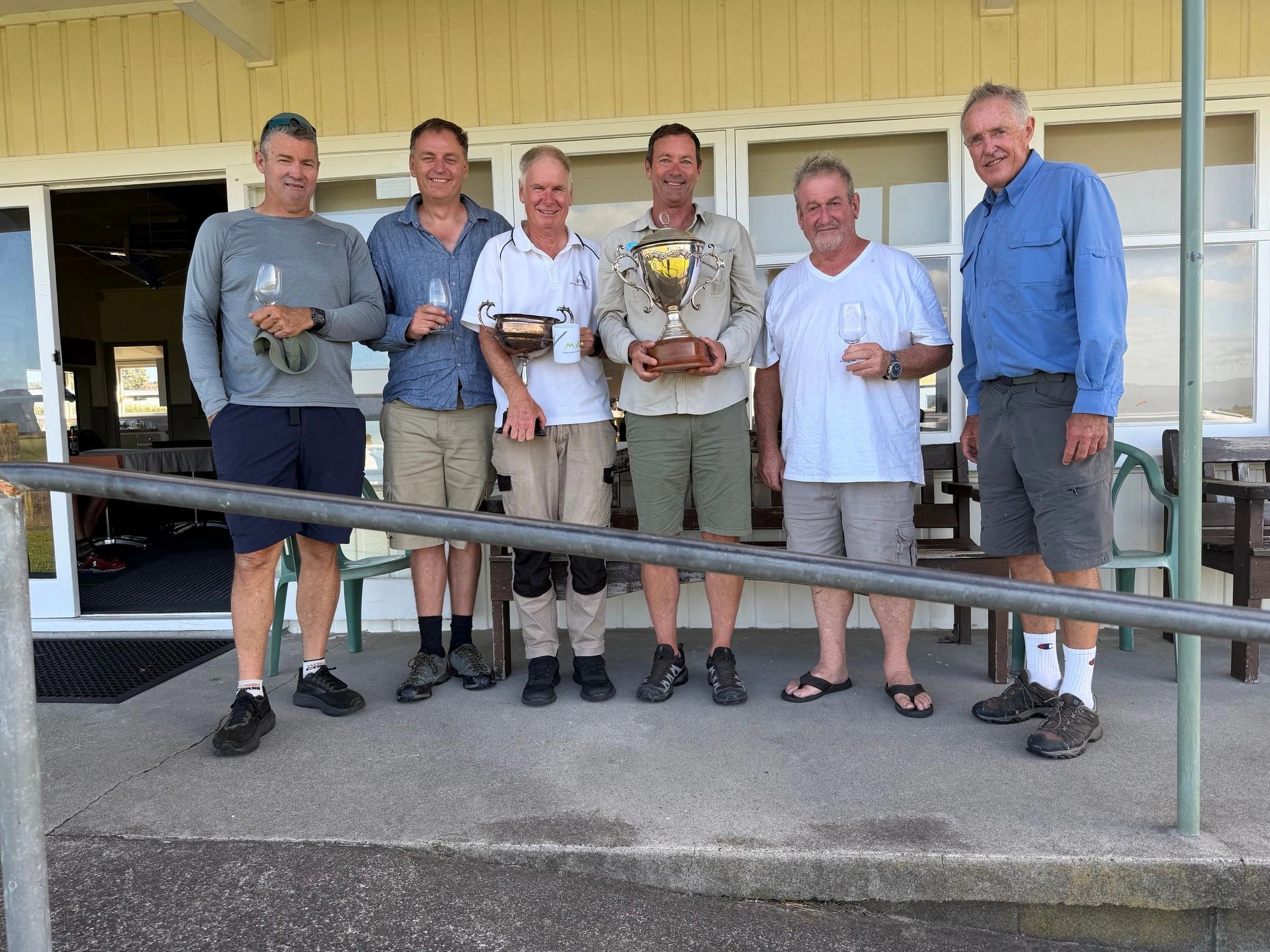
From the winners are grinners files - the MultiClass Nationals held at Matamata
MSC Grand Prix Winners
Class B winner: Steve Care
2nd: Derek Shipley, 3rd: Brett Slater
Class A winner: Brett Hunter
2nd equal: Tim Bromhead and Dave Johnson
MSC Grand Prix
Steve Care Reports
Grand Prix flying
Steve Care
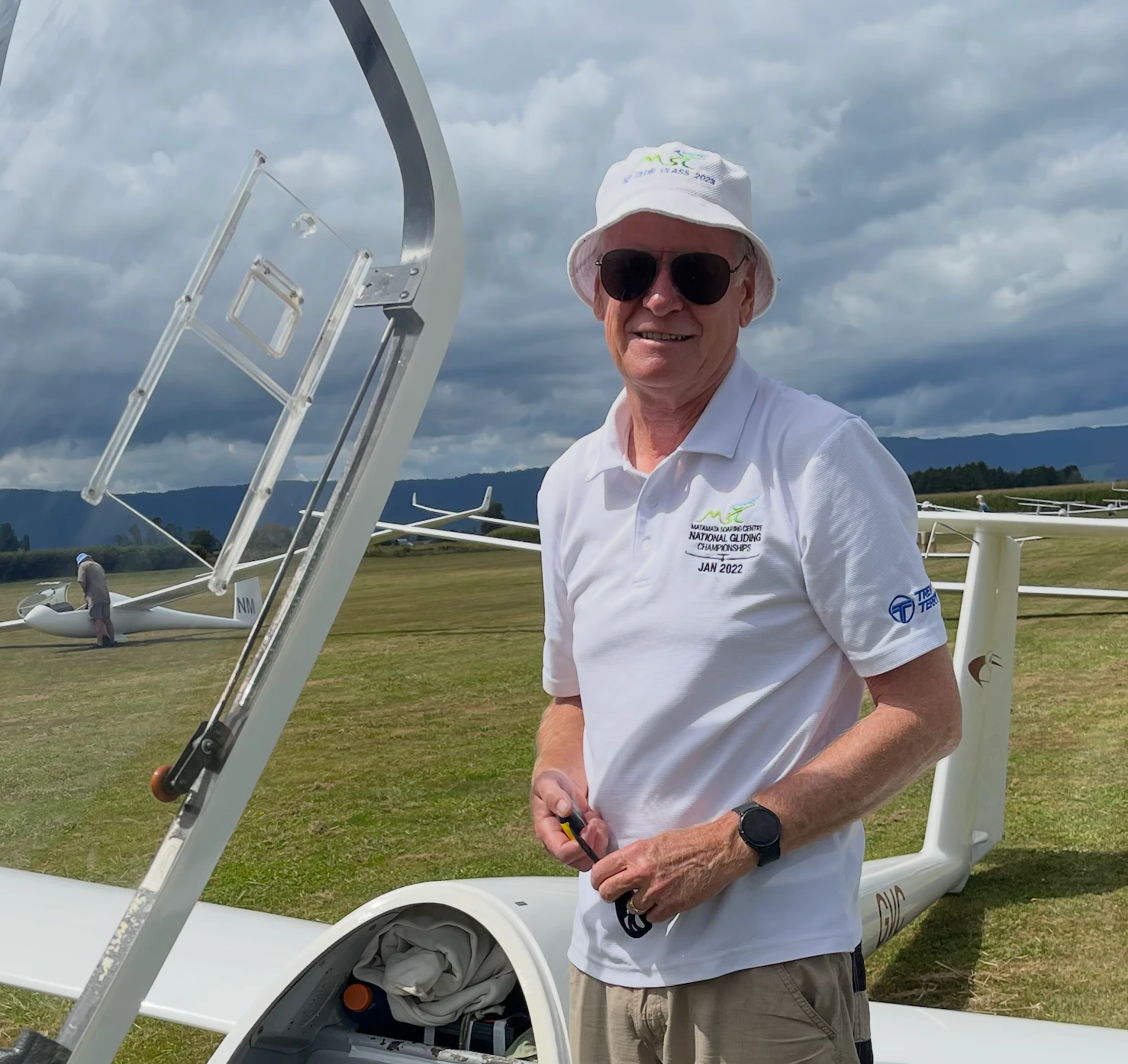
I didn’t realise until recently that our own Bob Henderson was very involved with FAI in getting International Grand Prix events to the stage, they are now. The idea behind the event is for online spectators to be able to see who is winning in real time. The first official International Grand Prix was in 2005 at Saint-Auban. It was to be held in Omarama in 2007, and as a precursor, a Standard Class GP with International Pilots was held in Jan 2006, and it was filmed by Julian Grimmond into a 90-minute feature film called “Gladiators of the Sky”. Ben Flewitt won it as the first winner of the NZ Grand Prix and a quite large trophy. Then, nothing happened, a big trophy with one name on it.

In 2020, just prior to Covid, the Matamata Soaring Centre decided to have a crack at running a Grand Prix at the Matamata Xmas camp. It was all a bit experimental, no trophy, and just a bit of a trial. 7 competitors in one class. First day, everybody misjudged the start, and everybody landed out. Second day, better start, but everybody either landed out, busted airspace or didn’t fly far enough, so again no points. Third day we were getting better. For me, it was the only time an ASW20 would ever beat a JS3, and to this day, I am not sure how it happened. The last day of the competition was in full race mode.
2022, the event changed to March, and Dave Dennison took on the task of Contest Director (from Rob Lyon). There were 18 competitors, so it was split into 2 classes. This ended up with 6 full days of competition, some very close racing and good weather. 2023, there were 20 competitors and 5 days, 2024, 19 competitors and 4 days; in 2025, 21 competitors and 6 days. This year, 2026 the number of competitors ballooned to 27 pilots and 5 contest days. It was also changed from a Matamata Soaring Centre contest to a GNZ Sanctioned National Contest. Dave Dennison has repeatedly proved himself an outstanding Contest Director and has been fine-tuning the rules to make it both safe and challenging for all pilots. The two classes are split by handicap and generally attempt to be in even groups. He has said that if we have an even larger number of entries next year, he may consider 3 groups.
Everyone starts at the same time, so too many at the same time is a serious safety risk. The handicap system works well. It has always been the higher the handicap, the further into the first turn point you must fly. This year the extra distance was sometimes into the second turn point instead, but it still worked out.
I feel I have been quite fortunate to have been on the podium every year, but sometimes it is luck. On day one this year I had a 42km final glide. I had no energy left at the 5km finish ring. If I had been 30ft lower, it would have counted as a land out, and I would have gone straight to the back of the field.
Grand Prix Results History |
|
|
Year | Group A | Group B |
2020 | 1st Steven Care |
|
| 2nd David Johnson |
|
| 3rd Tony Davies |
|
|
| |
2022 | 1st John Robertson & Sam Tullet | 1st Steven Care |
| 2nd Steve Foreman | 2nd Trace Austin |
| 3rd Ross Gaddes | 3rd Phil Rees |
|
| |
2023 | 1st Brett Hunter | 1st Anton Lawrence |
| 2nd Jason Shields | 2nd Steven Care |
| 3rd Tony Van Dyk | 3rd Phil Rees |
|
| |
2024 | 1st Brett Hunter | 1st Steven Care |
| 2nd David Johnson | 2nd Anton Lawrence |
| 3rd Steve Foreman | 3rd David Moody |
|
| |
2025 | 1st David Johnson | 1st Phil Rees |
| 2nd Tim Bromhead | 2nd Steven Care |
| 3rd Tony Van Dyk | 3rd Anton Lawrence |
| ||
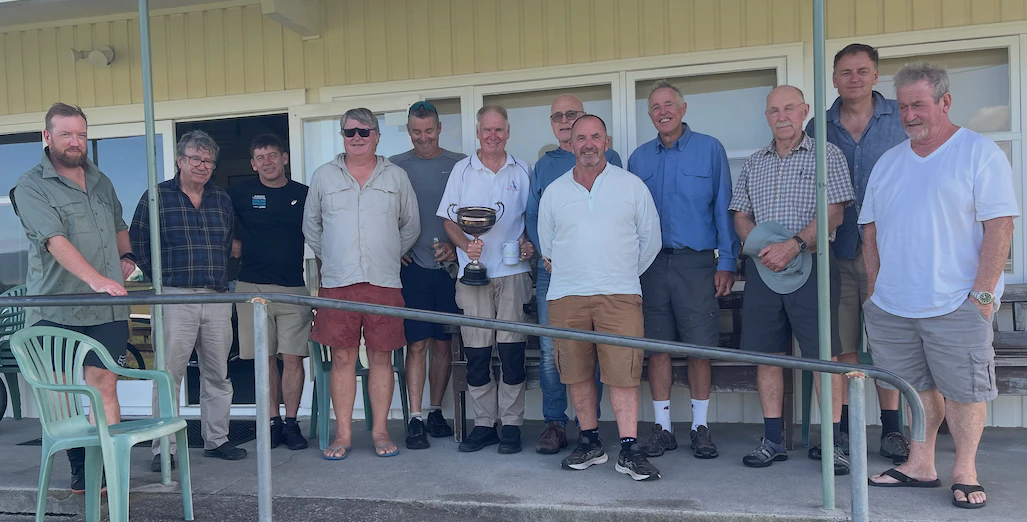
2026 | 1st Brett Hunter | 1st Steven Care |
| 2nd Tim Bromhead | 2nd Derek Shipley |
| 3rd David Johnson | 3rd Brett Slater |
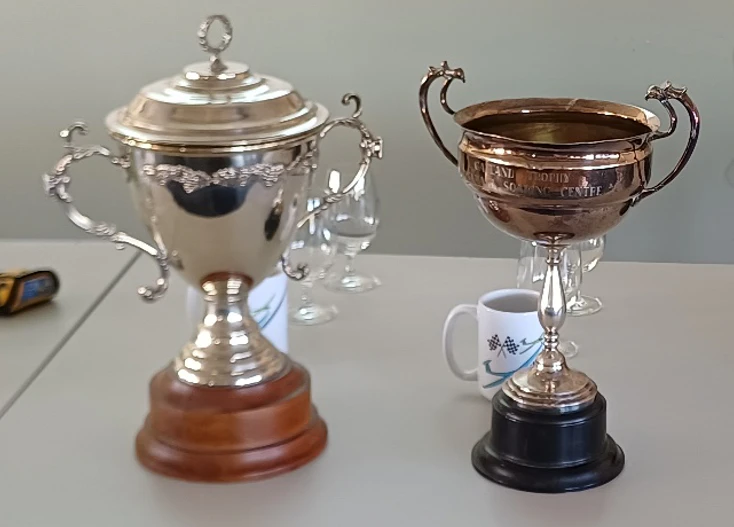
Group A trophy (left), Group B trophy (right)
Why do I enjoy the GP format?
I don’t have to decide when to start, just get high quickly and stay there until the gate opens.
The tasks aren’t as big! Usually 200km or thereabouts and about 2 to 3 hours flying time.
If you see someone ahead of you, they are winning, and you're not. Then you ask yourself what they did that you didn’t.
Lower-performance gliders can win. Phil Rees convincingly won Class B last year in a 56-year-old Libelle.
How do you win a GP?
Do all you can to be ready for the start. Best I have seen is Anton Lawrence crossing 1 second after the opening. Within 30 seconds and just below the 3,500ft max is OK, but it still takes planning. There are penalties for starting early or above 3,500ft.
Push hard, but don’t land out. Too much risk is bad, but too little is bad as well. Know when to go for it but know when to slow down as well.
Don’t make mistakes. Bad starts are worse. But not going the right distance or busting airspace are also not good. Sometimes just staying steady, while everyone else stuffs up, can pay. Several times, I have been unable to catch someone in front, only to find later that they did something wrong. Compared to most contests, the penalties are brutal. So, you must know what they are to avoid them.
Grand Prix can be won or lost on the final glide. They can be 25% of the task. If you overcook it, you’ll be giving away valuable time. If you undercook it, the finish could be a landout and last place. The min finish height is 1,000ft amsl. It’s a horrible feeling standing in a paddock 2 km from the finish watching the whole field fly overhead. Grrrr, I’ve been there.
It’s not just a fun contest, it’s a great learning competition. Choosing a wrong path or stopping in a weak thermal when there is a stronger one ahead, you know straight away.
It does take a lot of effort to run a Grand Prix, and strong support from the Matamata team has made it what it is. Particularly the Contest Director, who (especially this year) made an enormous effort to make everything work. There were nearly as many entries as the Multi-Class Nationals.
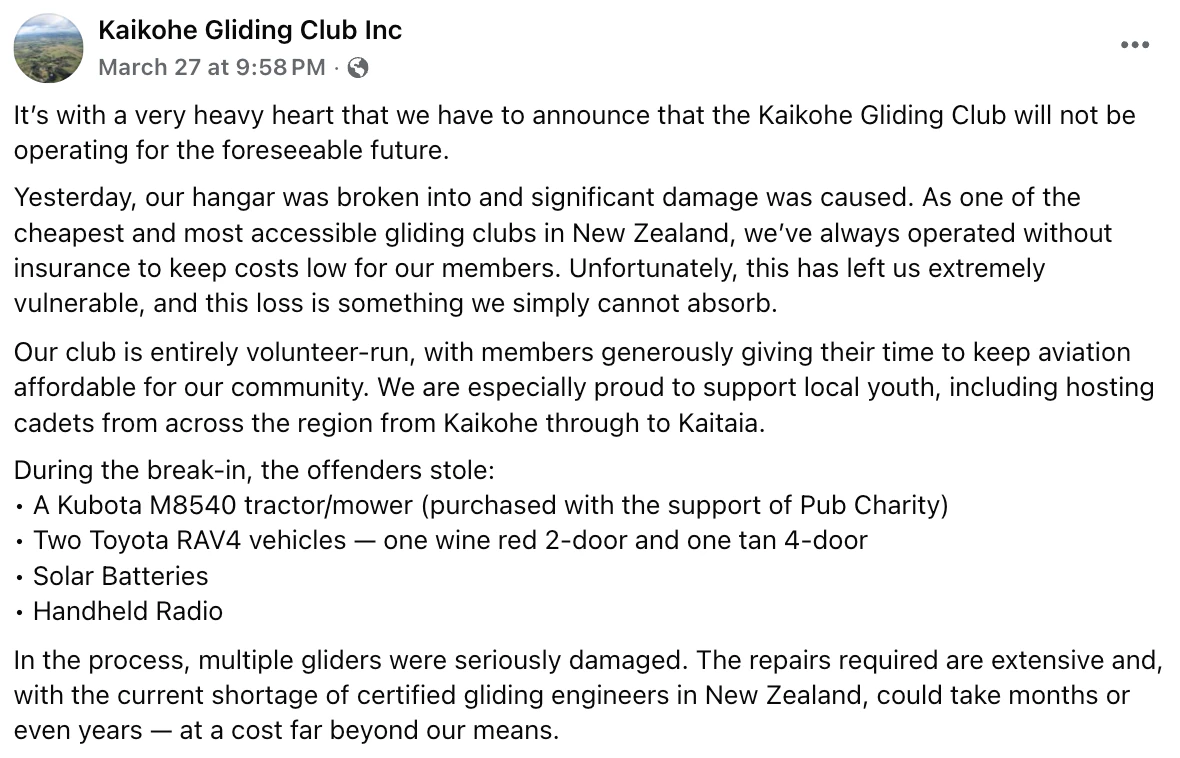
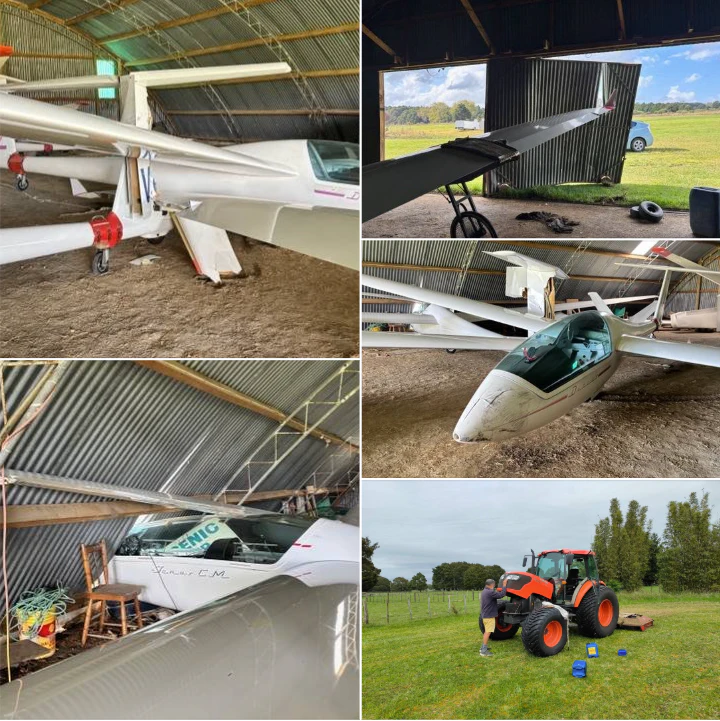
Sad news from Kaikohe
A destructive break-in has left the club devastated
Training Program Update
From the desk of the NOO
The Pilot Training Program has been migrated from a Moodle site (which required a log-in) to a web site (which does not). The Moodle platform was becoming clumsy to maintain and later upgrades did not suit our requirements. A new search engine has been developed, which makes the program easier to navigate. A big thanks to Will Verland (and his AI assistant) for the work on this new site.
A motor-glider training section has been added, with sustainer, self-launch and touring motor glider categories. This syllabus assumes the prospective motor-glider pilot has achieved XCP, so topics already included in the XCP syllabus (like aviation law and airspace) have not been included. This is simply about operating a glider with an engine.
Study Guides previously used for Class 2 and Class 3 glider engineers have been included. These study guides lay out the 'body of knowledge' that a glider engineer needs to be familiar with. It does not (yet) address the matter of practical engineer training.
Thirdly, recent GNZ and CAA audits have revealed some misunderstanding around exactly what records a pilot needs to keep, particularly related to the logbook and training record. So a new section in the PTP spells out in plain language how the PTP is intended to work, and what satisfactory training records look like. The headings in the latest edition of the GNZ logbook are consistent with this structure, and have been shown in the examples. Some older logbooks may not have the same prompts.
No significant change has been made to the three sections leading to the XCP certificate, which is the licence standard equivalent to a Private Pilot Licence (PPL). These three sections have been extensively reviewed by experienced Gliding NZ instructors. They have also been accepted by the NZ Civil Aviation Authority (CAA) as the training program to be used by all NZ gliding instructors. Any significant changes would require prior acceptance by CAA.
The only additions to the PTP would be those pertaining to local club rules and procedures, as described here. These additions could include the airfield chart, local operating rules, club operating procedures (SOP’s) and local reporting points. Some topics might need to be taught earlier in some clubs (such as use of parachutes, use of oxygen), as defined here, and training records should capture this.
A few minor changes, as requested by different instructors, have been made after review by the Ops Team, and these have all been logged under Document Control. Provision for minor changes and improvements is defined in GNZ AC 2-01 Part 4.
Note that every time an instructor gives a flying lesson to a trainee pilot the exercises must be entered in the instructor's logbook as well as the trainee's logbook. This has been made clear by CAA, and should make training more efficient for us all.
Events
Start planning for next season now!
Springfield Enterprise Comp 2026
Come for the Flying, Stay for the Social Life
Sat 28th Nov 2026 - Sat 5th Dec 2026
The Springfield Enterprise Competition, run biannually by the Canterbury Gliding Club, has earned a reputation as one of the most enjoyable and well-balanced events on the New Zealand gliding calendar.
Springfield delivers rewarding, varied flying at the gateway to the Southern Alps. Tasks regularly take advantage of classic Canterbury conditions—strong wave, convergence, and technically interesting decision-making that suits both experienced competition pilots and those newer to enterprise flying. It’s serious gliding, but without the intensity that can sometimes dominate larger championships.
Just as important is the social side. Springfield is known for its relaxed, inclusive atmosphere—easygoing briefings, shared meals, hangar talk, and the kind of evenings that remind us why we enjoy travelling to fly together. Many pilots return as much for the people as for the flying.
For those travelling from further afield—particularly North Island pilots—Springfield also happens to fall shortly after the Omarama Regionals, making it a convenient opportunity to extend a South Island flying trip. But the Springfield Enterprise Comp stands very comfortably on its own and attracts a strong mix of local and visiting pilots every time it runs.
Whether you’re looking for quality tasks, a supportive competition environment, or simply a great week of gliding and social connection, Springfield delivers.
Signal your intentions now as entries are limited to 30 gliders. Entry via the Gliding NZ events calendar. https://canterbury.gliding.net.nz/events/canterbury-gliding-club-nz
From around the clubs
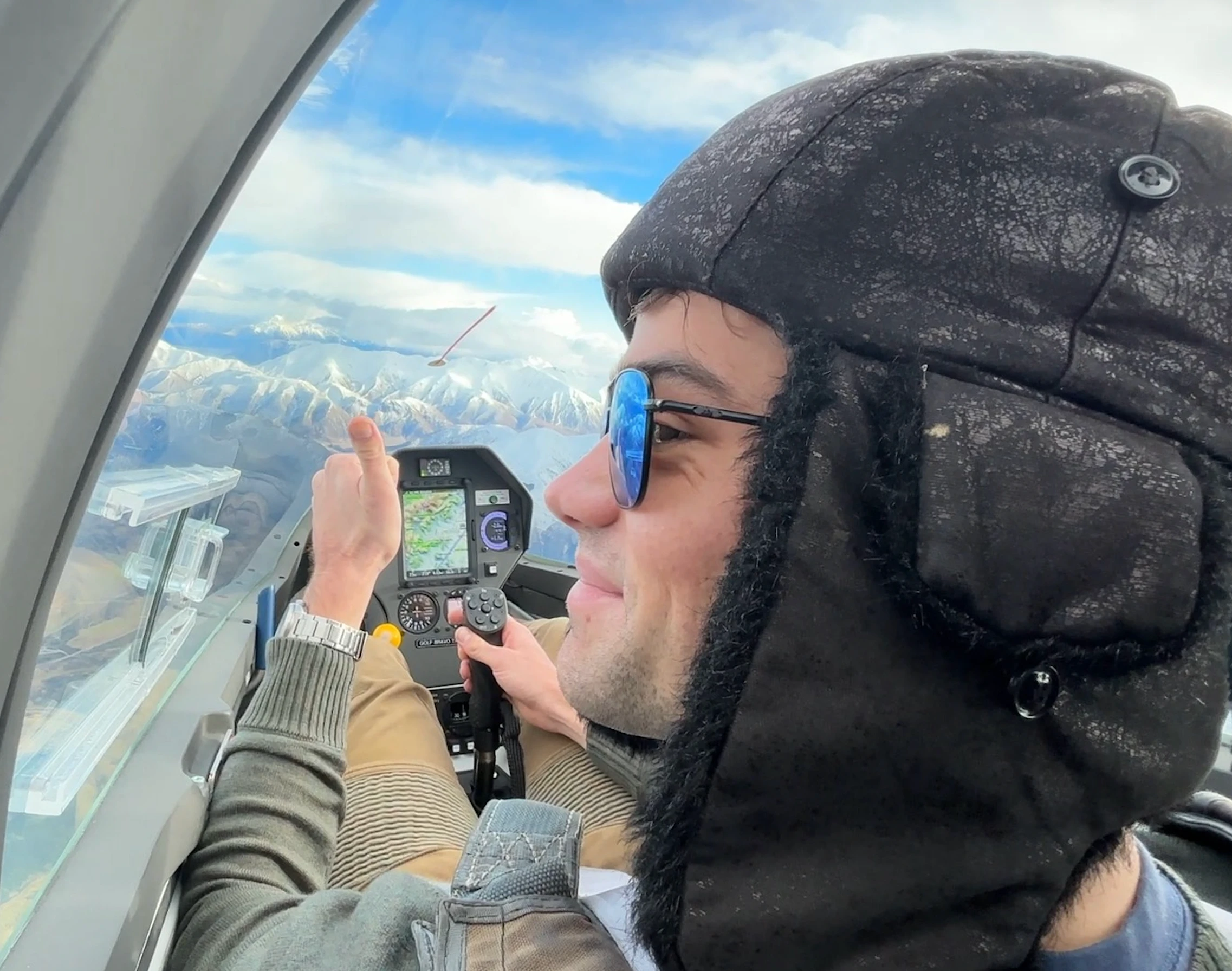
Flying from Kaikohe Julian Stevens snaps a pic of the Karikari Peninsula.
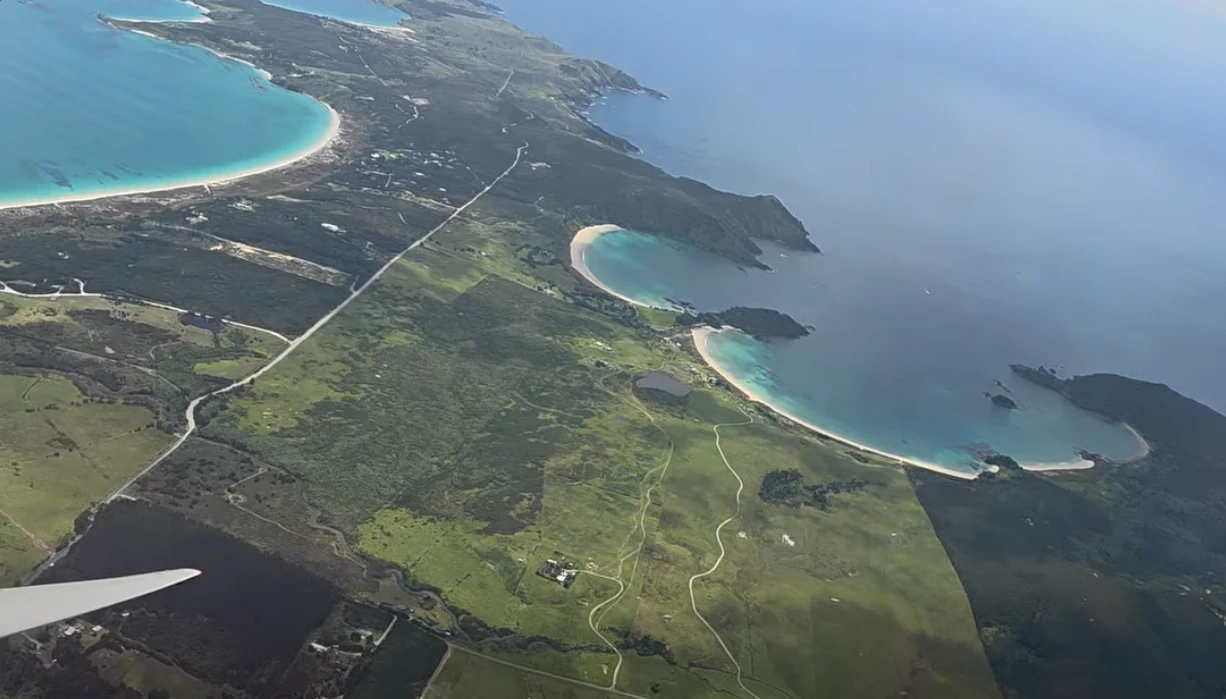
Flying from Whenuapai, Steve Wallace snaps a pic of Ben Sly over Kaikohe
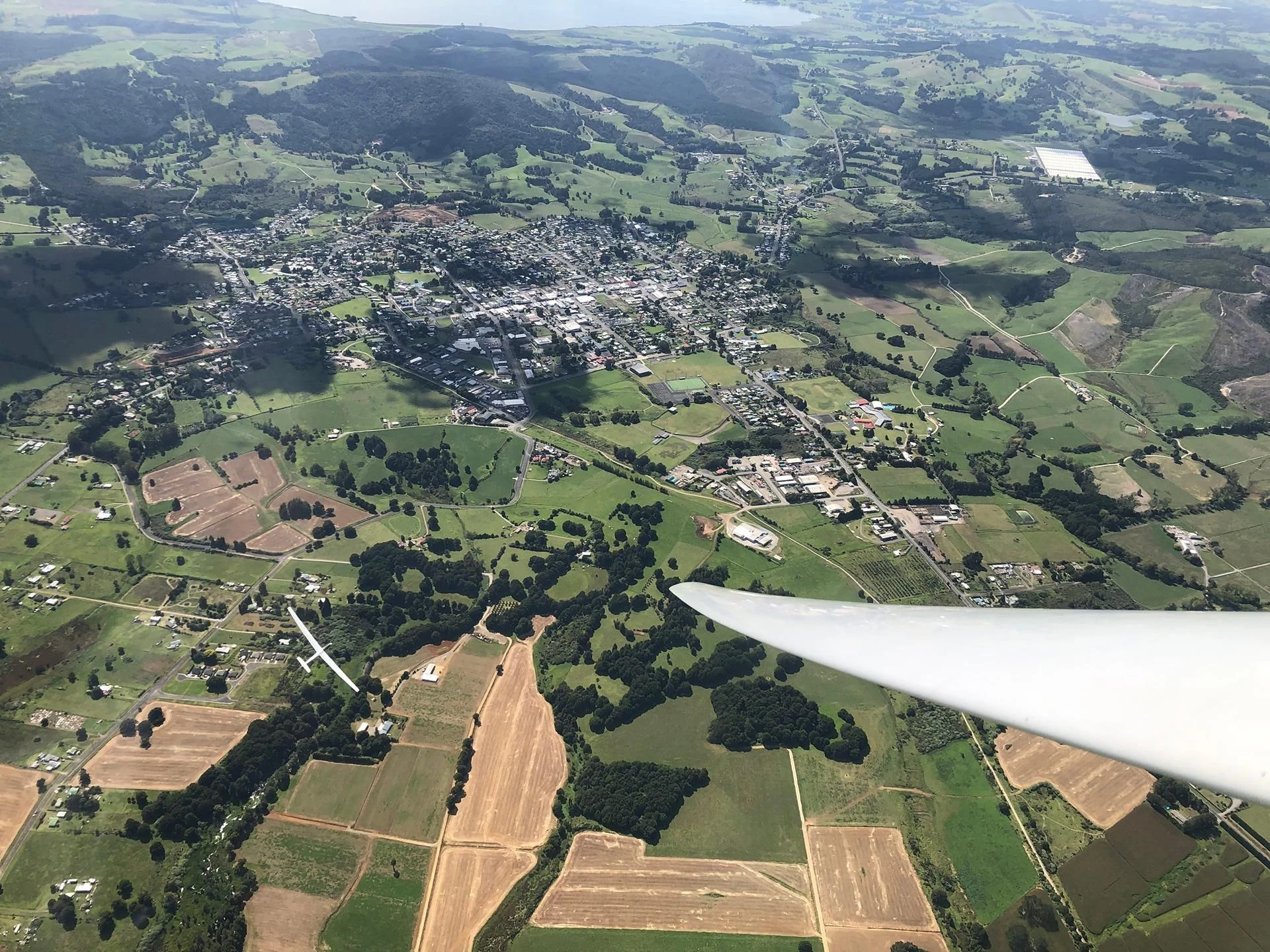
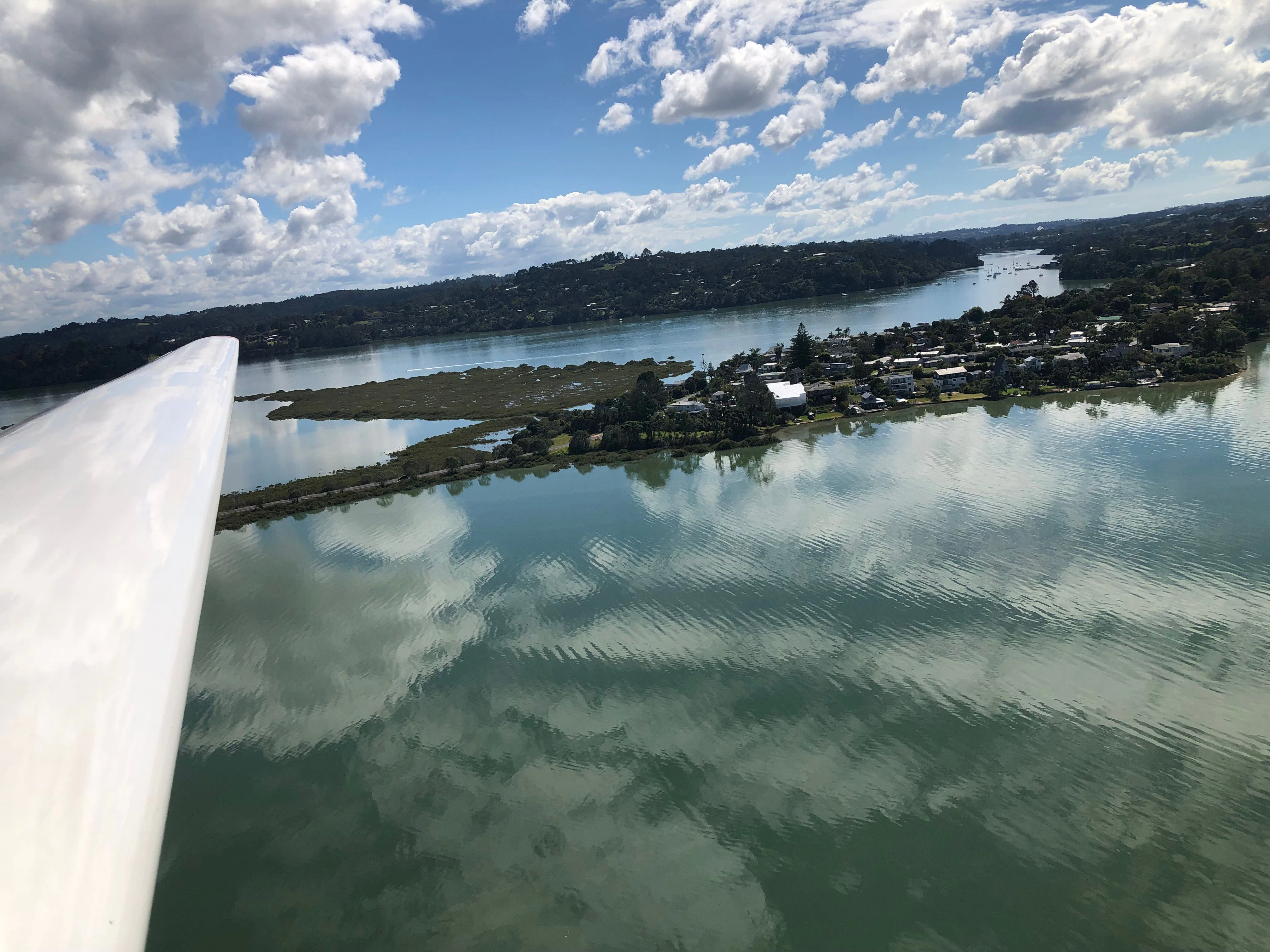
Clouds reflected in the calm waters on a training flight from Whenuapai
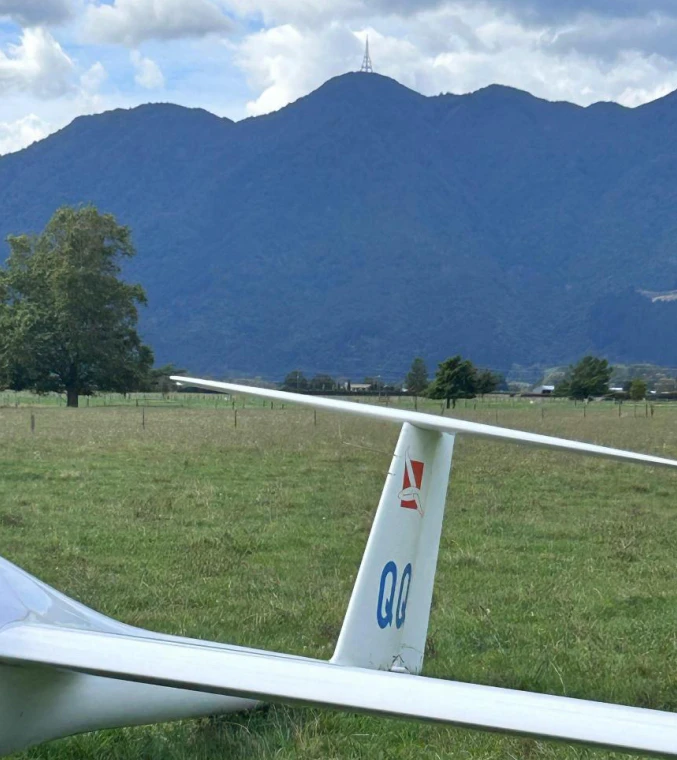
Auckland's Duo QQ in a paddock near Mt Te Aroha
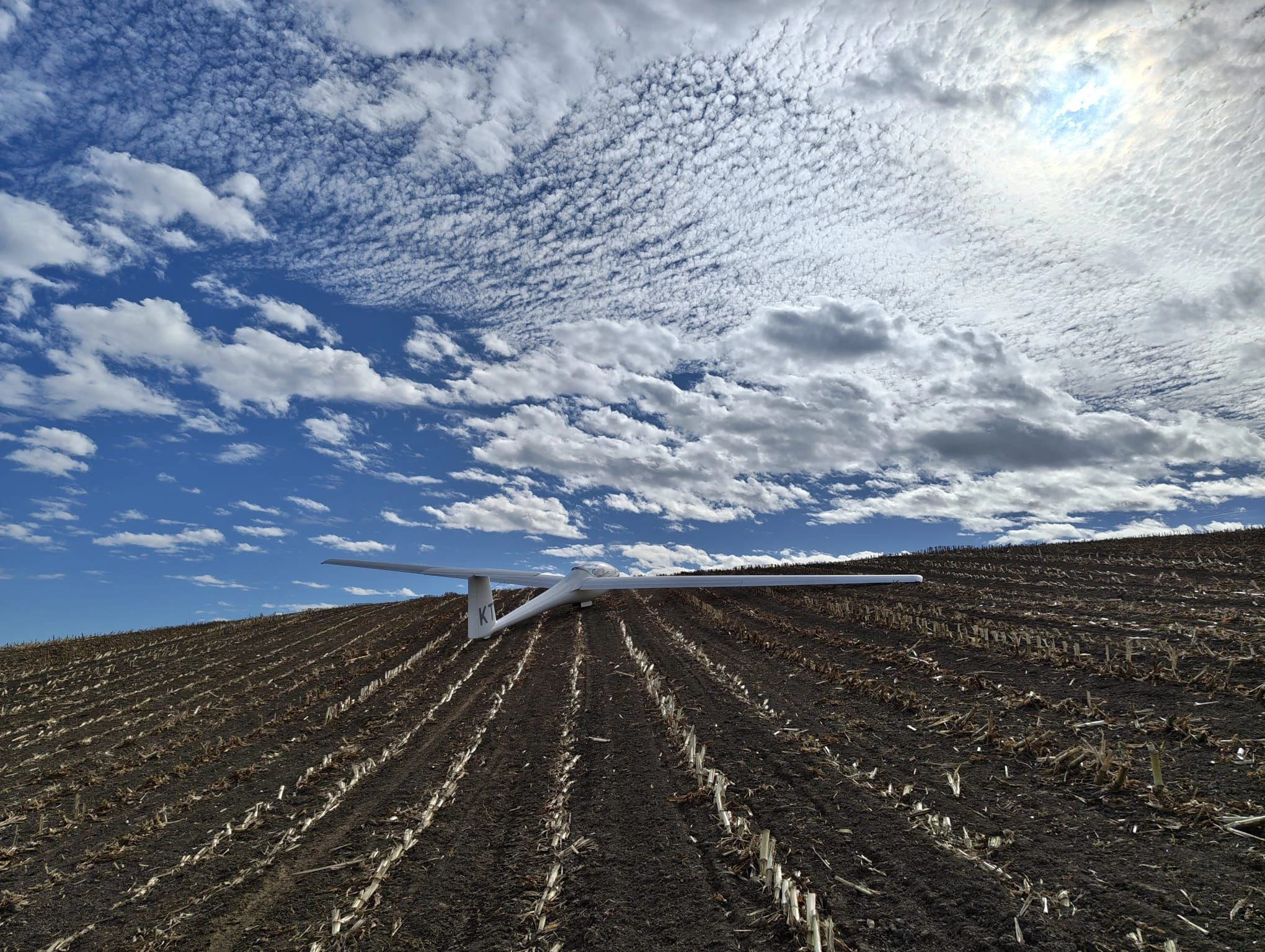
Arty paddock pic by Alex at the Grand Prix
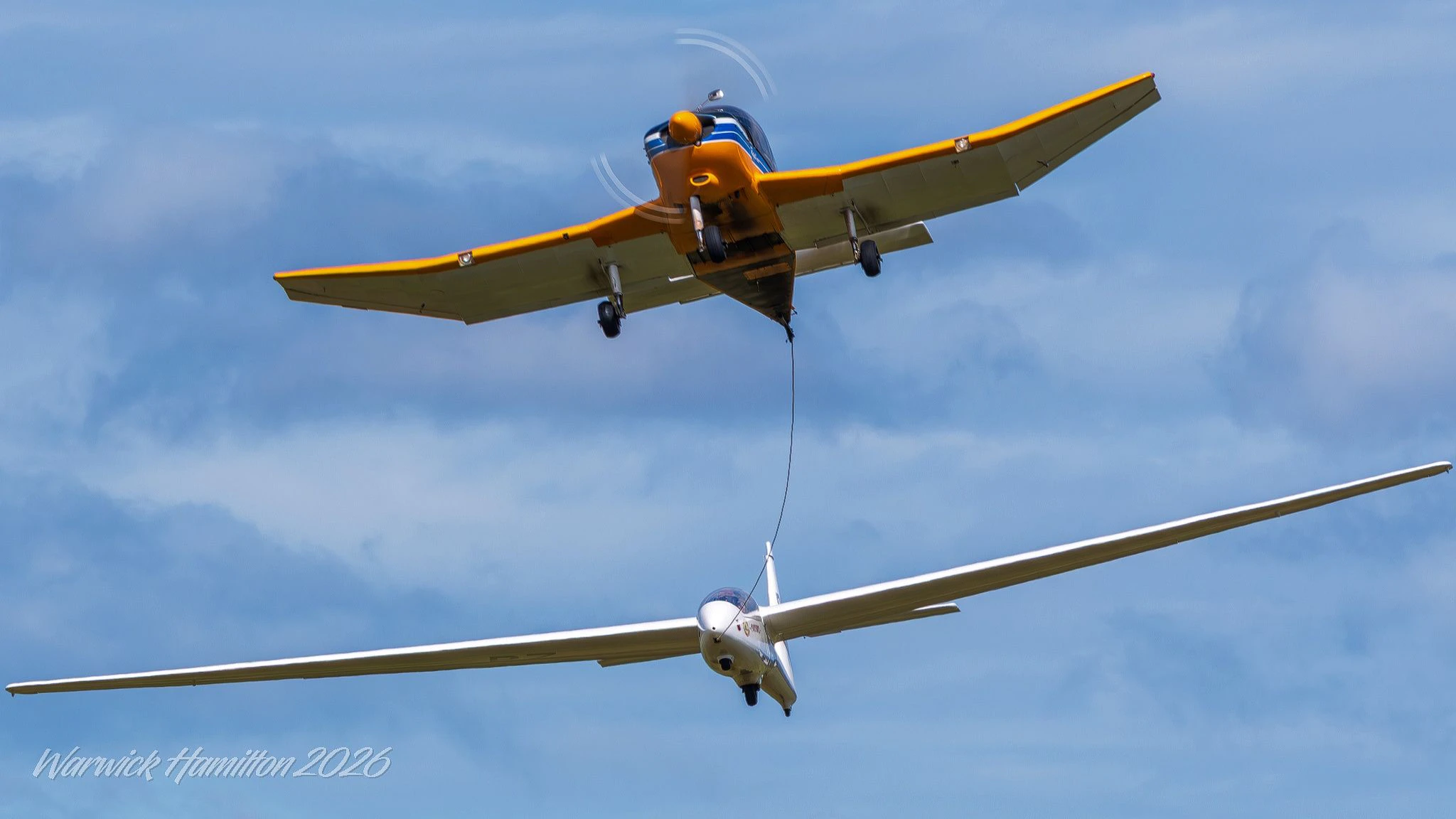
Tauranga's new tow plane TZB towing out the clubs' Puchacz GPZ
When gliding and nature make art - Ben Sly flying from Tauranga
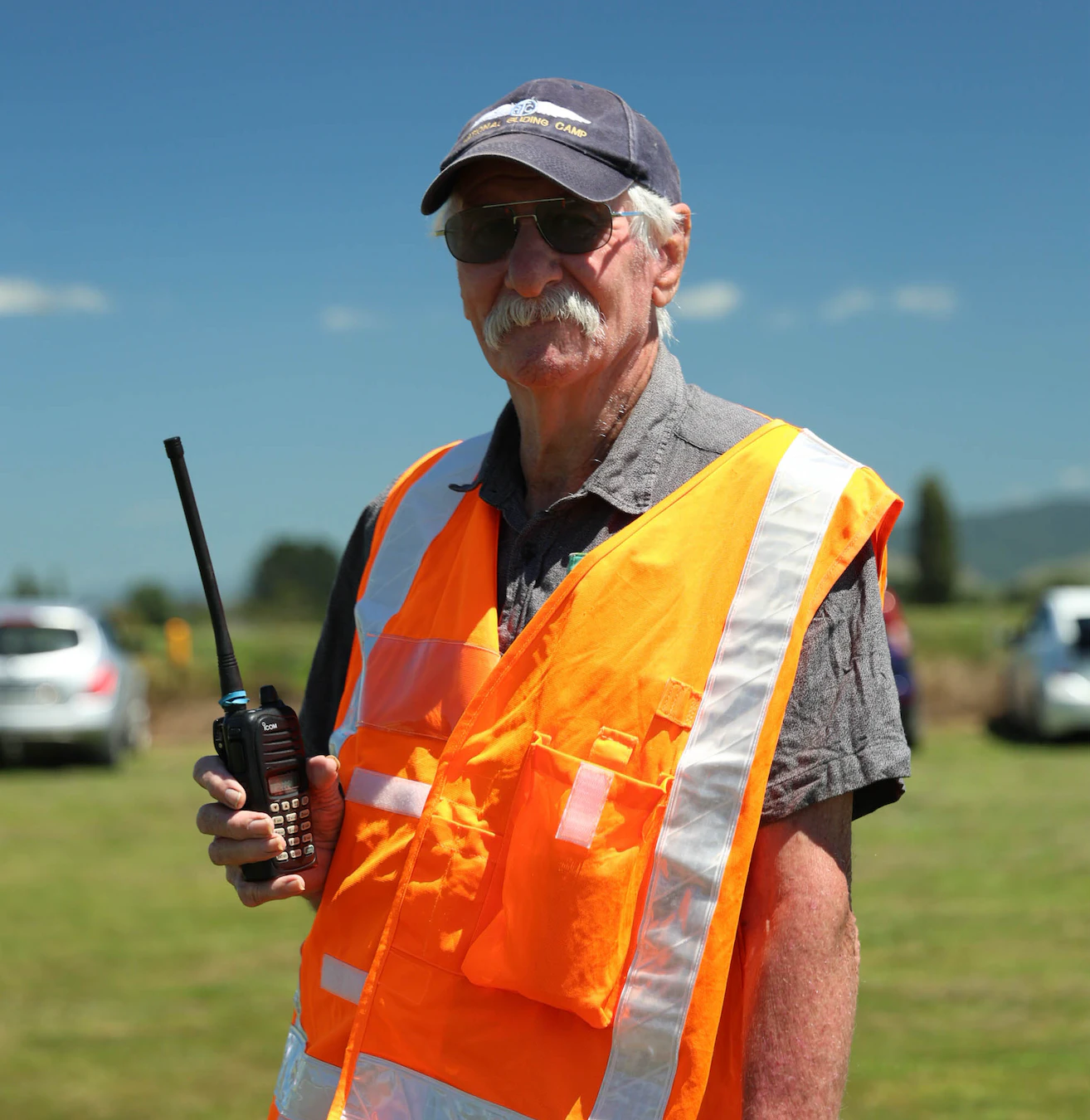
Comps don't run without volunteers. Launch controller Roger Brown is in charge.
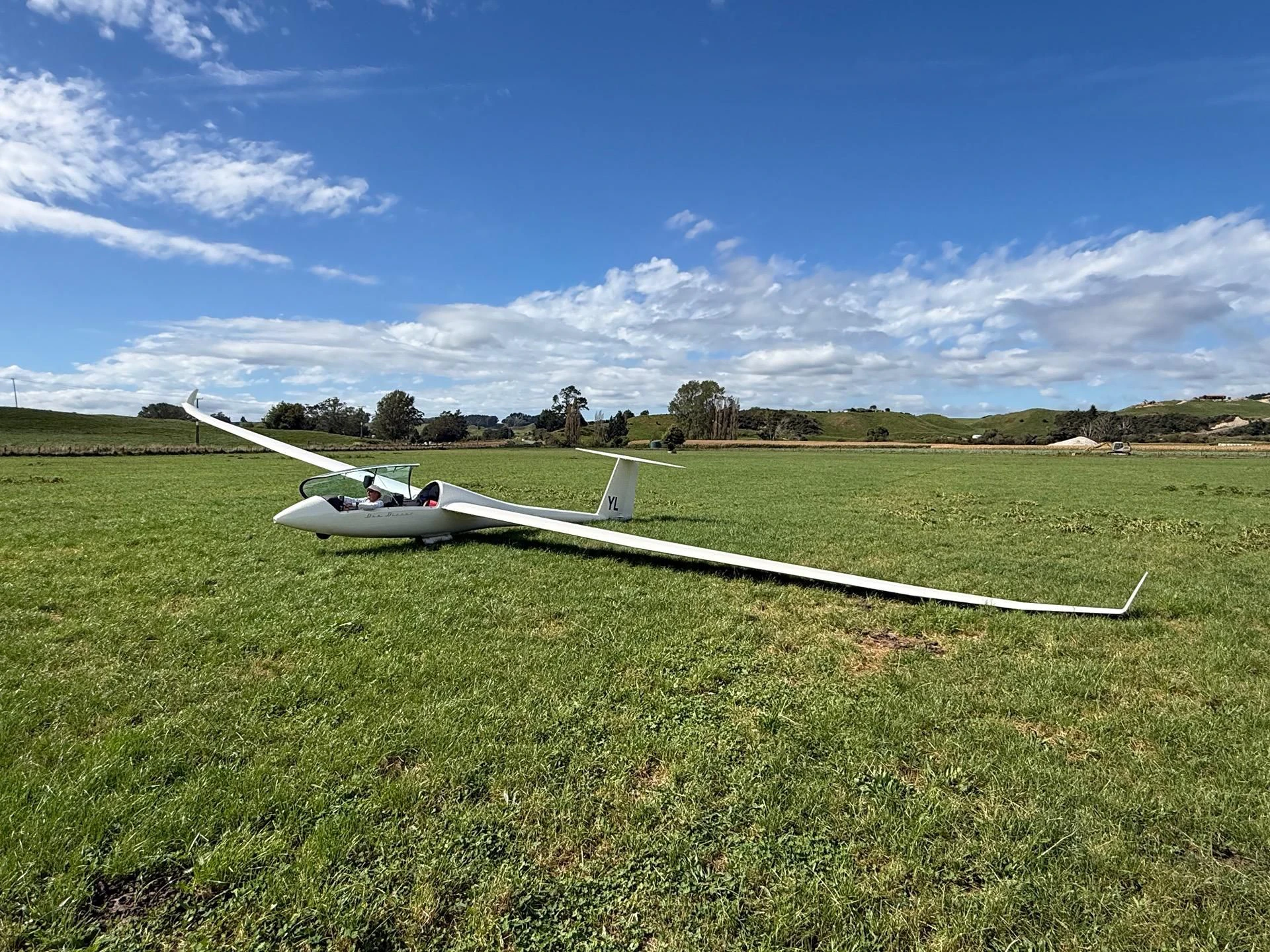
And you may find yourself in another part of the world,
And you may ask yourself "Well, how did I get here?"
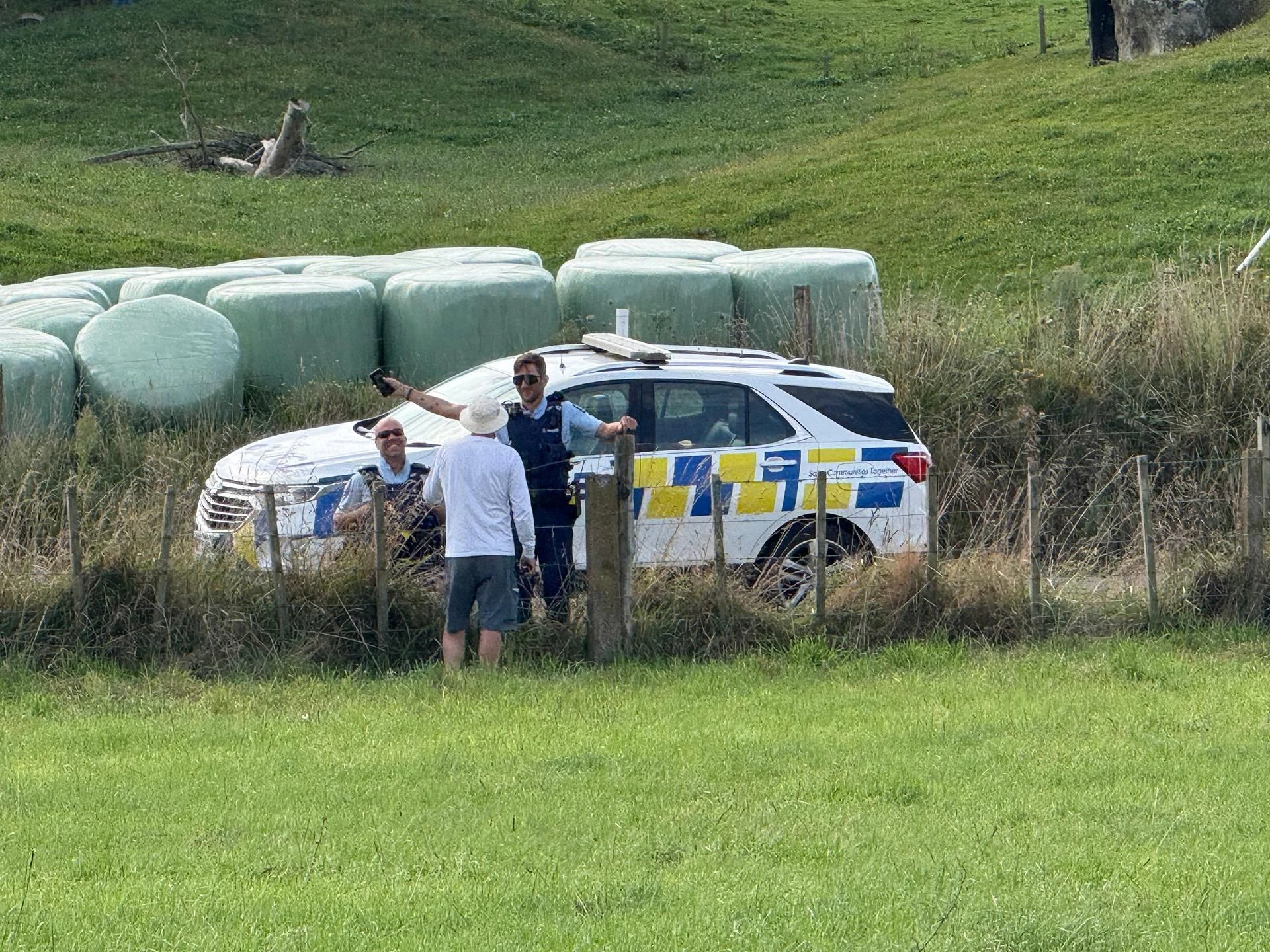
Bob Gray from Piako explains to the police how he got there.
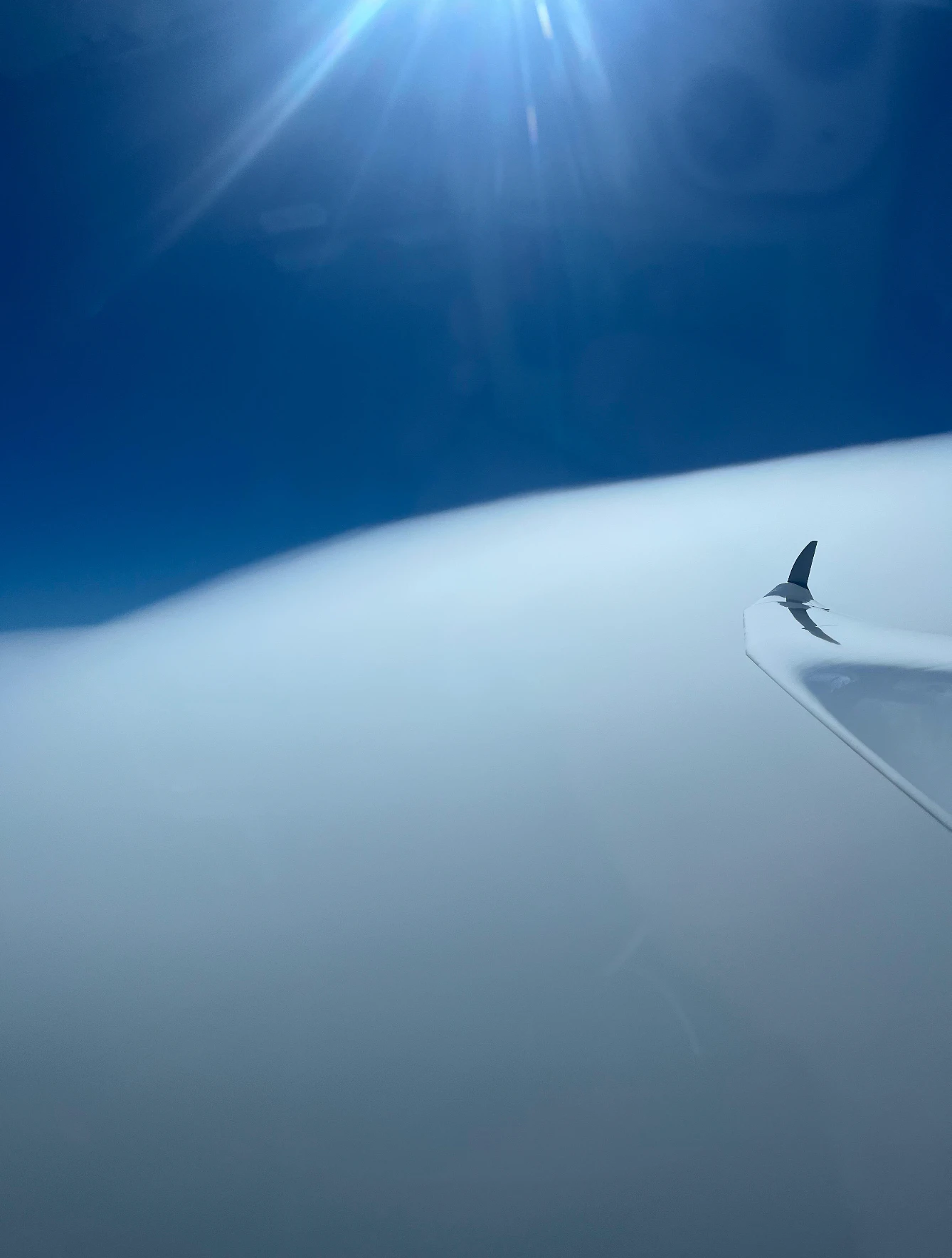
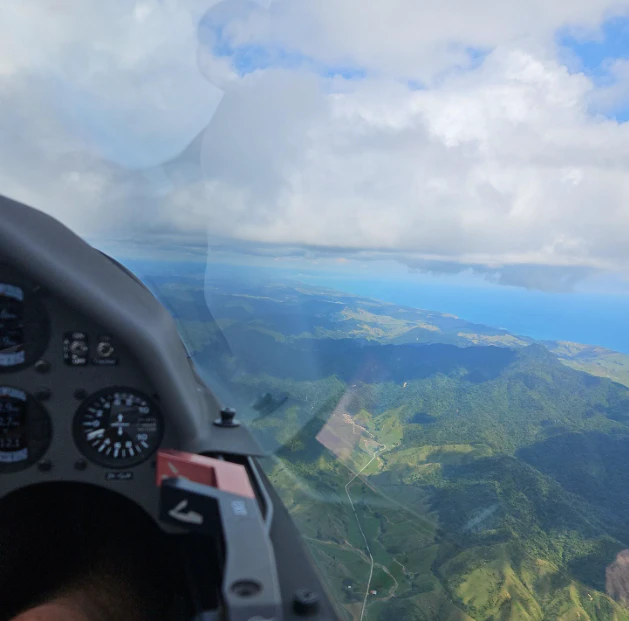
Jason Shields checks out Whareorino (the pointy hill) on the West Coast (near Te Kuiti)
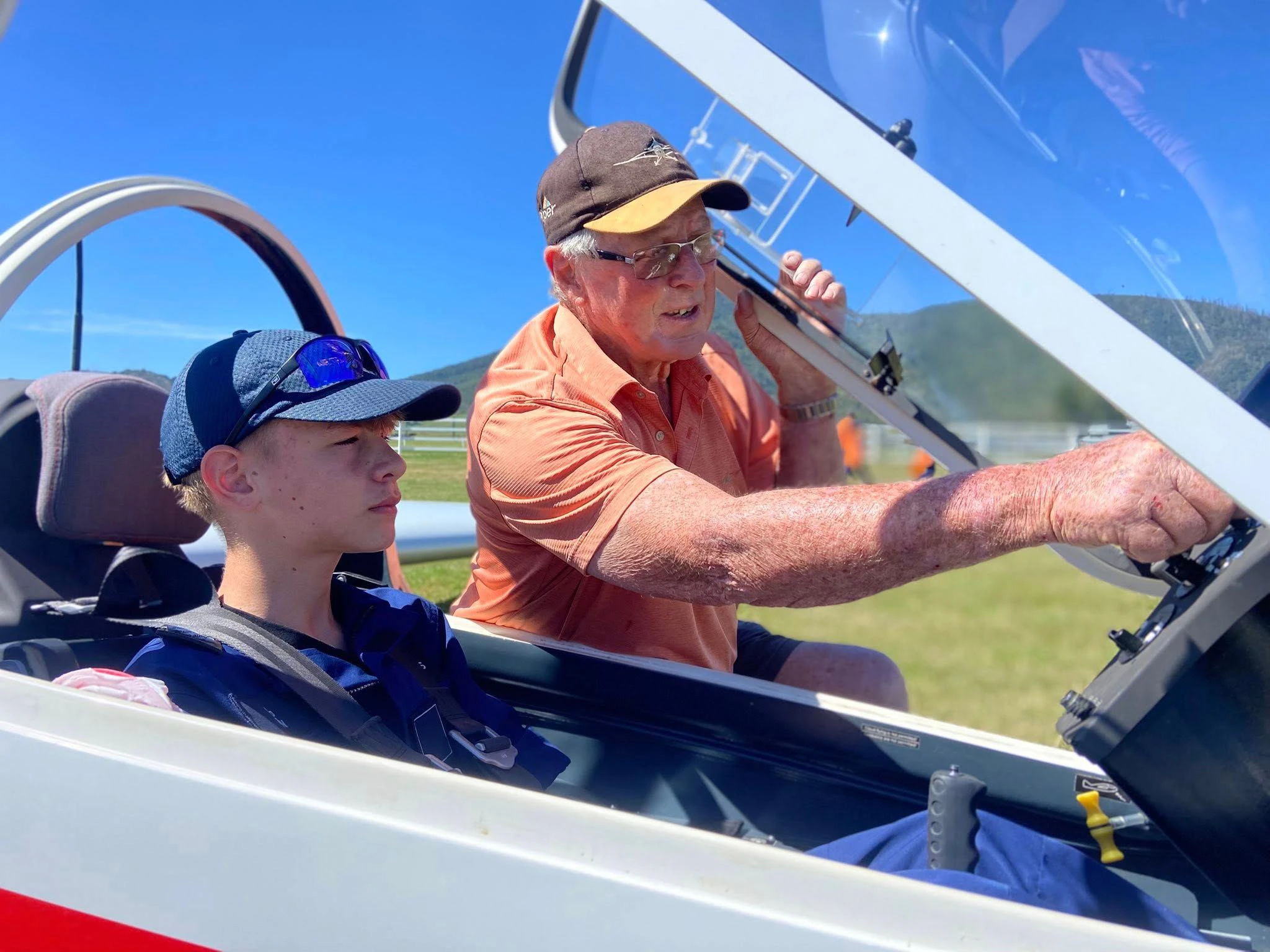
Martin Jones with age and wisdom passing on knowledge to the young and new at Taupo
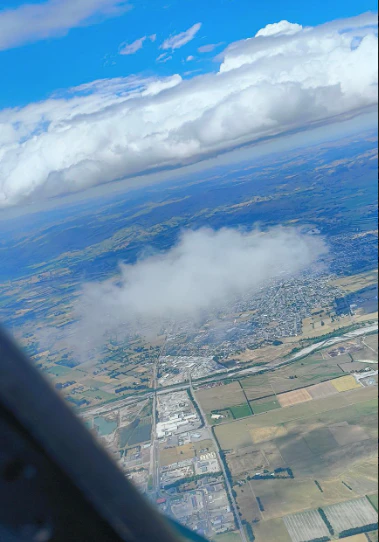
Martin Forest snaps a pic of his home town, Masteron
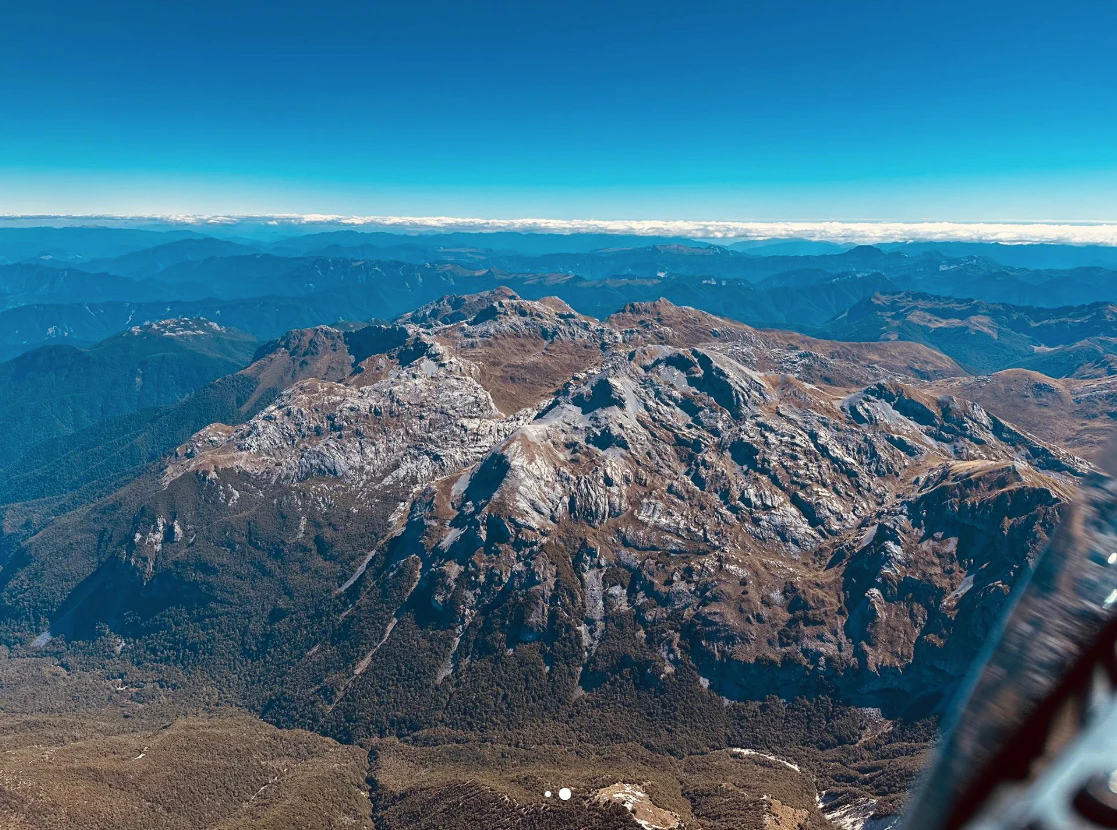
Frank Saxton enjoys the views during blue wave flying from Nelson Lakes
Sunday convergence at Canterbury
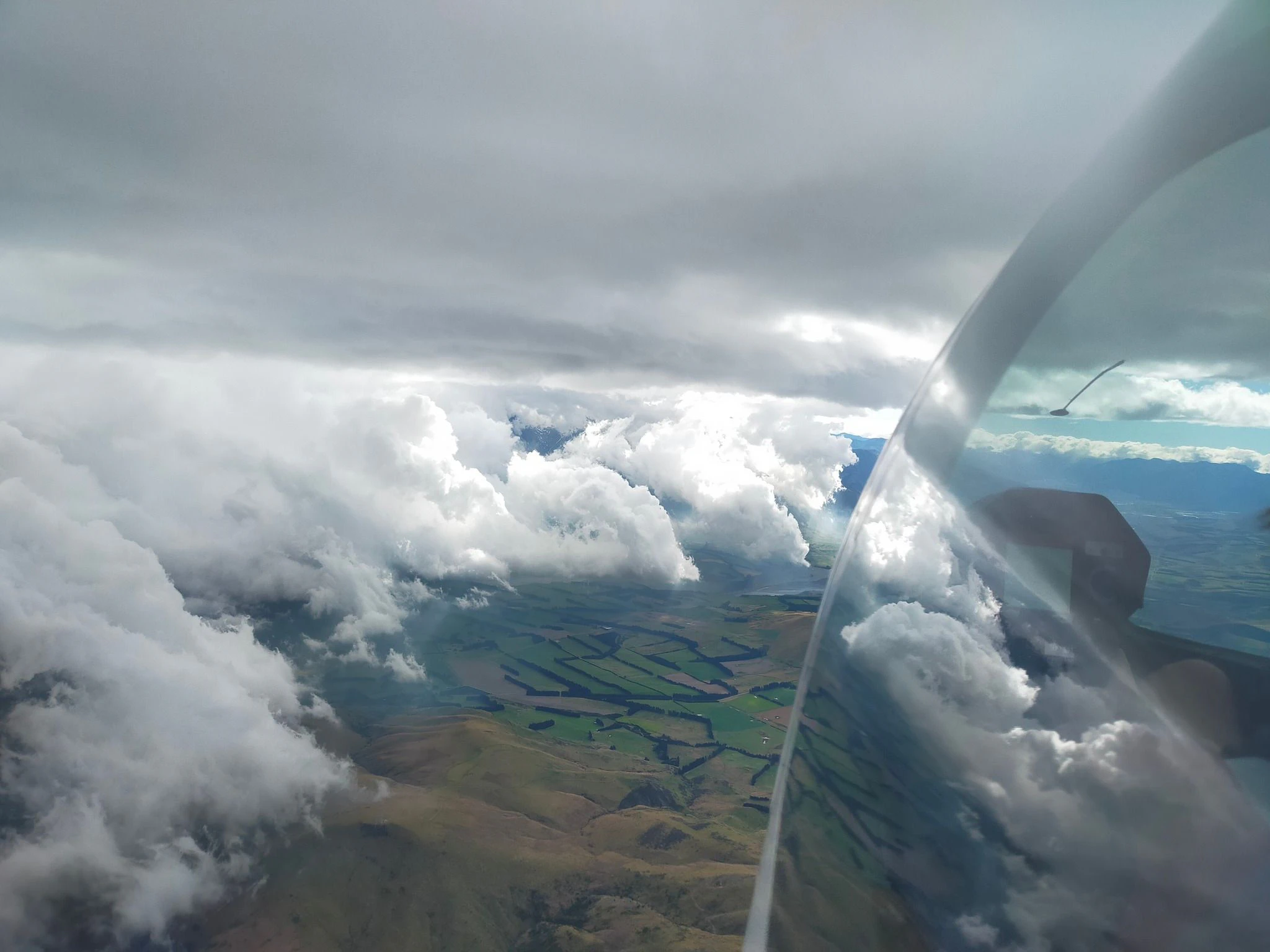
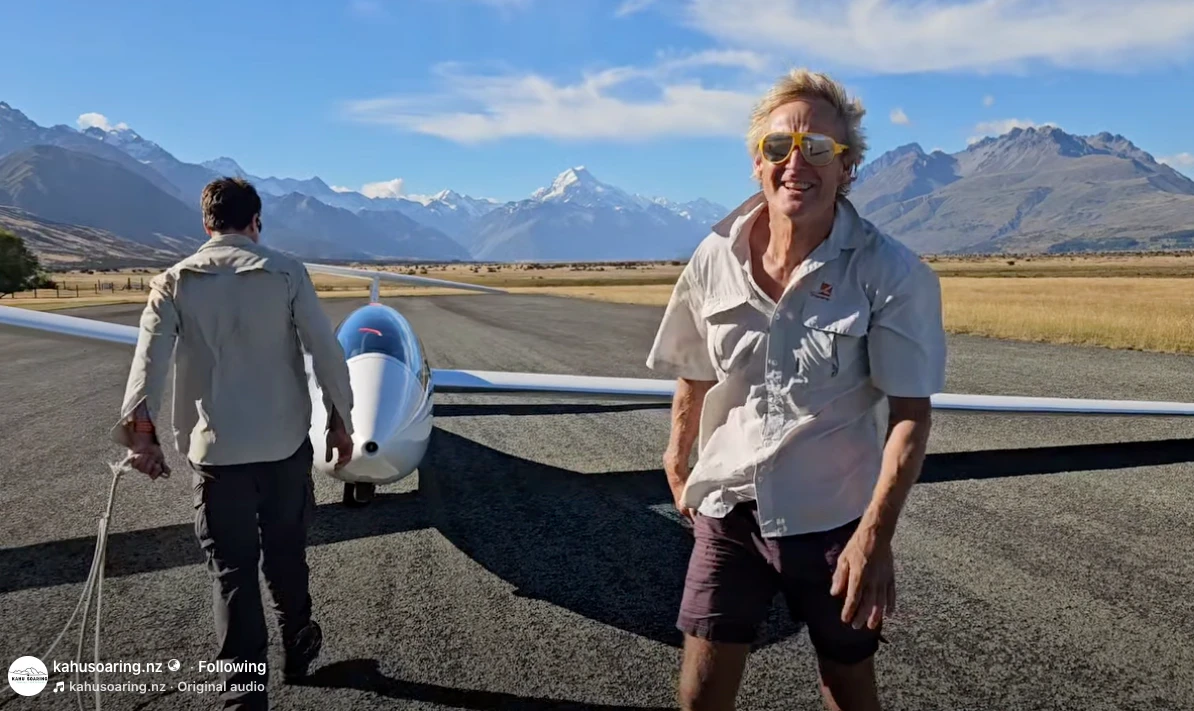
Happy customers at Kahu Soaring even when they outland at Glentanner
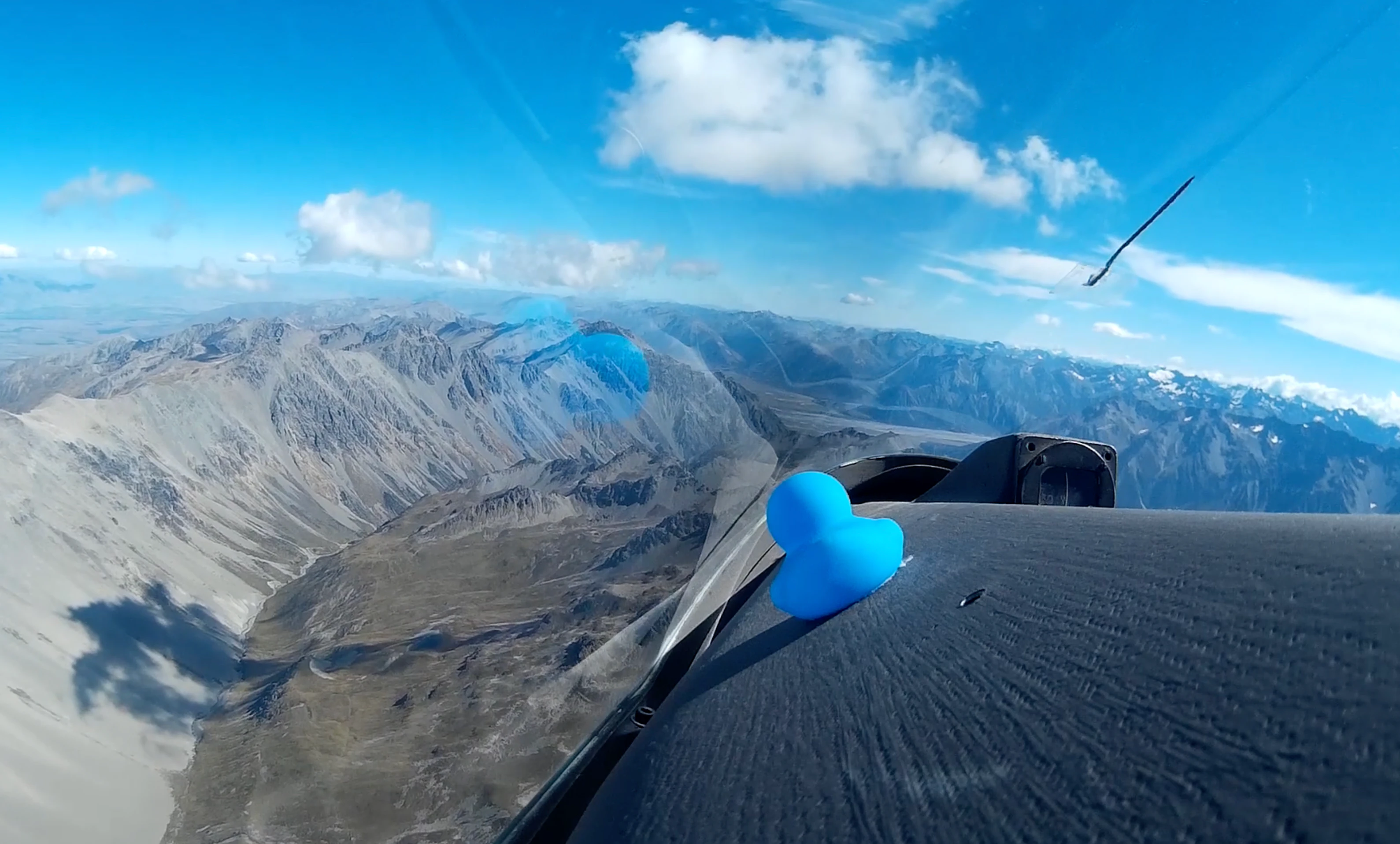
Blue Duck's love cross country flying
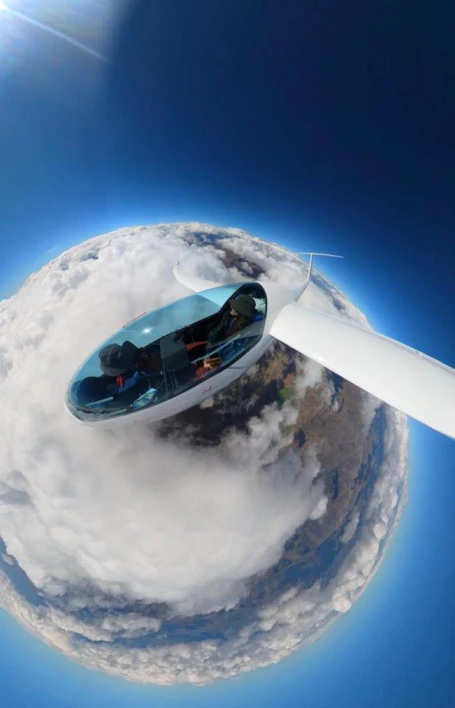
Angus Tapper's world of soaring
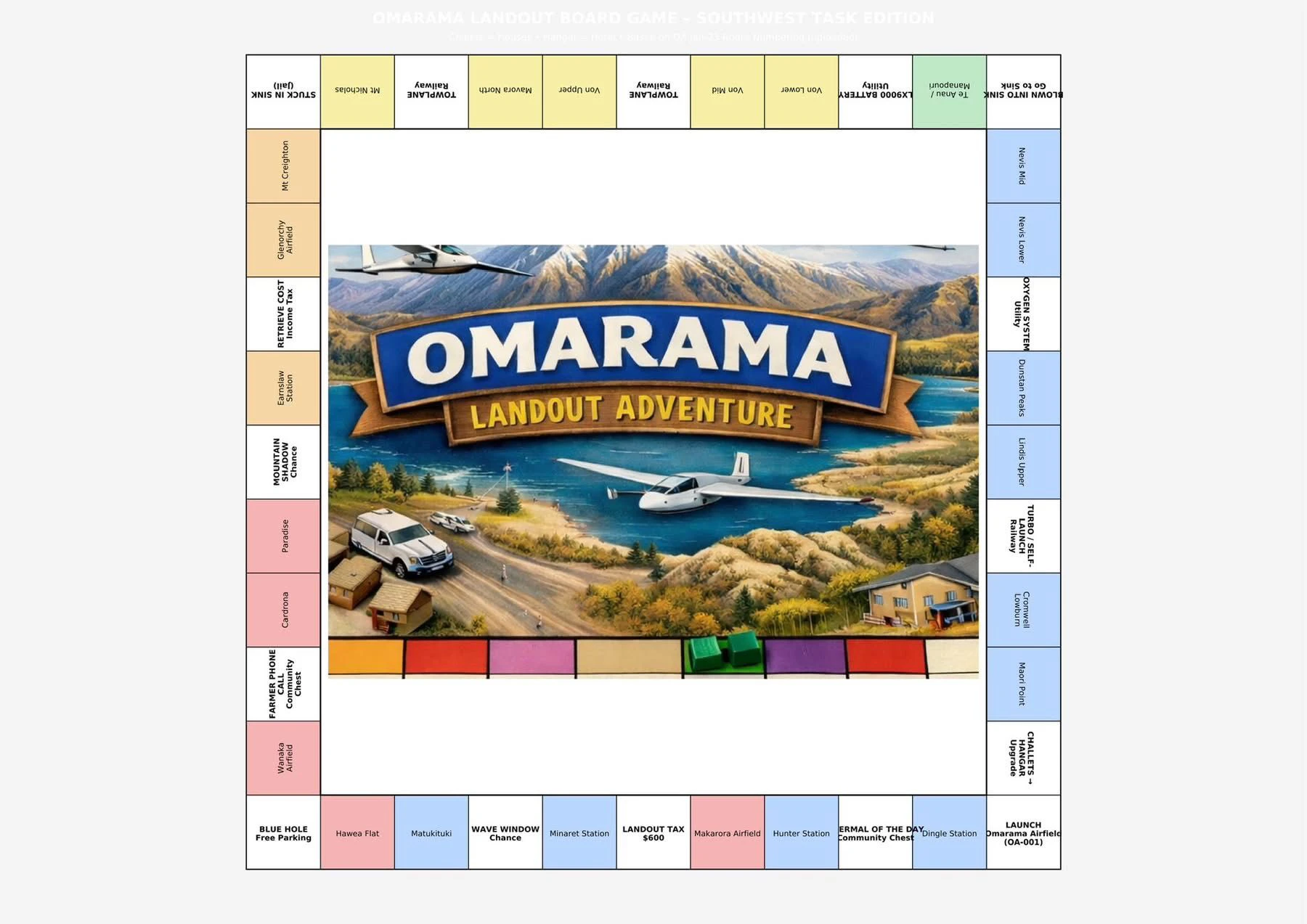
Something to do on those no fly days. Use AI to whip up a board game.
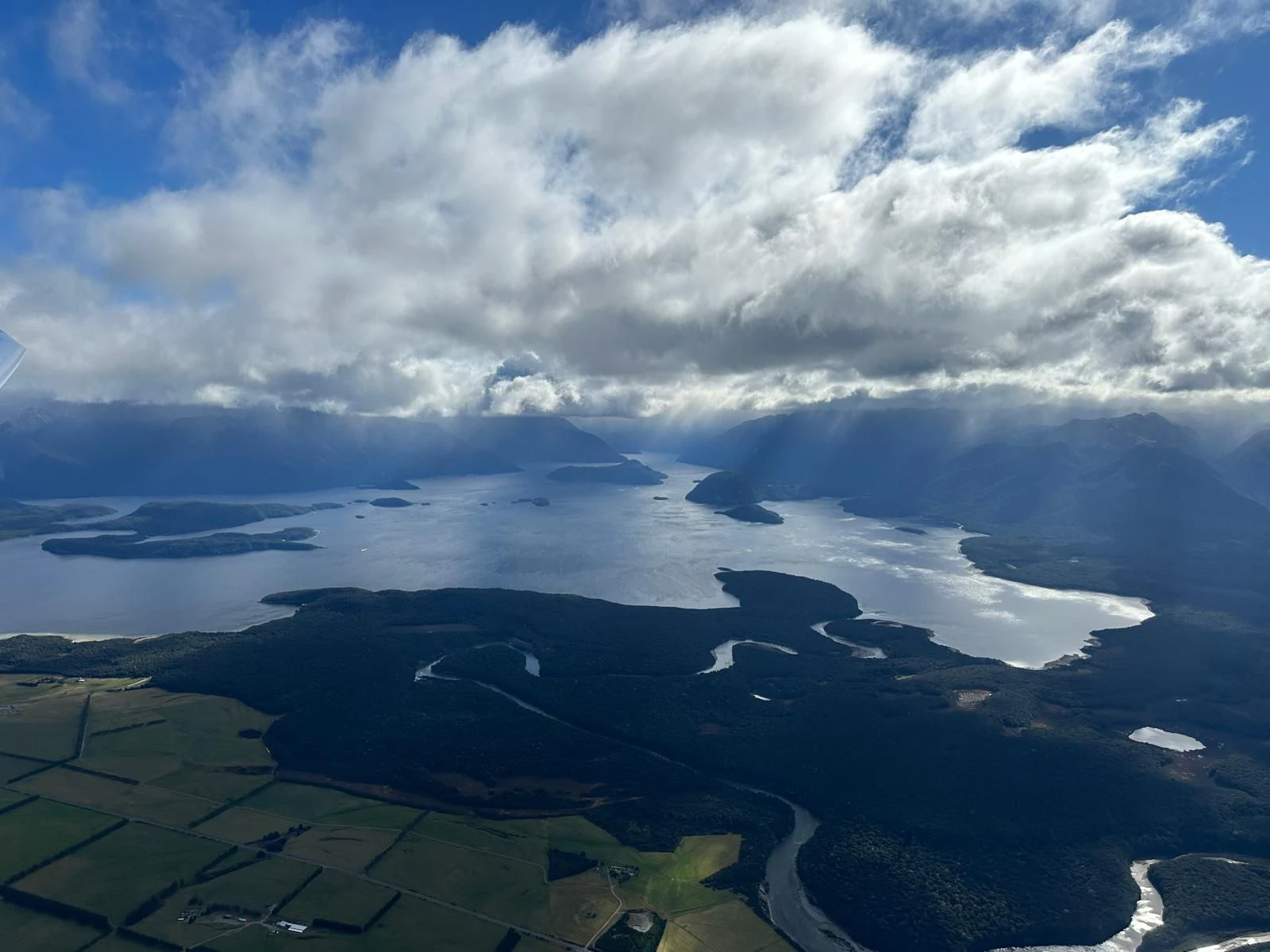
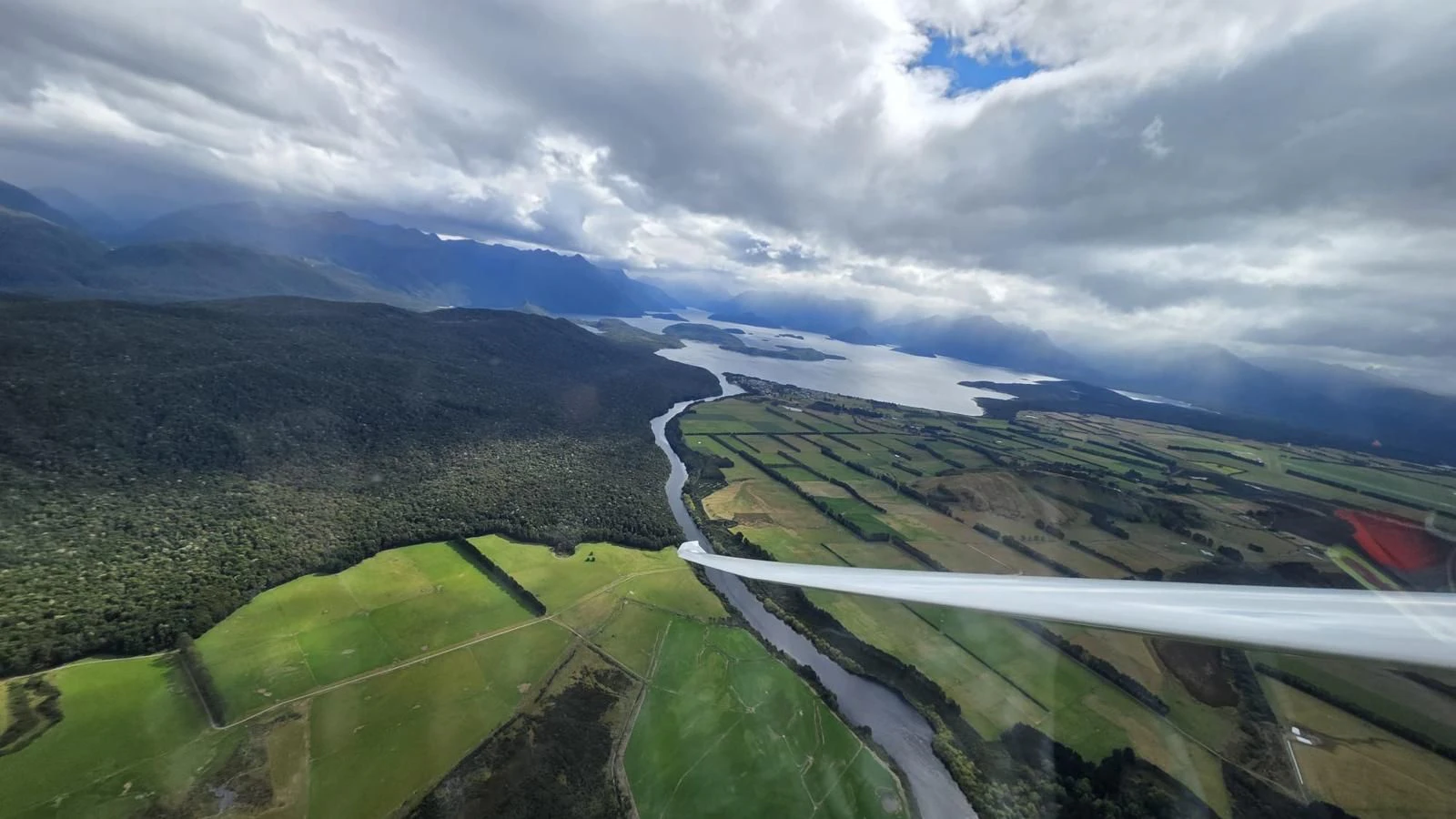
OGC camp at Lake Manapouri

Membership
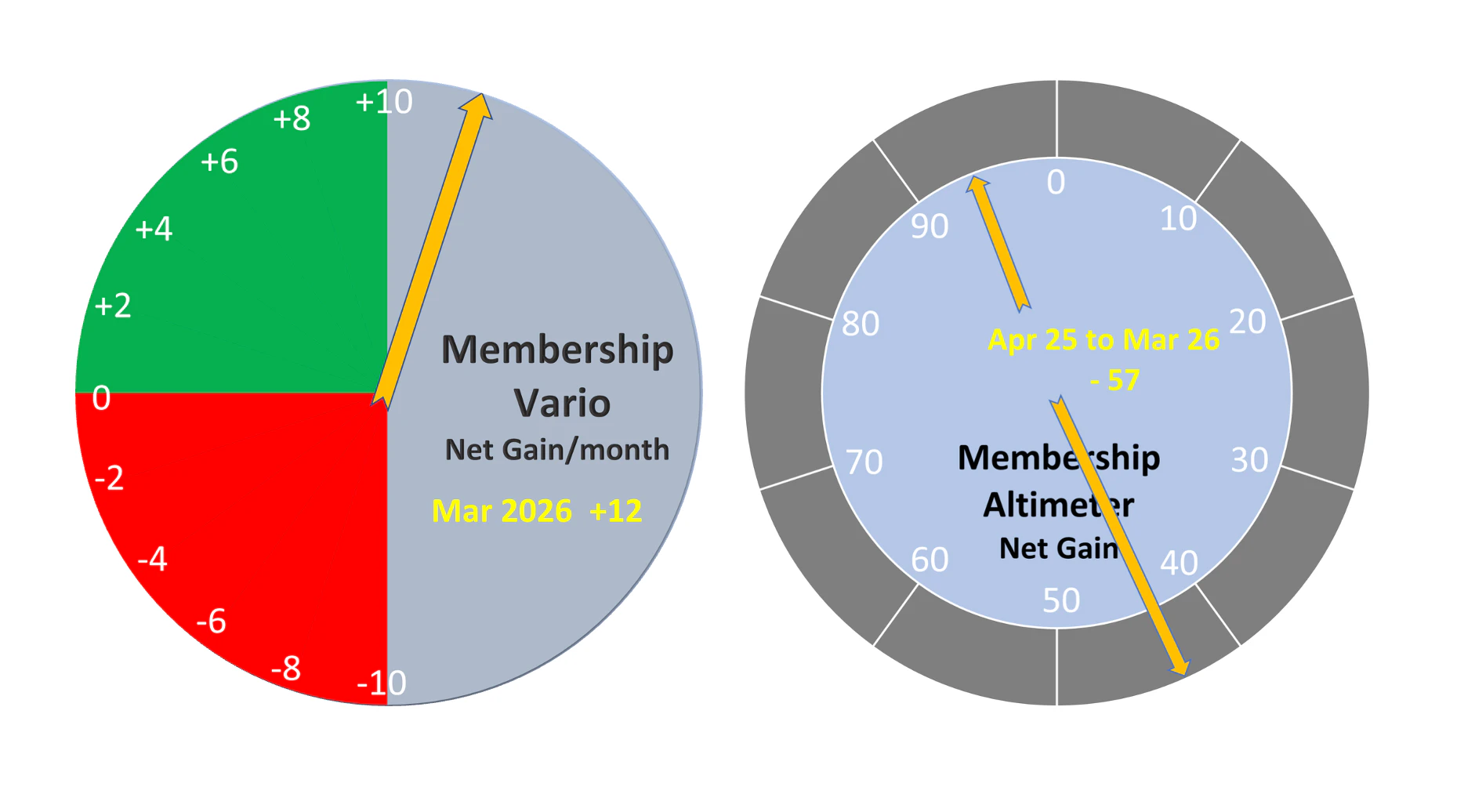
Membership Display Panel
Another good month for membership with a net gain of 12 new members. Please everybody make an effort to welcome and look after these new members in your club. This does however mark the GNZ end of financial year which is our historical annual record of whether our membership for the year has gone up or down. Unfortunately this year we are down by 57 which mostly comes down to a lack of rejoins to clubs at annual membership renewal time.
What has V.K. been up to?
March was a relatively quiet month for our club’s actual gliding activities but that’s not to say our members haven’t been busy.
The gliding Grand Prix was held over two weeks at our home base (Matamata Aerodrome) involving several of our people participating as pilots or as ground handlers etc.
One of the aspects of our club, which may not be fully recognised, is that vintage and classic gliders are not restricted to T31s, Olympia 463s Rhonlerches etc. There are many fibreglass gliders which qualify as Classic Class gliders in New Zealand, for example, Mosquitos, Libelles, Std Cirrus and so on.
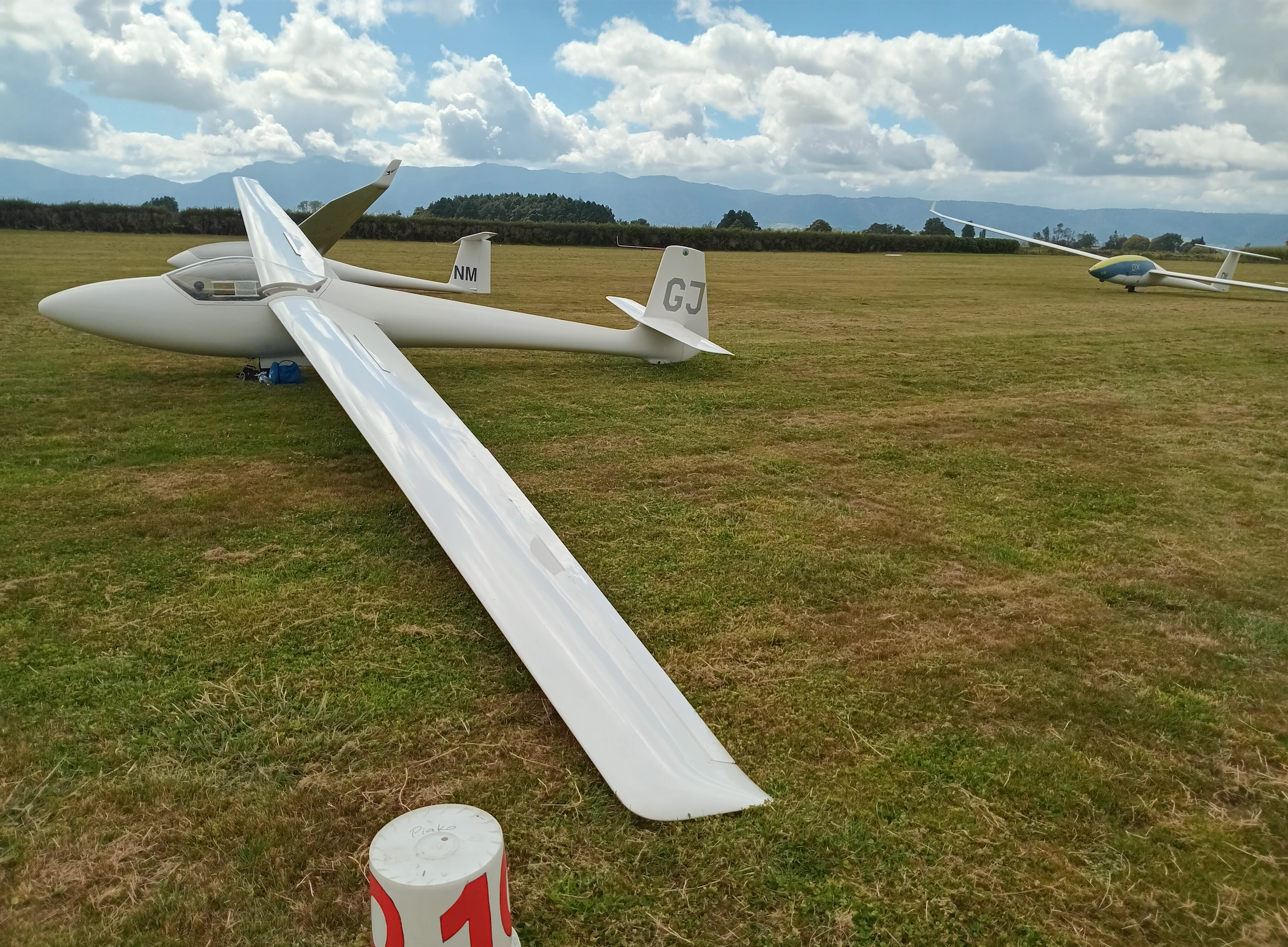
Vintage Kiwi members flew Std Libelle GGJ, Std Cirrus GHD and Mosquito GKT in our rally and also the Grand Prix.
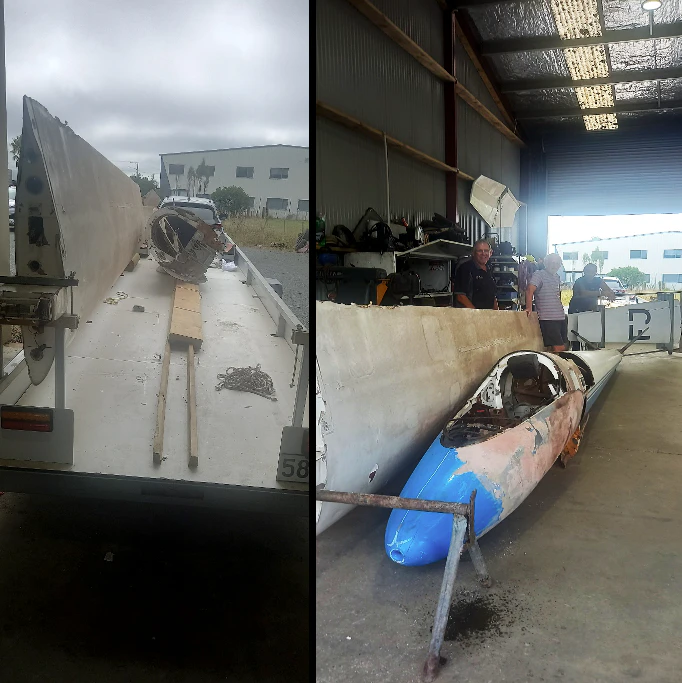
The SHK GFJ was moved a few weeks ago to Rob Shuttleworth’s well drilling business workshop in Morrinsville. He has kindly given us this space for which we are most grateful.
It had rested until this week on the Vintage Kiwi trailer in hangar 2 at Matamata Aerodrome so to keep it out of the weather.
The various bits and pieces have been removed from the trailer and laid out to form a view of the scope of work required to restore it for eventual static display in the Gisborne Aviation Museum.
We will be running regular GFJ working bees comprising the main restoration team of Bill De Renzy, Godfrey Larsen and Rob Shuttleworth in Morrinsville, from early May. Other VK members will be assisting as and when required.
The urgency to remove GFJ was to return the trailer to MatamataAerodrome in case it is required over Easter weekend when we plan flying the K-13 and K8 (GLE). The latter has just passed her annuals with flying colours.
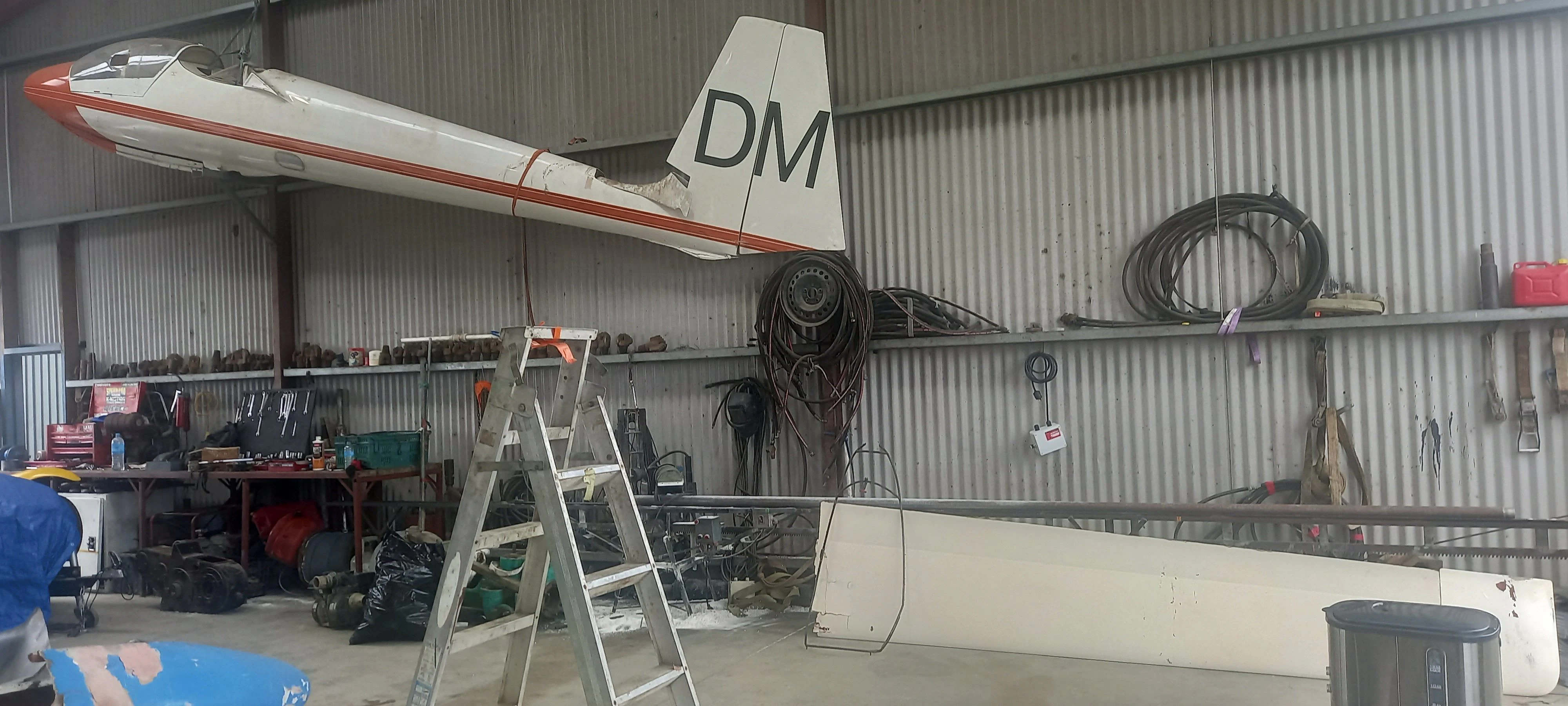
Some people adorn their walls with paintings and photographs. Others resort to creeping plants. Rob Shuttleworth however chose as his ornament a retired Skylark 4 fuselage, which is not destined to fly again. The SHK will be in great company with GDM whose previous owners, in the mid-1960s, include Ian Pryde and Hugh Schulte of Auckland.
Our committee has now adjusted its glider flying payment scheme to now also include an optional prepaid scheme similar to those conducted by other clubs. Participants would pay for eight hours flying ($480.00) in advance to fly GFX over the next 12 months. Once the eight hours have been achieved all they have to pay for is their towing. Any unused portion will serve as a donation to the club.
Lastly, our annual magazine has just been published.
Peter Layne
The K people
Rod Stuart interviews the 'K' people
If you have been keeping your eyes open while walking around the hangars recently, you will have noticed two beautiful old gliders in the process of being restored and flown. K13 India Juliette and K6 Foxtrot Mike. G Dale, Peter Turvey, Annie Laylee and Gavin Wrigley are the ‘K people’ and this is their story. I interviewed them all beside the K13 which is neatly housed in the Omarama Aviation Club hanger in a space where no power plane will fit. Some work benches, storage cabinets and tools cover an end wall. The hanger has a comfortable atmosphere of ‘work in progress’; a place of purpose, friendship and belonging. Griz explained that PT has a strange habit of finding places where old aircraft are hidden in New Zealand. Last year he became aware of a hangar in Papawai where several vintage aircraft were stored. He traveled there to check if any were salvageable, and that’s where he found IJ. It was the Upper Valley Gliding Club training two seater from Kaitoki and had an annual when it was stored!
The K people decided to buy IJ along with an old trailer for an undisclosed $um?
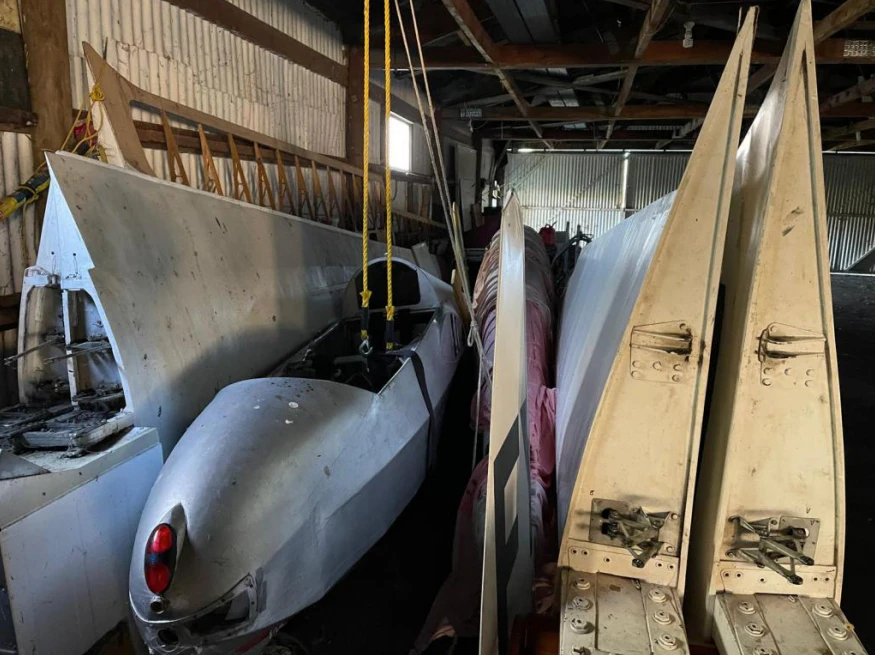
The old shed in Papawai where PT found IJ stored. The fuselage on the left is another K13 with an early version of an ‘anti-collision light’
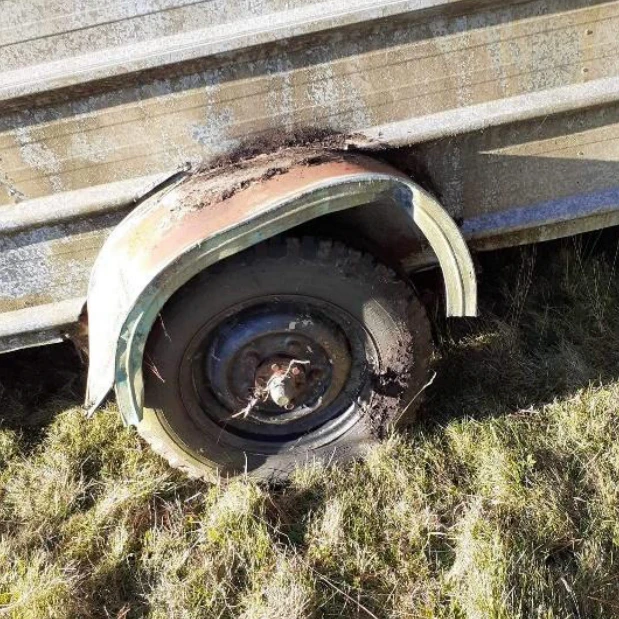
The trailer was found nestled in blackberries with flat tires, rust and a rotten floor! The president of the Upper Valley Gliding Club, Wayne Fisk, said: “I will tell you one thing straight, if you think you are driving out of here with that trailer, then you have got another think coming!” PT spent the next two days with an engineering friend proving Wayne wrong! He succeeded!
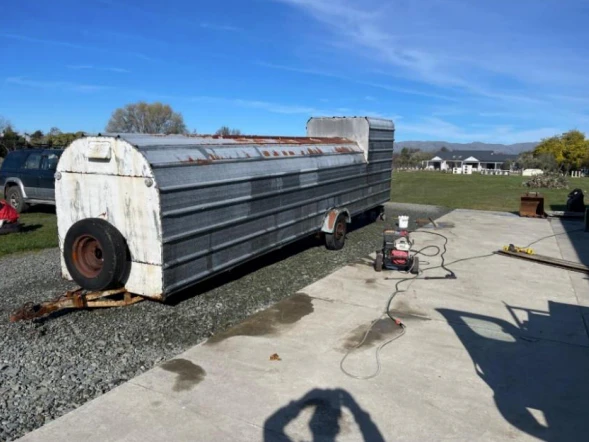
The trailer in Blenheim with IJ inside and on route to Omarama. Nice shadow selfie PT!
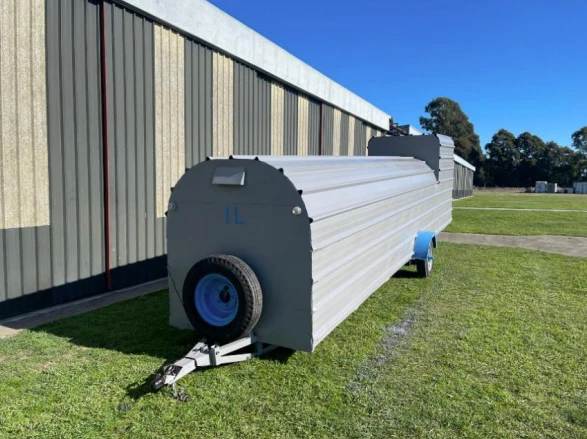
Job well done! The trailer painted in Christchurch on route to Omarama.
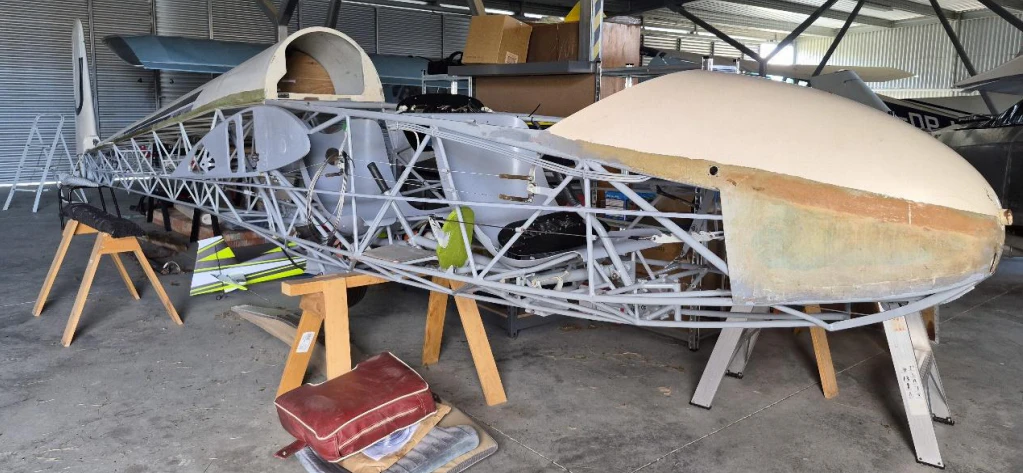
G explained that he has a current British Gliding Association (BGA) engineer certification. He decided to get his Class 3 GNZ engineer certification. Apparently these two certifications are quite similar, but with completely different sets of paperwork. Jason Shields, Chief GNZ technical officer, helped him achieve his certification during Top Gun. The BGA has created a guidance procedure for inspecting old gliders. Glue failure is the main concern with the wings, elevator and fin all made of wood and fabric covered. The BGA asks people to report any failures. Inspection holes were cut in the wings and Griz was happy to report that there was no wood rot or glue delamination. So, it is looking good for IJ to receive an annual with G now certified to give it one. The K people decided to strip back the fuselage and paint the steel frame. Many internal bits and pieces have been repaired and/or replaced. Some good parts were salvaged from the Papawai hangar. New seat belts, release hooks, skid rubbers and some instruments have been replaced. The canopy is a real mess and a spare from Papawai was broken but team K people are sure they can make a serviceable canopy fit. Covering the fuse in fabric will be fun!
India Juliette twin seater K13. Fully restored with freshly painted fuselage ready for fabric.
K6 Foxtrot Mike was found on the GNZ classified
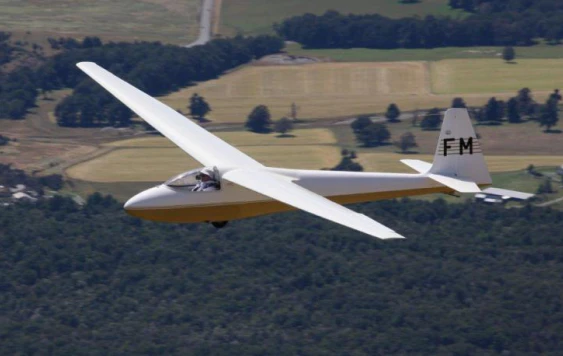
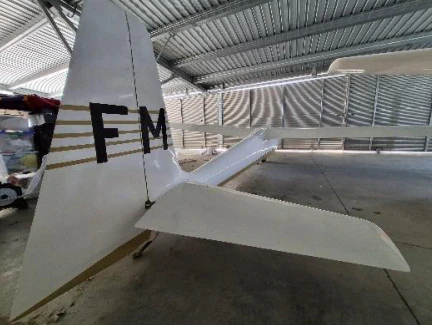
An ex-airline pilot and glider pilot, Ron McCaulay, was selling it from a hangar in Wanaka. FM had been refurbished by Mike Strathern in Nelson. G has known Mike since he was a teenager. First registered in 1966 FM is a good looker and in excellent condition. The price was described as very reasonable. G and PT made the purchase. FM’s trailer is in need of a lot of work and PT is onto that one. The glider will need a repaint some time in the future and they want to tidy up the instruments but for now they are flying her!
G about to go ‘back to the future’ in K6 FM.
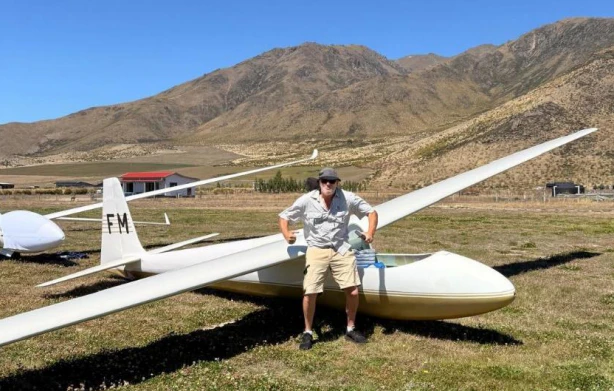
First Test flights by G Dale: G’s description of his first flights in the newly purchased K6 redefines enthusiastic! “In my first flight I completely got my arse kicked!” I was in turbulent rotor behind Magic Mountain bouncing around like crazy. This thing is so light and agile you do not need instruments. The feedback is excellent and it tells you everything you need to know. There is always a real risk of landing out which keeps you on the ball! I love it!
The K6 has an all flying tail with a spring feel, so you must keep positive control of the pitch.
G earns his first Blue Duck in the K6! G completed the 170km FAI task on Whioglide, Feb 24th, 2026. The K6 is perfect for tasks like this. It is great to see the ‘blue duck’ initiative gaining popularity. And now Phil has added FAI tasks there is something for everyone. High performance flying in low performance gliders. Perfect!
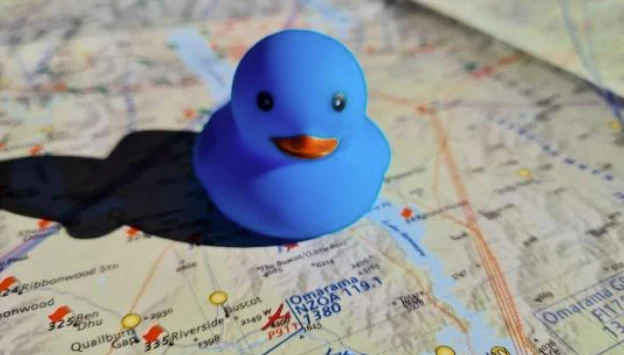
G’s Whio Glide success on WeGlide: https://www.weglide.org/flight/1007794
Why the K People took on restoring these old gliders. It’s a K13 and a K6! What do you mean?! These sorts of aircraft always generate interesting and funny stories. It was such an adventure collecting them, learning about them and now working on them and making them airworthy. Griz wanted a project in Omarama, and this was a perfect fit. He thinks they may be able to teach new pilots in IJ. G wants to save these old gliders and stop them being burned. PT enjoys the people involved and the adventures of finding these old gliders. He had his first solo and earnt his silver C in a K13 and wants to fly one again. Annie is looking forward to flying a K13 again too! They are all clearly enjoying the friendship and sense of belonging projects like this generate. Well done K People!
G doing his preflight checks before chasing blue ducks in the sky!
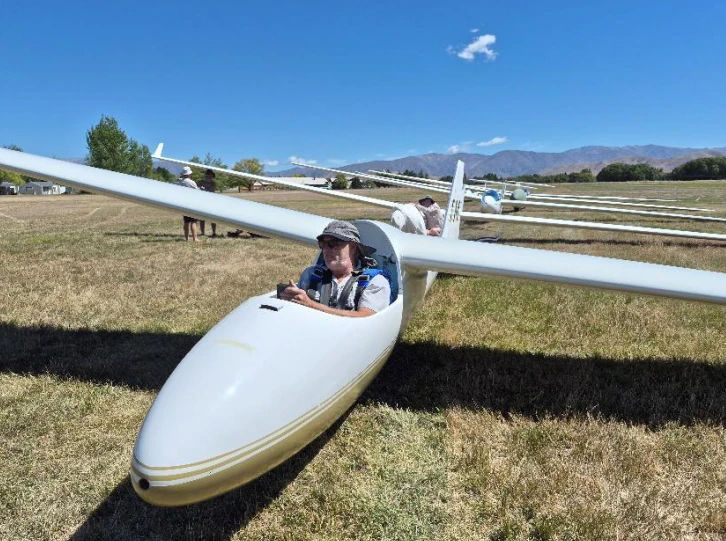
There are other classic gliders available in New Zealand. G is flying a K6 and having a ball! The K People are more than happy to give advice and help anyone thinking about restoring and flying classic gliders. G is challenging others to join in the fun. “Let’s have more of it!”
UNACCEPTABLE AND UNCOMFORTABLE BEHAVIOURS ON THE AIRFIELD
A post by Juliet Steinle
Following on from last months article by Vern Grant 'Unacceptable and uncomfortable behaviours on the airfield' I thought this Insta post by Juliet Steinle who recently visited New Zealand was more than relevant.
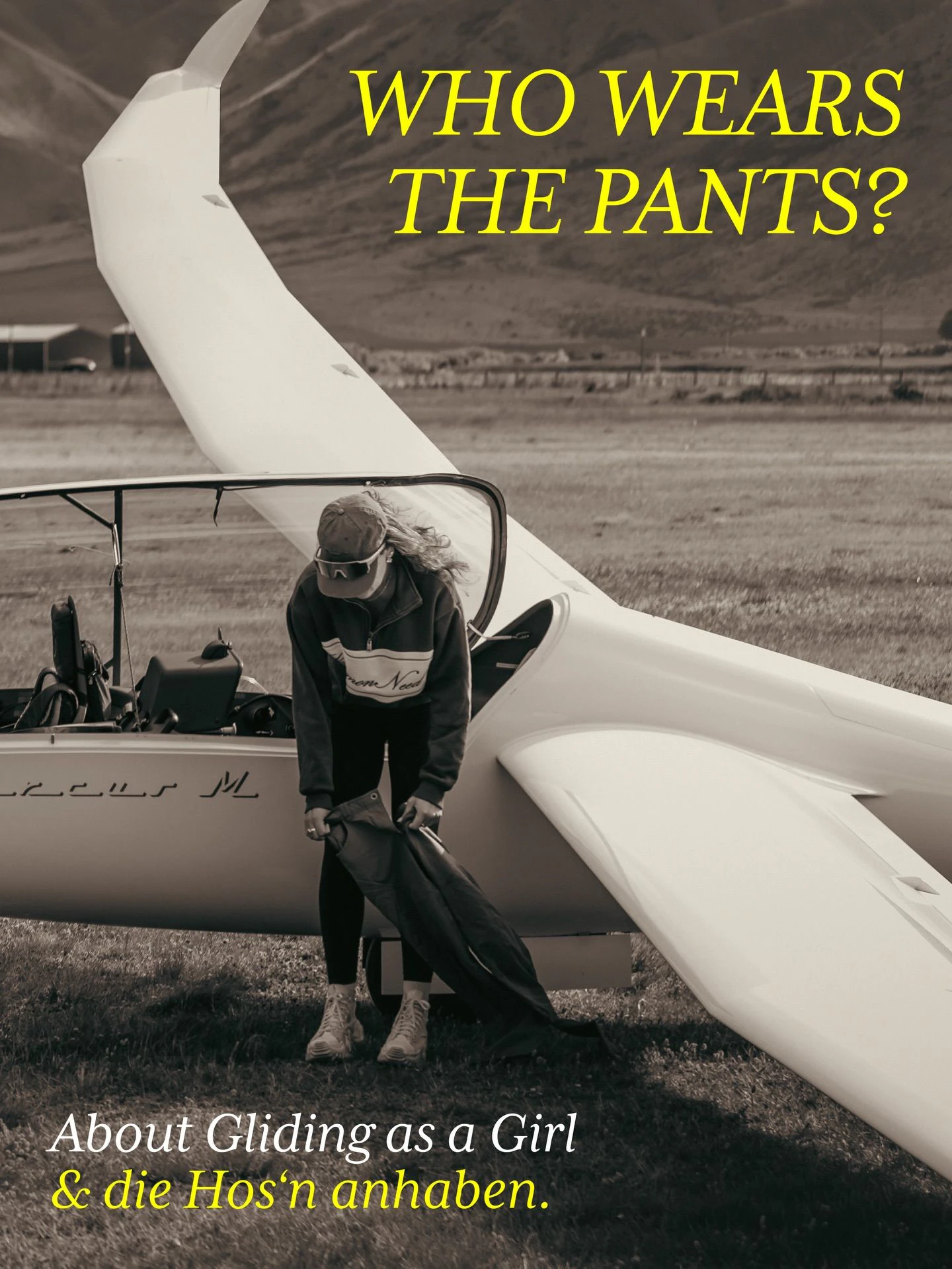

Airspeed! Airspeed! Airspeed!
Outlanding
Late paddock selection, low level, under pressure, the illusion of speed, over ruddering a turn...
Here is the third in our series of safety videos created with support from the NZAF and the CAA.
Since the first gliding fatality in New Zealand in 1961, records indicate that approximately 70% of all our fatalities involve the pilot in command being for whatever reason, too low and too slow, leading to some kind of stall / spin, impact into terrain. These accidents have occurred after aerotow upsets, winch launch upsets, low level thermalling, ridge flying, outlandings, home field landings and final glides. It is likely, that in almost all of these cases if the pilot in command had maintained a safe speed near the ground then most of them would have lived to tell the tale.
Incident Reports
Incident reports for February - March 2026
- ground loop and damaged aileron - landed with wrong flap setting - didn't read Manual
- heavy landing in 2-seater - hang glider pilot pushed stick forward intending to flare
- pilot unable to access water bottle in flight - confusing behaviour after outlanding
- undercarriage collapsed on aerotow takeoff after directional control was lost
- airspace breach on cross-country flight while attempting to avoid cloud and rain
- aerotow launch deviated from ATC clearance without communicating intentions (2x)
- front seat occupant - glasses on top of head - glasses flew off during a winch launch
- airspace breach prior to contest start - pilot was concentrating on gaining height
You can access all back copies of the Ops Team Talking newsletters.
These have been placed on the Gliding NZ web site under News > Safety Bulletins A link to the GNZ accident & incident reporting form (OPS 10) can be found in the very top menu bar on the GNZ homepage, just to the right of the 'Classified Adverts'. You can now fill this form out on your phone at the airfield, so no excuses.

OPS 10 link: http://gliding.co.nz/wp-content/uploads/2019/06/OPS10v7f.pdf
In the case of an accident, asap please phone: 0508 ACCIDENT (0508 222 433)
NOTE: The OPS 10 form has been renamed and amended to include reporting of accidents as well as incidents – previously it was intended for incidents only.
(A CA005 still needs to be sent to CAA for accidents, but the OPS Team doesn’t require a copy of that now.) Consequential changes have been made to the MOAP and AC 2-08.
GNZ Classifieds
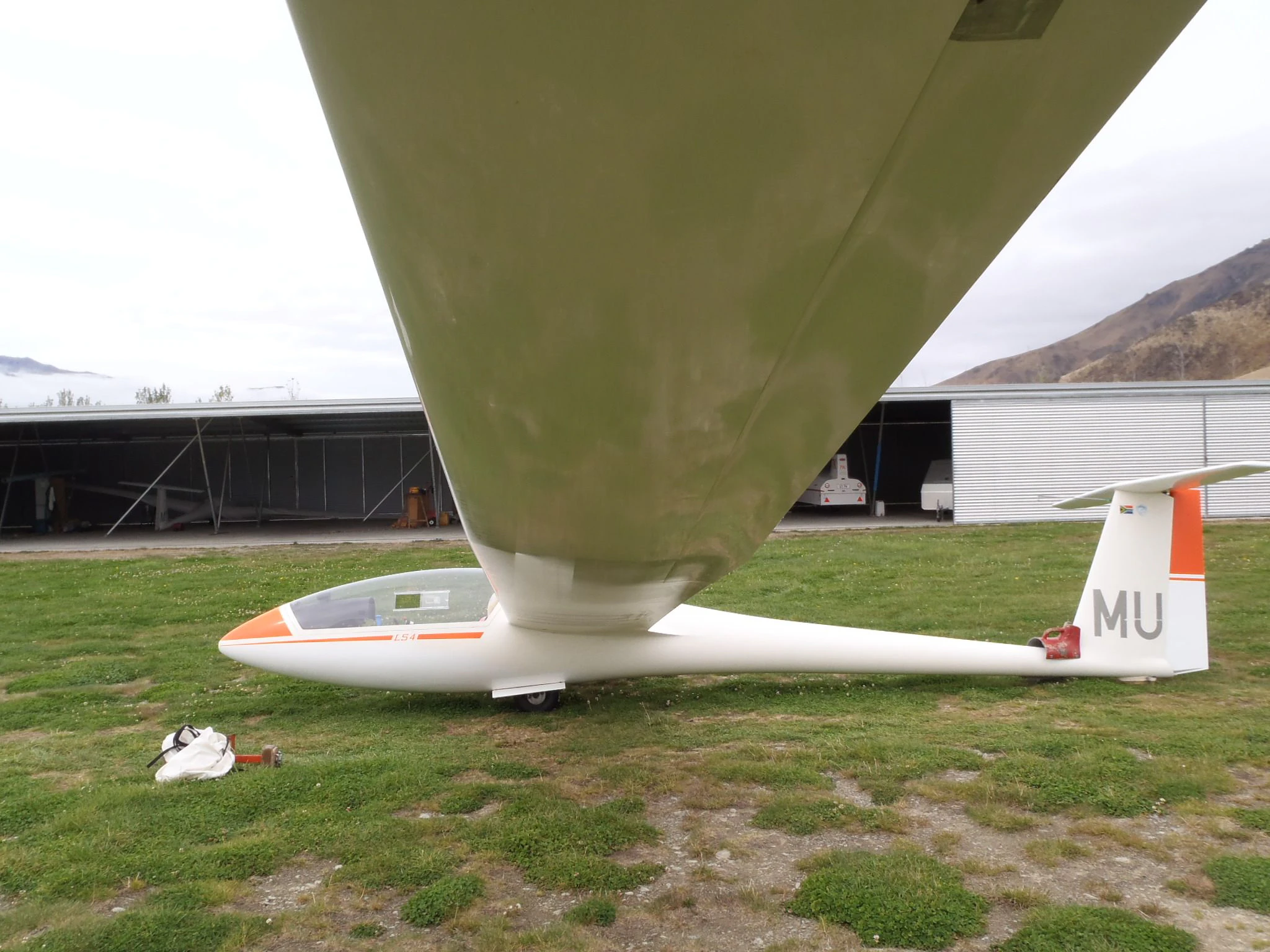
LS4 - a great club class glider
The South Canterbury Gliding Club is offering for sale our LS 4 Sailplane GMU. Annual checks recently completed. Tidy Schroeder? trailer and recent new S100 vario/flarm in the panel. , ballast filling gear, cotton covers, and tow out gear. Currently 3614 hours.
Top surface of the wings and Elevator have been refinished. The balance of the condition is fair and would reward someone with the time to give it tidy up. Price reflects this condition.
$40,000
Contact Information
Contact: Paul Marshall
Phone: 021 331 838
For more gliders and other gliding stuff you can check out the GNZ classifieds at the link below.
https://gliding.co.nz/classifieds/
And for those that need that competitive edge an exciting upgrade is now available for Pure Track users.
Thanks for reading
All contributions, pics, videos and opinions welcome
EMAIL: president@gliding.co.nz