GNZ Newsletter March 2026
From the president
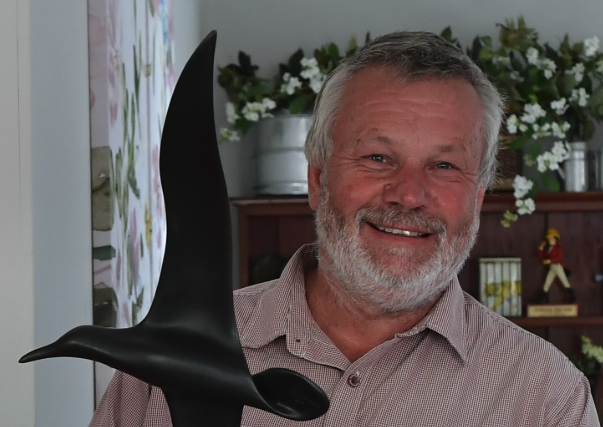
Welcome to March, 2026
February has been a fantastically busy month for gliding in NZ as you will see by this jam packed edition of the newsletter.
Competitions, vintage rallies, 1,000km flights, a diamond goal flight, scary wave flights, landouts, retrieves, dinners and a ton of club flying.
It's been all go and great fun.
March does signal the end of summer but not the end of the soaring season.
There is still plenty of daylight and balmy weather days to make the most of this nice time of year.
Enjoy!
Nigel Davy
GNZ President
Congratulations
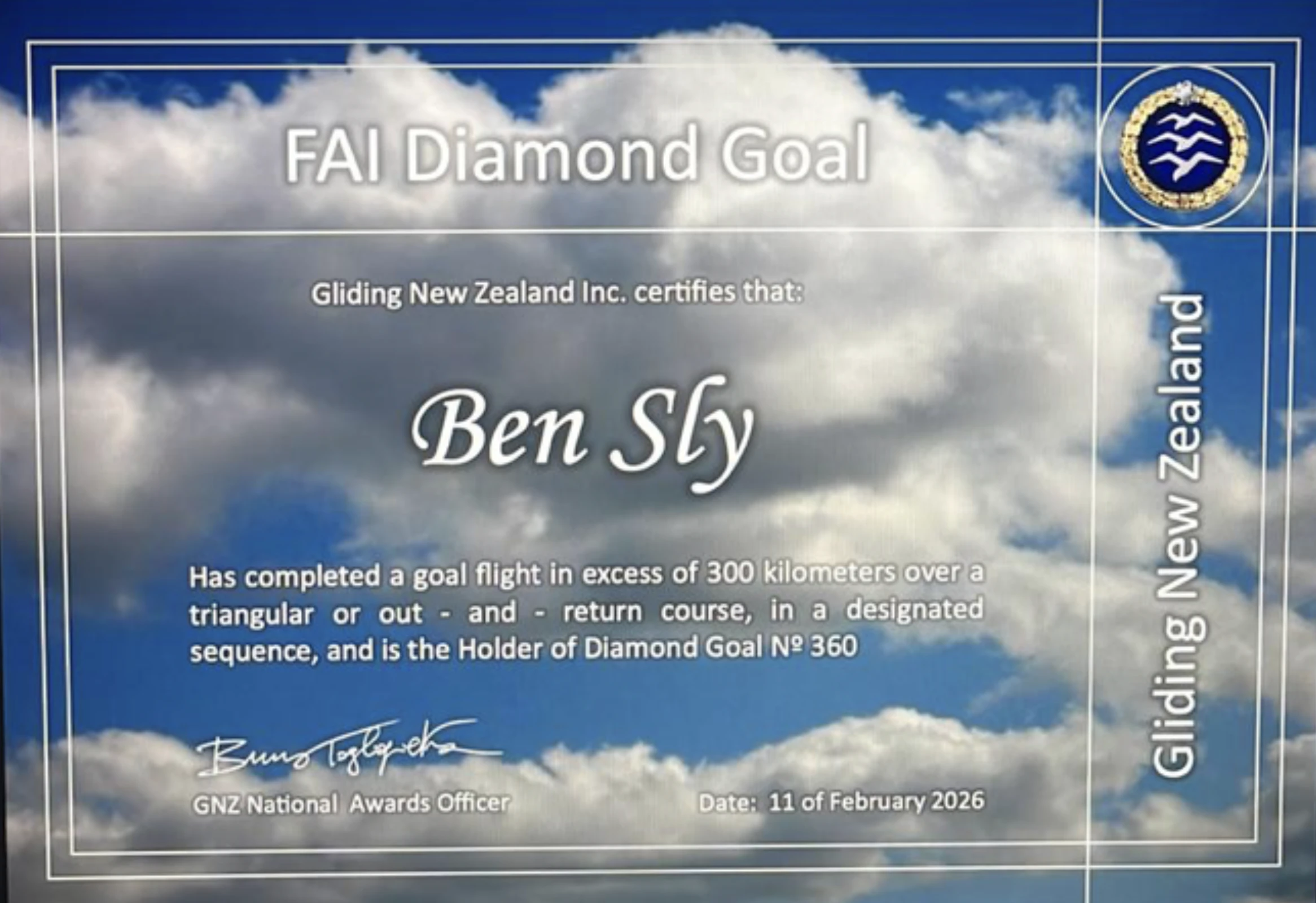
BEN SLY
300km Diamond Goal complete on attempt no.5 at age 16
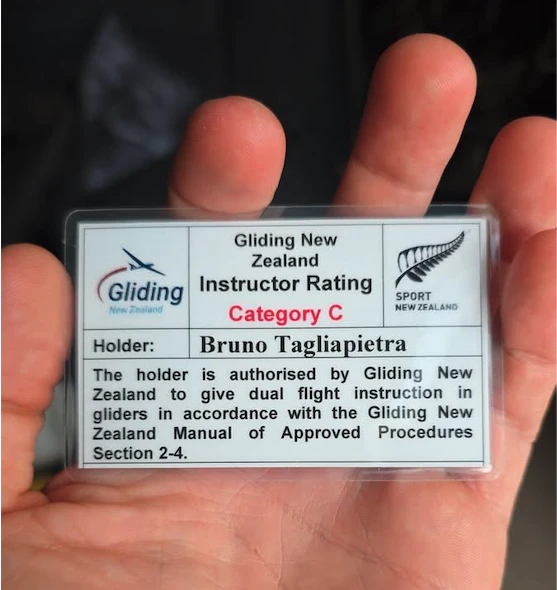
BRUNO TAGLIAPIETRA
C Category Instructor Rating done.
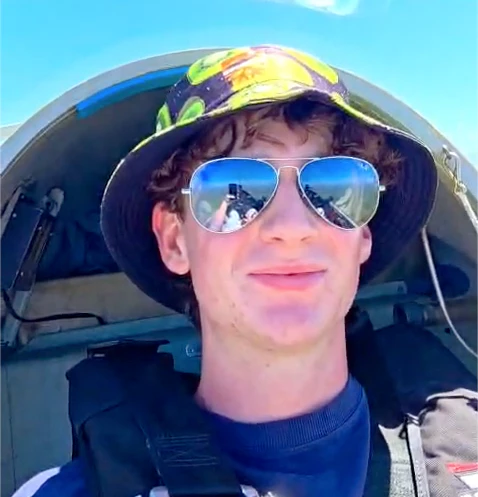
BEN GAMBARO
After many hours work helping engineer Derry, Ben flies his Cirrus ZK-GHD for the first time.
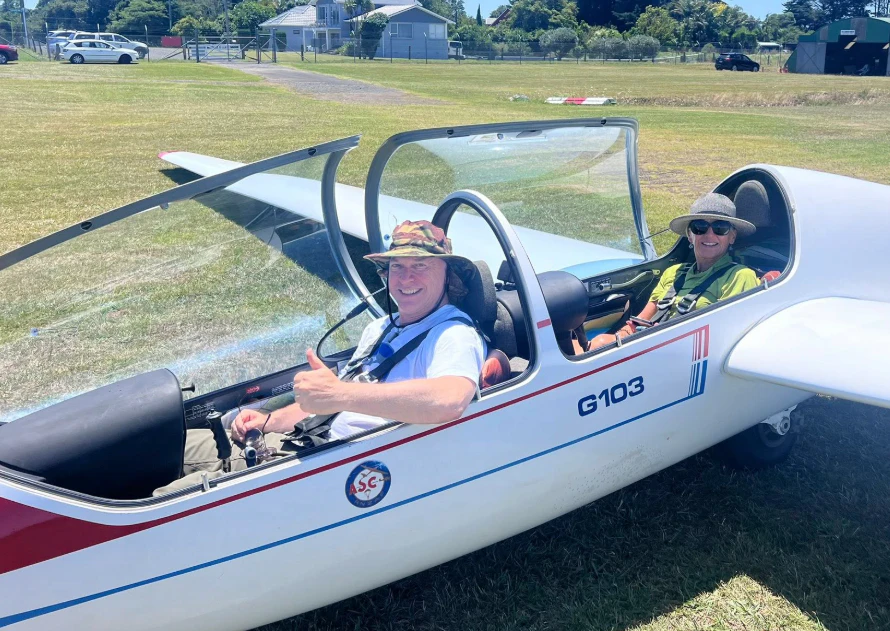
PHILIP SCARBOROUGH
Passenger Rated.
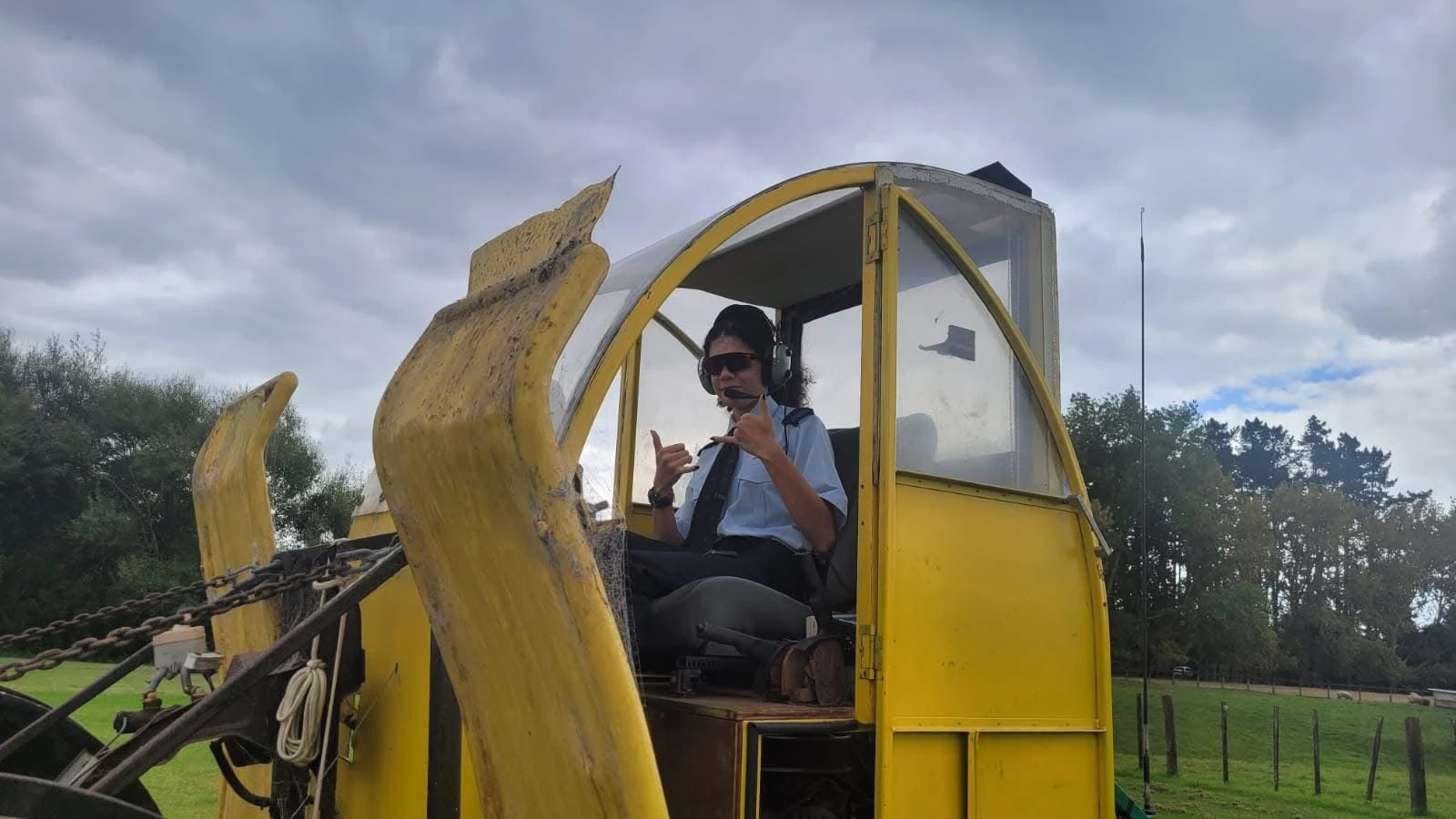
ANGELIE MADSEN
Winch driver training complete.
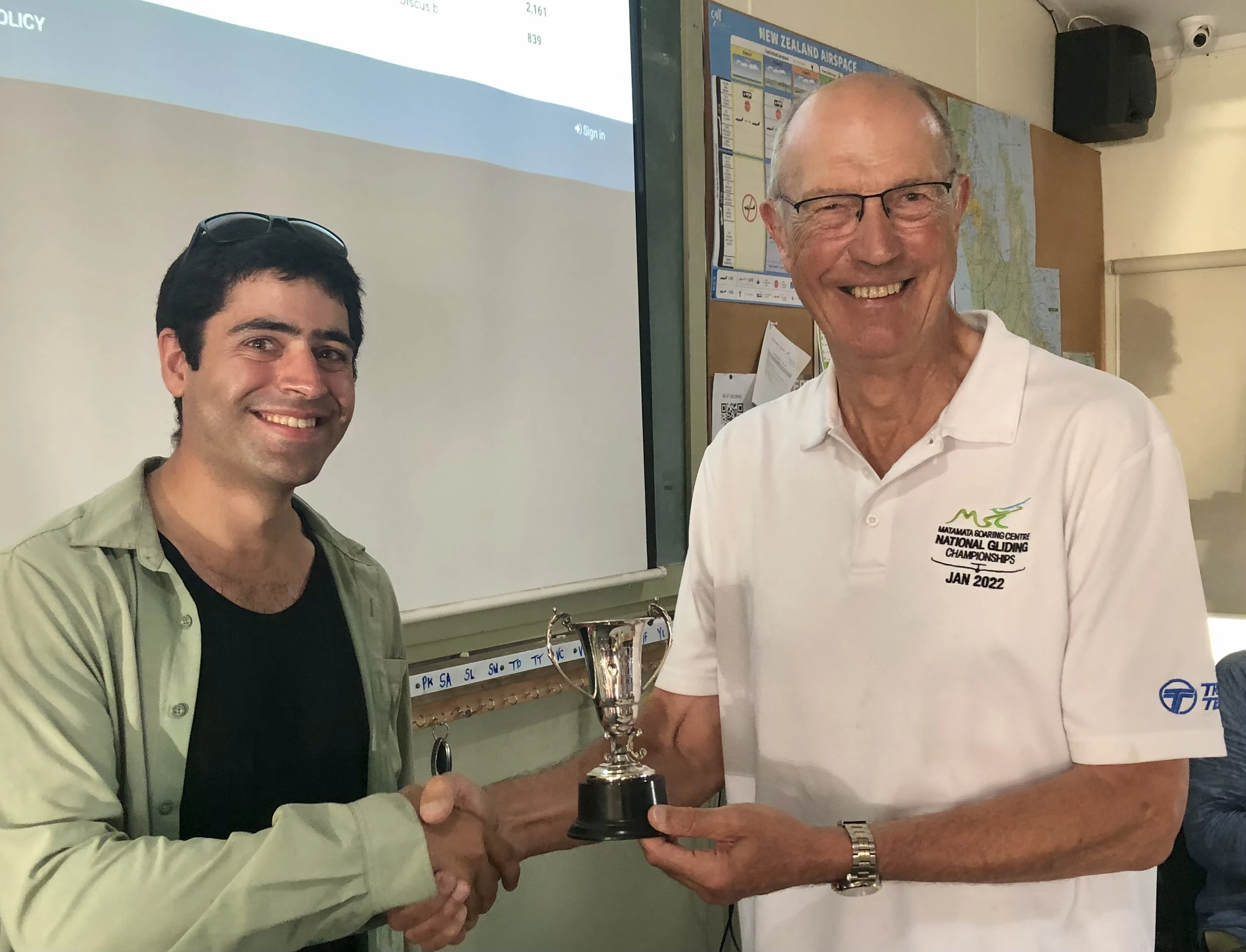
From the winners are grinners files - the MultiClass Nationals held at Matamata
ALEX MICHAEL
Winner of the Sports Class
NIGEL DAVY & STEVE WALLACE
Winners of the Racing Class
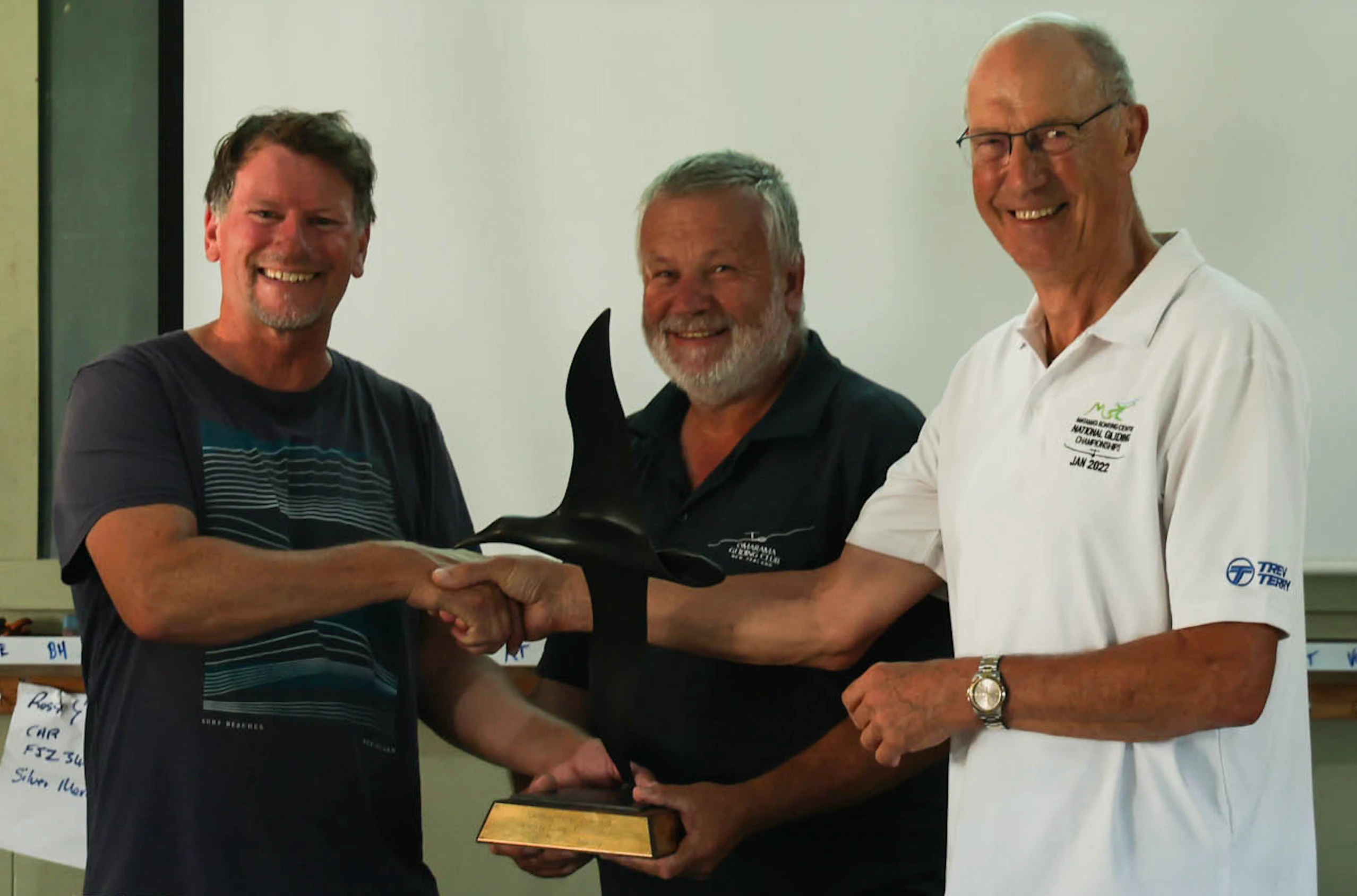
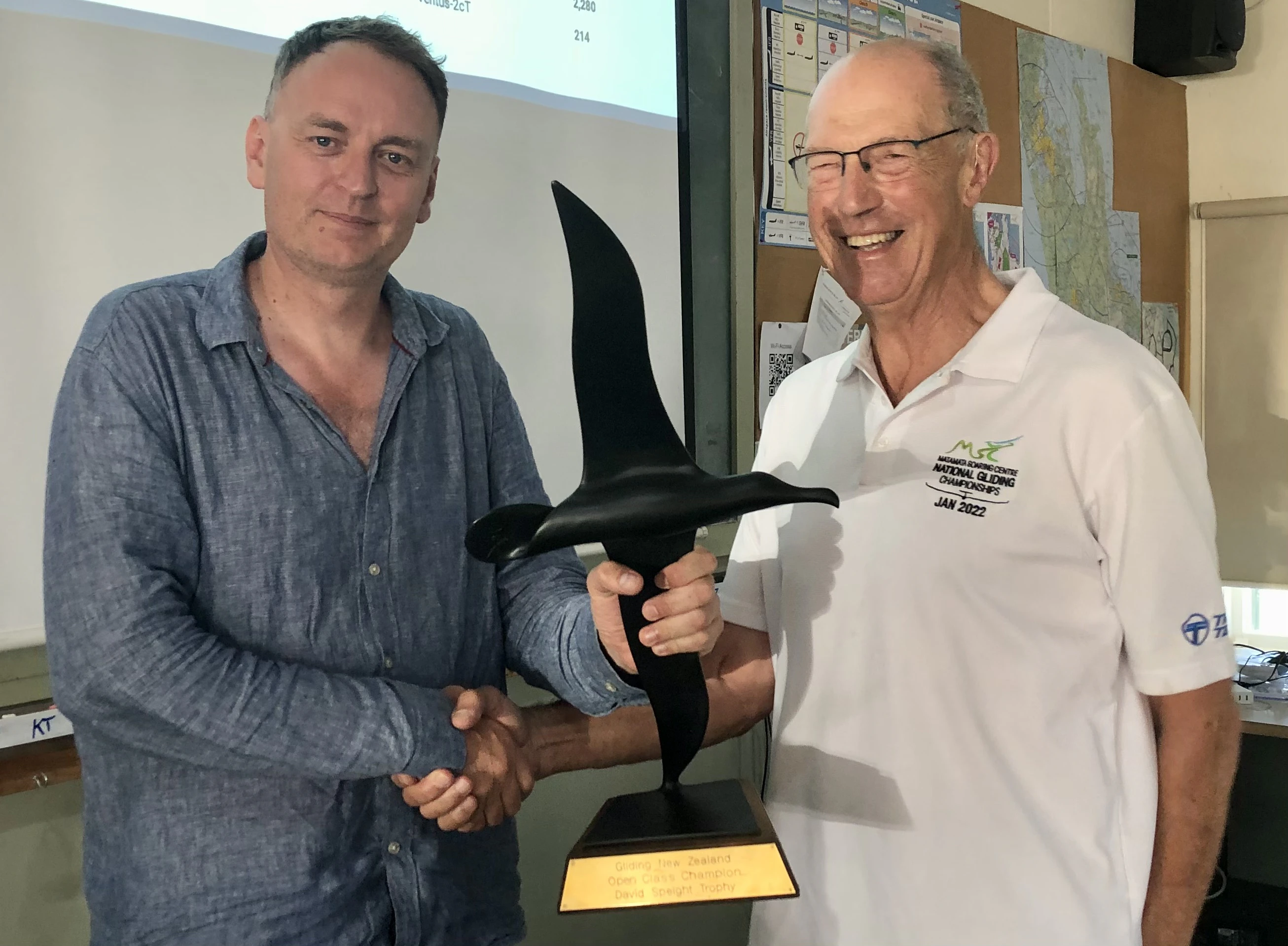
TIM BROMHEAD
Winner of the Open Class
MultiClass Nationals
Ross Gaddes Reports
My personal experience with BH in Open Class
Ross Gaddes
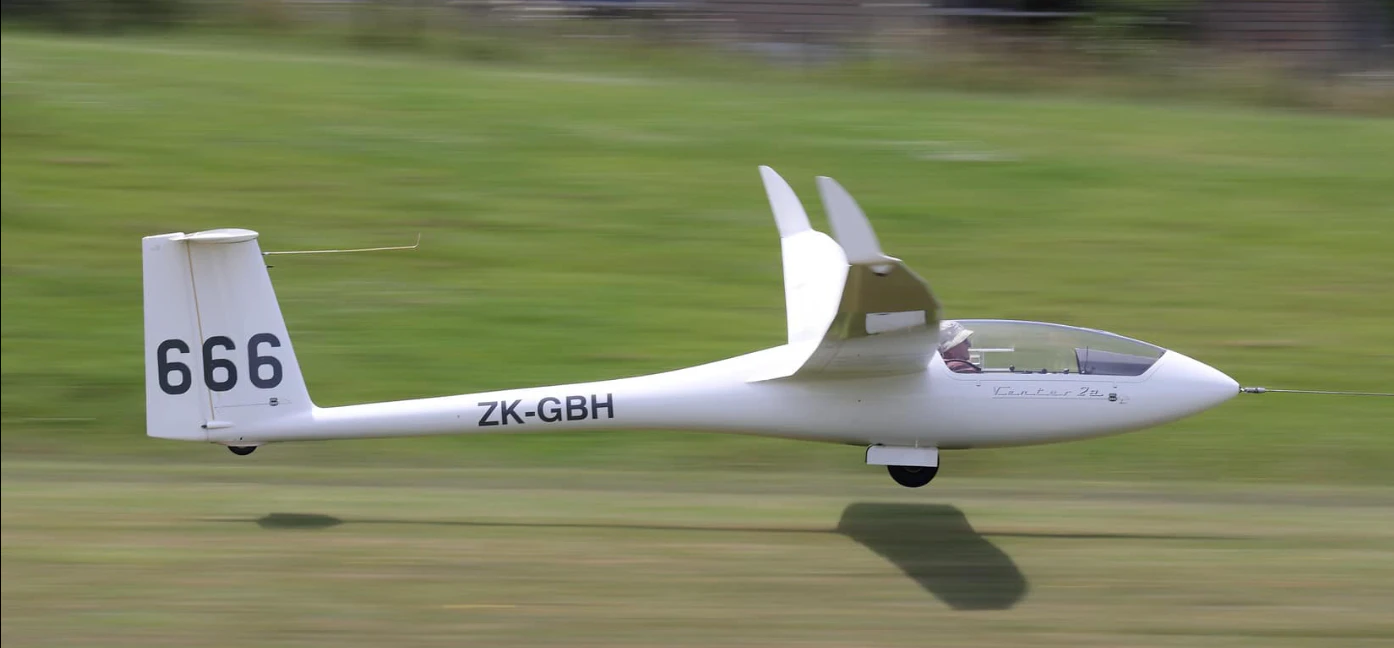
It is only every two years our Multi-Class Nationals are held in the North Island. Many years ago, the North Island Nationals were always held at Matamata and run by the Matamata Soaring Centre, however more recently the Taupo Club has offered a change in scenery by being the host every second year. So, we get to use Matamata only every four years now, so I was quite keen to be a contestant for 2026, and enjoy what is essentially our own back yard.
Now my personal approach to any competition is that it’s very good for my personal progress as a pilot. I accept competition is not for everyone. Many of my friends and peers prefer to enjoy the many other aspects of soaring and have other ways of learning without the hassle and emotion that competing presents. Certainly, in my case I don’t expect too much. As much as I love to “have a go” I certainly recognise the skills of others as well as the tenacity of my peers.
But despite the ups and downs of having good or bad days, I always seem to gain much enjoyment and a strange satisfaction from it all.
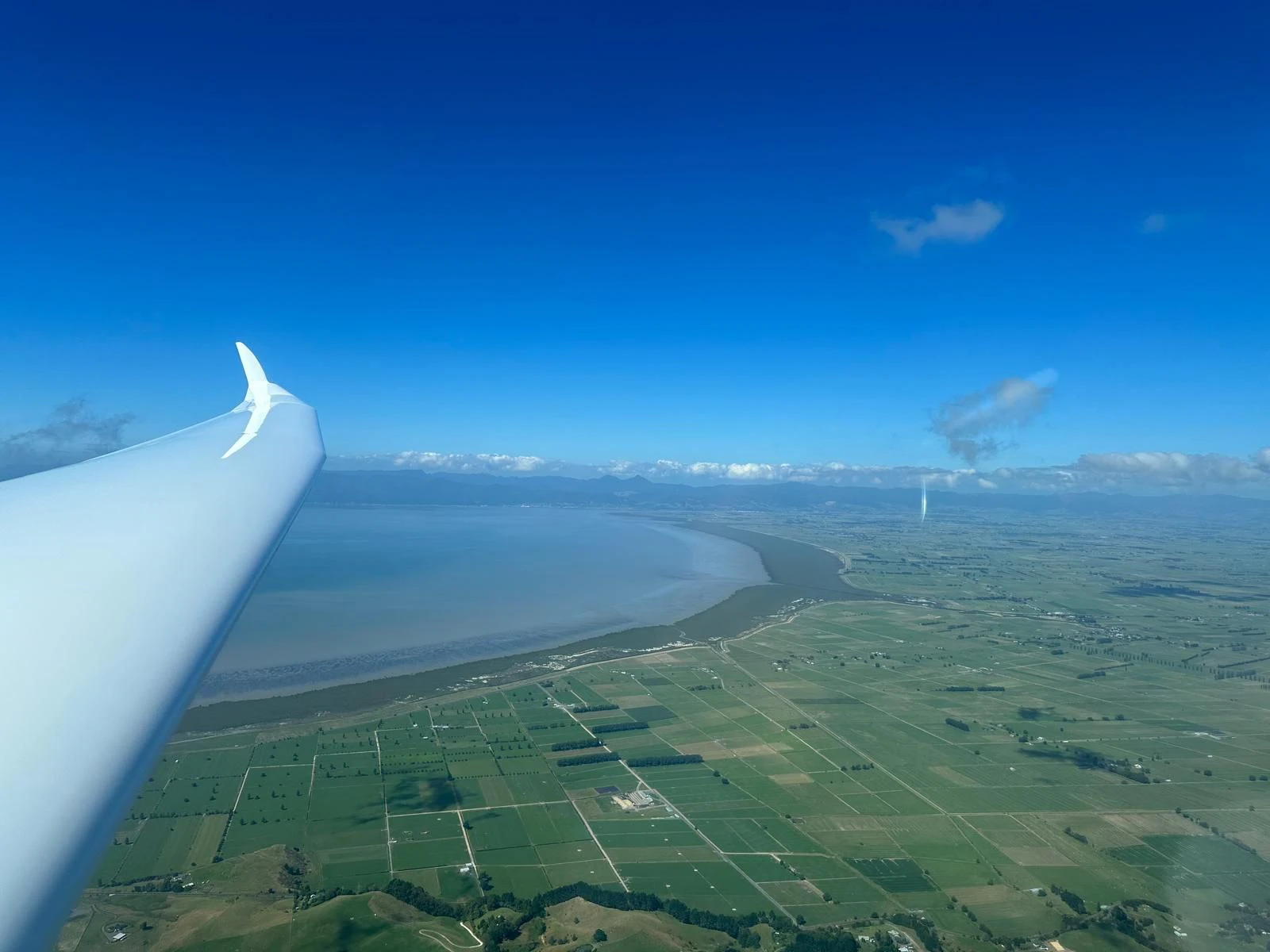
Sunday 1st Feb the task was Wardville - Hikutaia - HotelDvin - BOP Depot - Mat Fin North. This was an AAT type task of 169/268 Km with 217 Km between the circles. Although there was very little wind a SW drift meant the Kaimais seemed to offer the quickest way north. I headed off too early and had few markers to follow. Even 3000 ft was hard to achieve, and the ridge wasn’t that great at all. I clearly remember seeing David Johnson low at Te Aroha and appreciating the fact I wasn’t way down there. I slowly progressed and after touching the southwest edge of the Hikutaia circle I headed direct to the swamp to hopefully get a higher and quicker climb. Others caught up quickly but chose to pass Hikutaia and climb across towards the Hotel Du Vin circle, following a light sea breeze convergence, which often runs east/west just inland of the Hauraki coast. I think I had an acceptable run but lost time being too conservative. The way south, after just hitting the 15 km circle was over the swamp again and a little better. Again, the Kaimais provided average but reliable lift from Te Aroha southwards to BOP and home. My seriously slow time gave me a 6th place at 64 kph and Pat won (89 kph) with Tim Bromhead and Derek Kraak 2nd and 3rd respectively.
Firth of Thames with a lightly marked sea breeze convergence (photo Nigel Davy)
Monday, Tuesday and Wednesday 2nd, 3rd & 4th were all cancelled as the weather was rubbish.
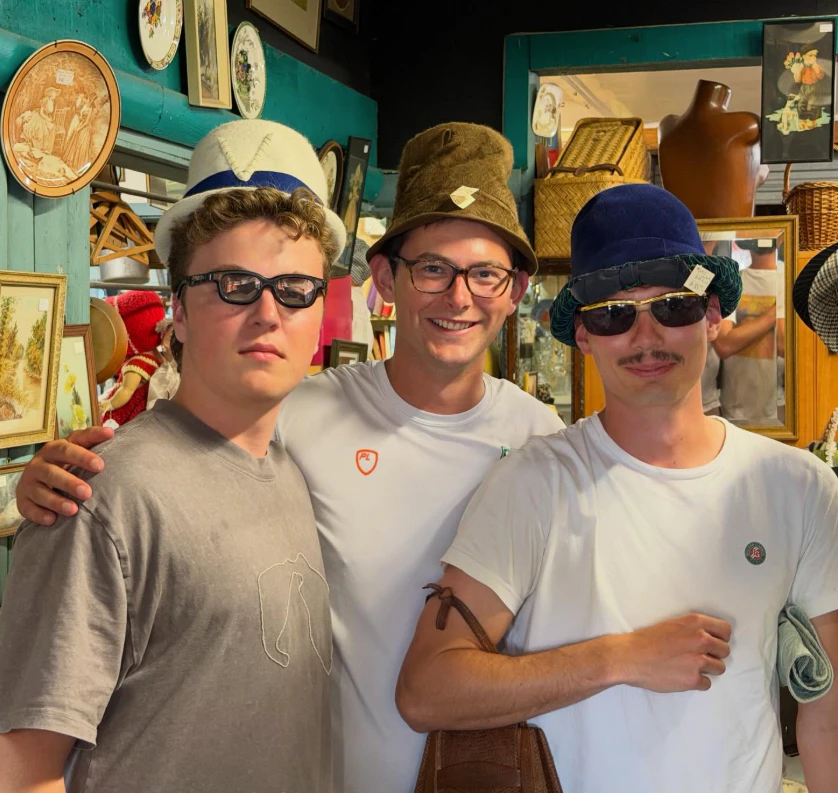
ED: But locals had fun showing our German, French & English pilot friends around.
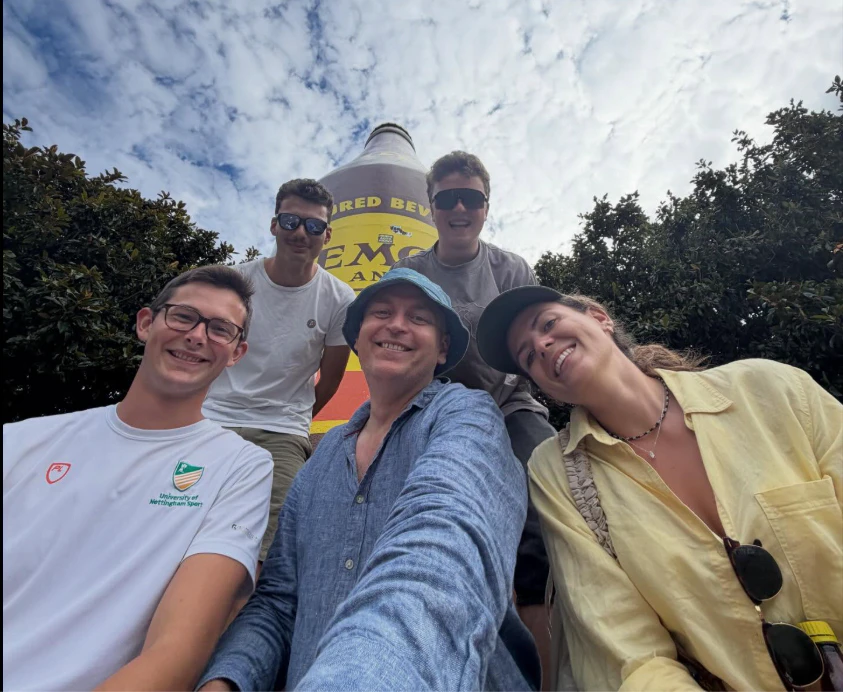
And our international pilots introduced our locals to the latest in glider hat fashion.
Thursday 5th Feb - Waharoa – Lower Waitoa - Rotoa – Matamata 343 Km. SkySight promised a good day and as such some good tasks were set. Ours was racing type task to Lower Waitoa, which is northwards and west of the swamp. Rotokura is not far short of Mt Ngauruhoe, which was always going to be a mission. It proved to be just that. Hardly any part was easy going but the glide into Wharepapa South and onto the hills west of Arohena was horrible. At least some other desperate gliders were about on this occasion. An eventual climb got me back into the game from an uncomfortable height, and up to a much better cloud base which was over 5000ft – luxury compared to earlier. I tracked towards Pureora which offered some cloud, at least, but a strengthening westerly was killing thermals. I decided that the way south was heading towards a sure landing, far from home. Many turned their engines on further south, but I turned and had a great run home. I felt annoyed with myself for giving up. Mark Tingey (who had a bad 1st day) showed that he had the tenacity and skill to complete this bloody hard task. Tim and Derek were 2nd and 3rd with photo out-landings. It was a lot of effort for Mark as he only got 339 points for all that work. The scoring algorithm can be really harsh. Another very notable flight was Ben Sly in Racing Class achieving a 300km badge flight in difficult conditions – well done.
The 'bottom' turn point - Rotokura (photo by Tim Bromhead)
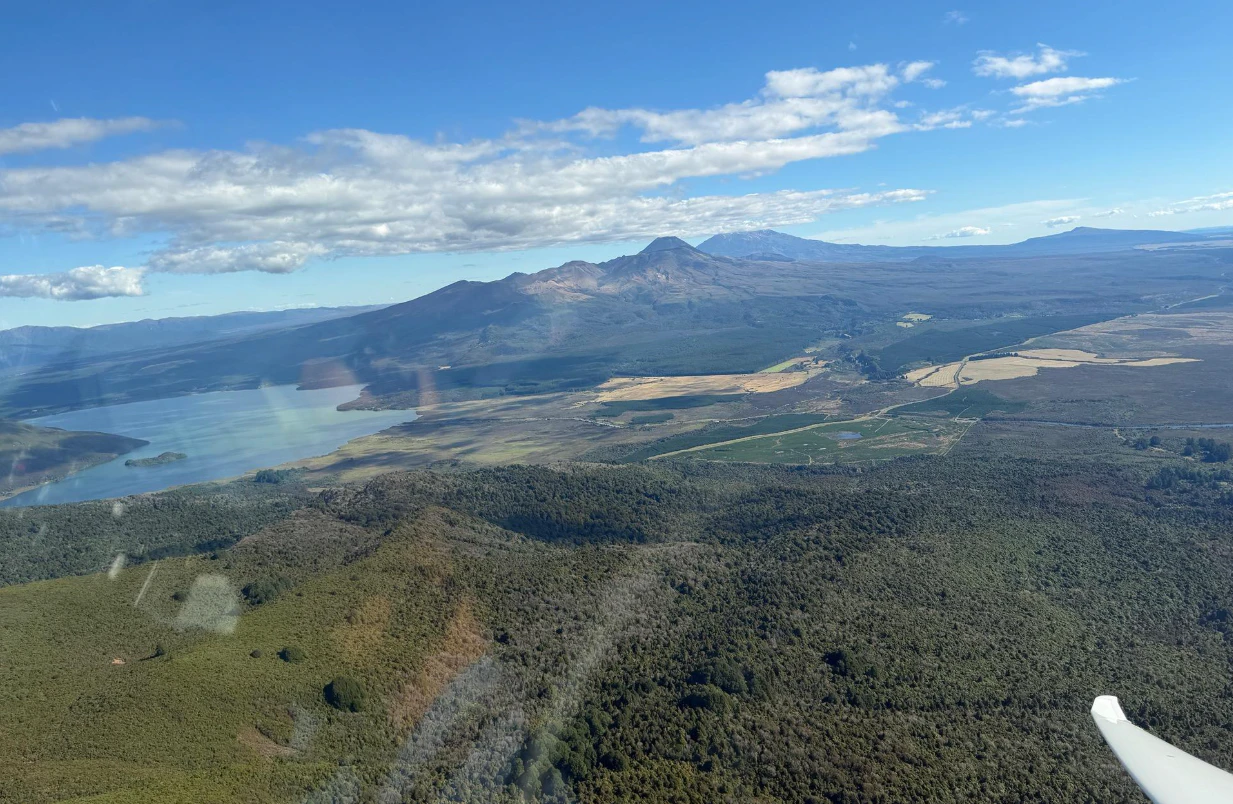
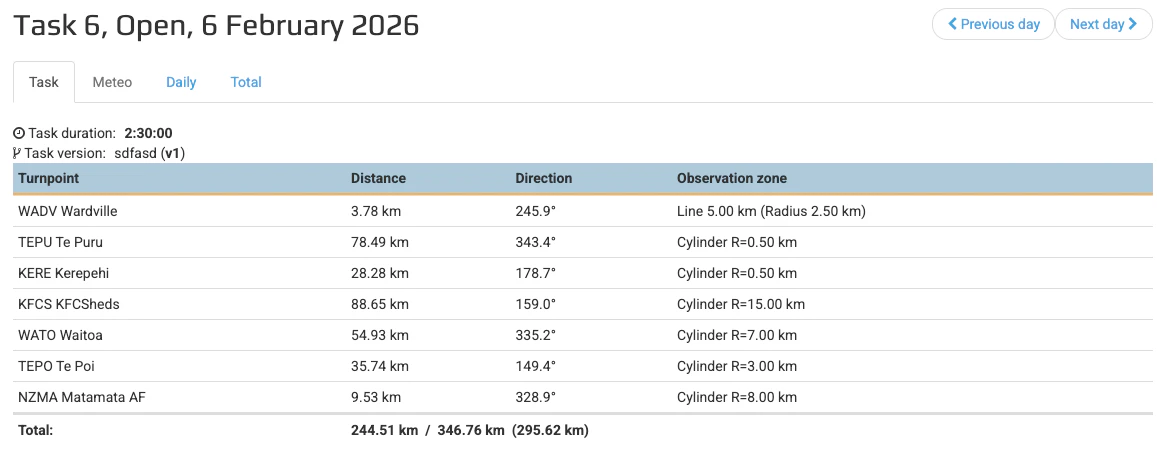
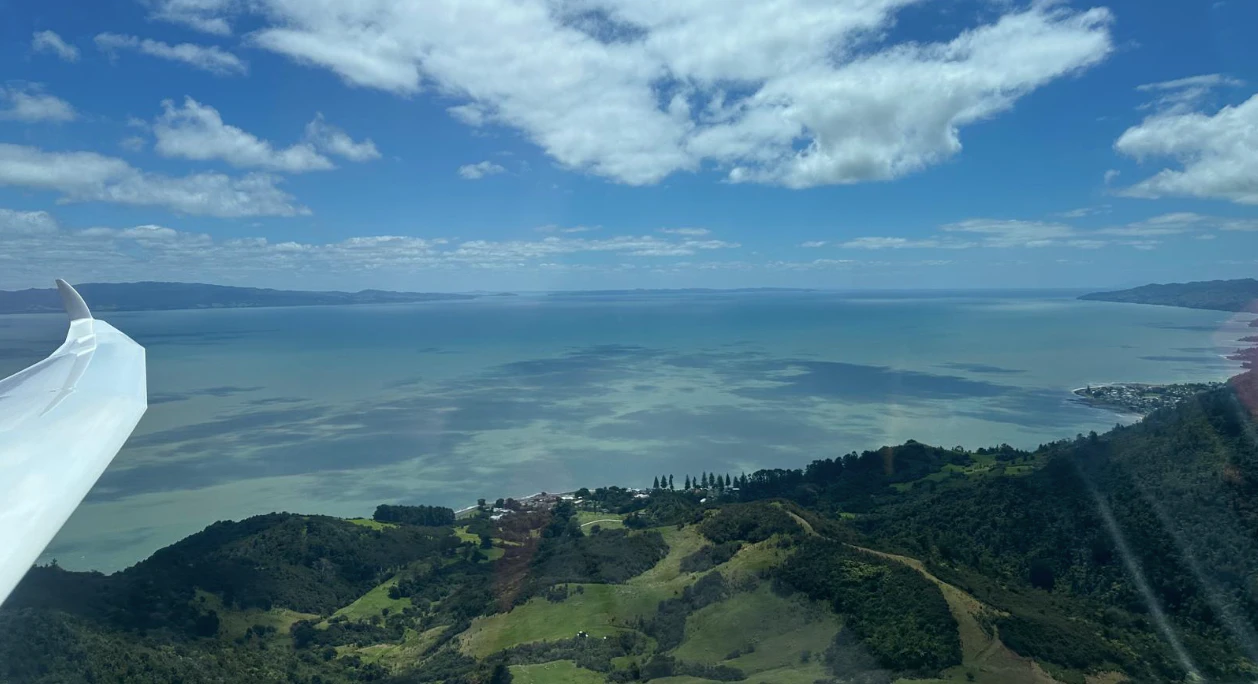
Friday 6th Feb Wardville - Te Puru - Kerepehi - KFCSheds - Waitoa - Te Poi - Matamata AF. This was an AAT again with 244/346 km min/max, 295 km between circles and 2 ½ hour minimum task time. To fully understand the AAT task would take too long here, but for those who don’t - just consider that whatever distance we achieve it will be always divided over a minimum time, in this case, 2 ½ hours. This prevents everyone just clipping the circles to get a faster kph time. So, gliders that have a higher handicap (not me in this class) must travel further into the circles to avoid getting home too early. Entering the circle is all that is needed to achieve the task. Anyway, a strengthening westerly meant a ridge task was appropriate. These westerly winds were forecast to last the event out and did so, as it eventuated. My flying was ok but way too slow. Kaimai racing is a special skill, and Pat won at 128 kph with Tim and Dave Johnson achieving 123 & 116 kph respectively. I dropped from 5th to 6th overall for my effort, but it was still fun.
Approaching Te Puru, the top turn point (photo Nigel Davy)
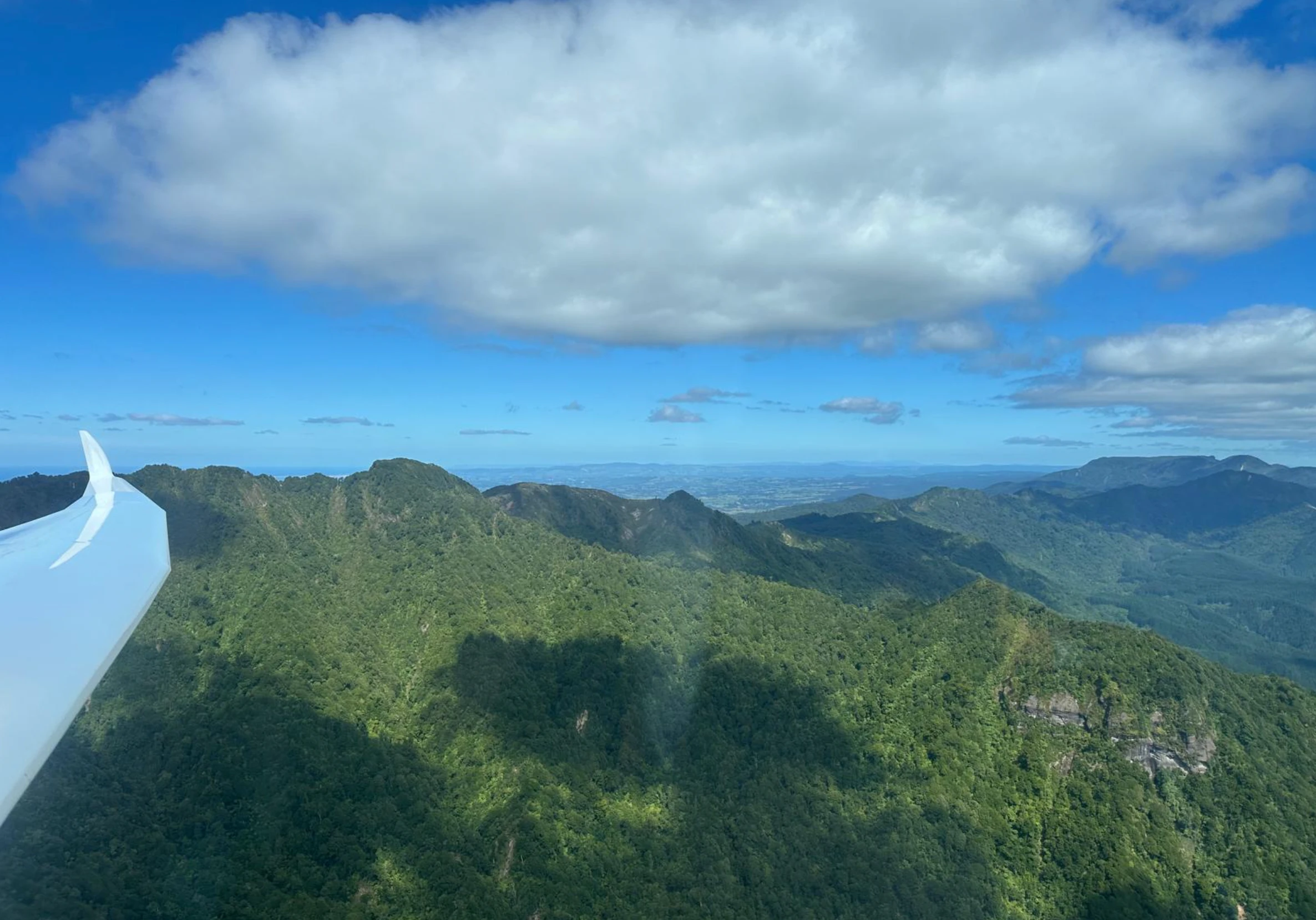
Sat 7th Feb - Wardville - Thames AF - Flaxmill - Putararu - Waitoa - Te Poi - Matamata AF. A racing type task of 269km was set (i.e. hard 500m turn-points). This time I had a good run to Thames and even out to the Flaxmill turn-point (west of Ngatea) went ok. Taking a direct run from Thames Airfield to Flaxmill, to the swamp and then onto the Kaimais at Te Aroha gave me a reasonable ride. However, the way out to Putaruru from the ridge wasn’t so good and only some slight wisps indicated lift. This was a big error for me. I trucked out directly off the ridge at the Swaps quarry and descended to almost landing height. Luckily a ½ knot thermal appeared over a shed and I was able to drift slowly back to the thermals on the ridge. Better than landing, I suppose, but my time was out the door. The turn point at Putararu was eventually achieved but the time cost was substantial. Brett Hunter smoked the day (94 kph) with Mark Tingey and Pat in 2nd and 3rd. I came 10th but somehow held my overall placement at 6th equal with Frank Excell.
Kaimai Ranges (photo Nigel Davy)
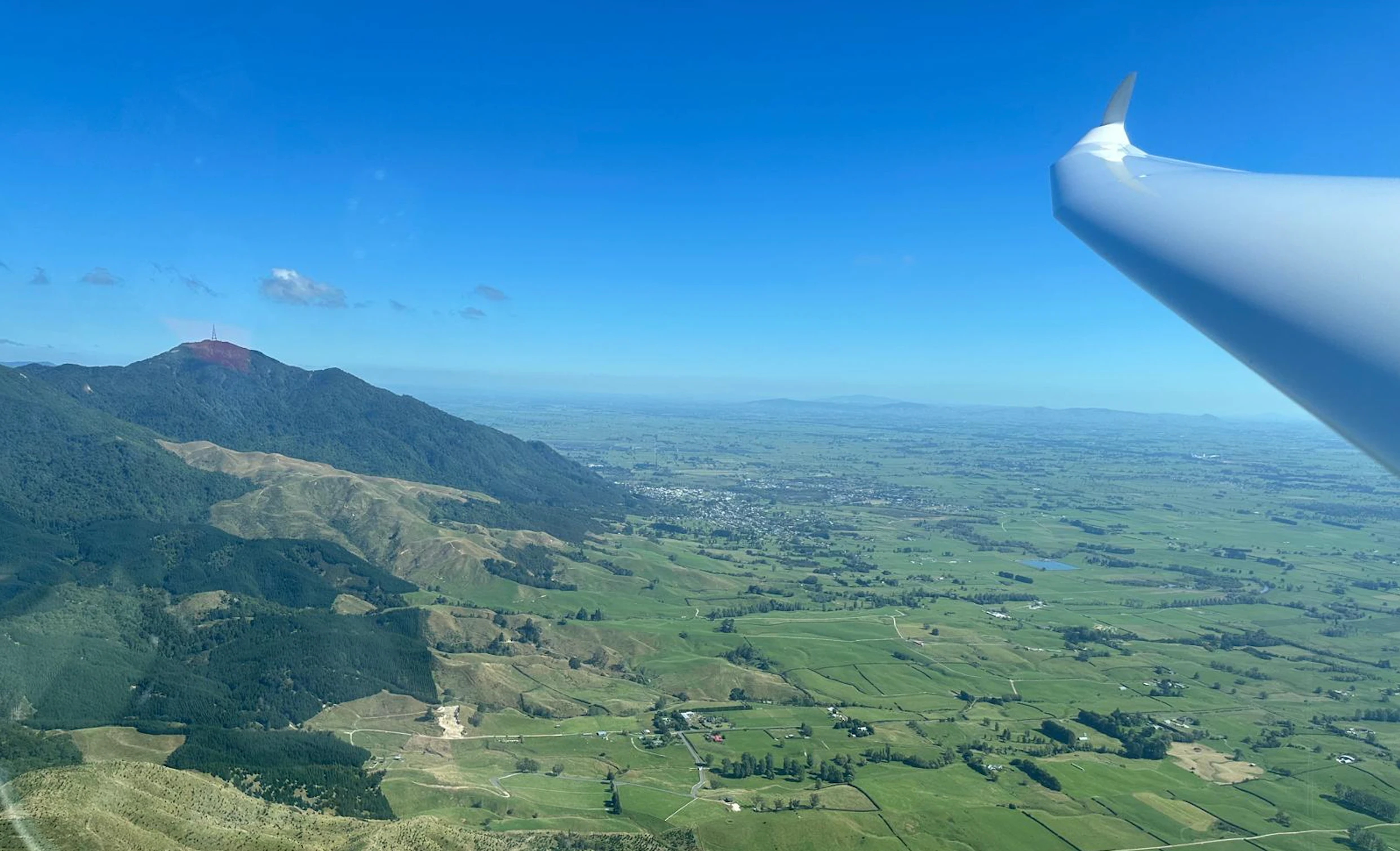
Sun 8th Feb was the last day. Wardville - Kerepehi - Tokoroa AF - Te Poi - Matamata AF. This was a 130/210 km AAT task of 2 hours with 20km circles around Kerepehi and Tokoroa. A westerly meant it was another ridge race for sure. But the wind was light if one was too low, especially when nearing Thames. I decided on being conservative. After the previous day I chose to make a steady and high(ish) flight mainly just to avoid needless stress. Weirdly my flight went much better. I flew almost to the end of the Thames circle, but inside the 20km Tokoroa circle, where there is no ridge anymore, was very blue. Rather than risk an out-landing on the last day I chose to turn on the circles edge near the chicken sheds on the Mamaku's. The run back was too easy so unfortunately for me I was about 15 minutes early through the finish, but I was still pleased with my flight which was fun albeit too short. Never mind I ended happy and in 5th place overall. Alan Bellworthy also had a great day and took podium followed by David Johnson and Tim Bromhead. I kicked myself for not venturing further at Thames because even that small extra distance would have helped. But that is the way of these competitions for me – I’m forever reliving my crappy choices. I was happy to end with a good flight.
ED: Ross's home town of Te Aroha sits below Te Aroha mountain.
Final Scores
In Open Class – 1st was Tim Bromhead, 2nd was Pat Driessen and Brett Hunter squeaked in ahead of Derek Kraak (from Canterbury) for 3rd. Derek was a great visitor to have from down South and it’s good to see some making the expensive trip northwards.
In Racing Class – 1st was the Duo North/South combination of Nigel Davy and Steve Wallace with John Robinson 2nd and Bob Gray / Dave Dennison 3rd.
In Sports Class– 1st was Alexander Michael, 2nd Rae Kerr and Nathaniel Melia 3rd.
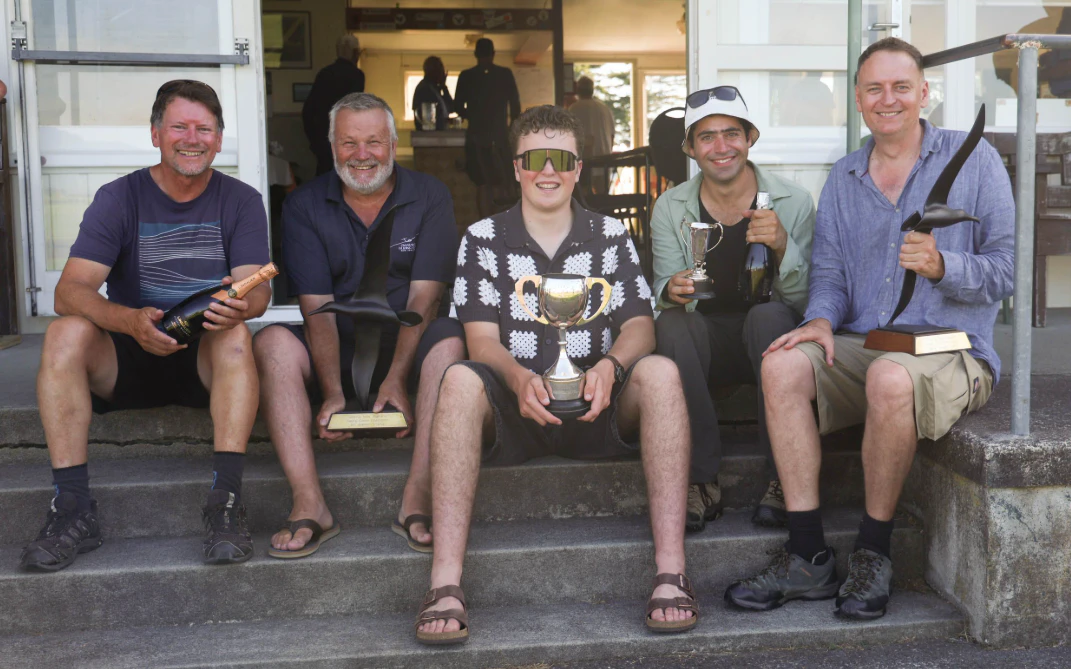
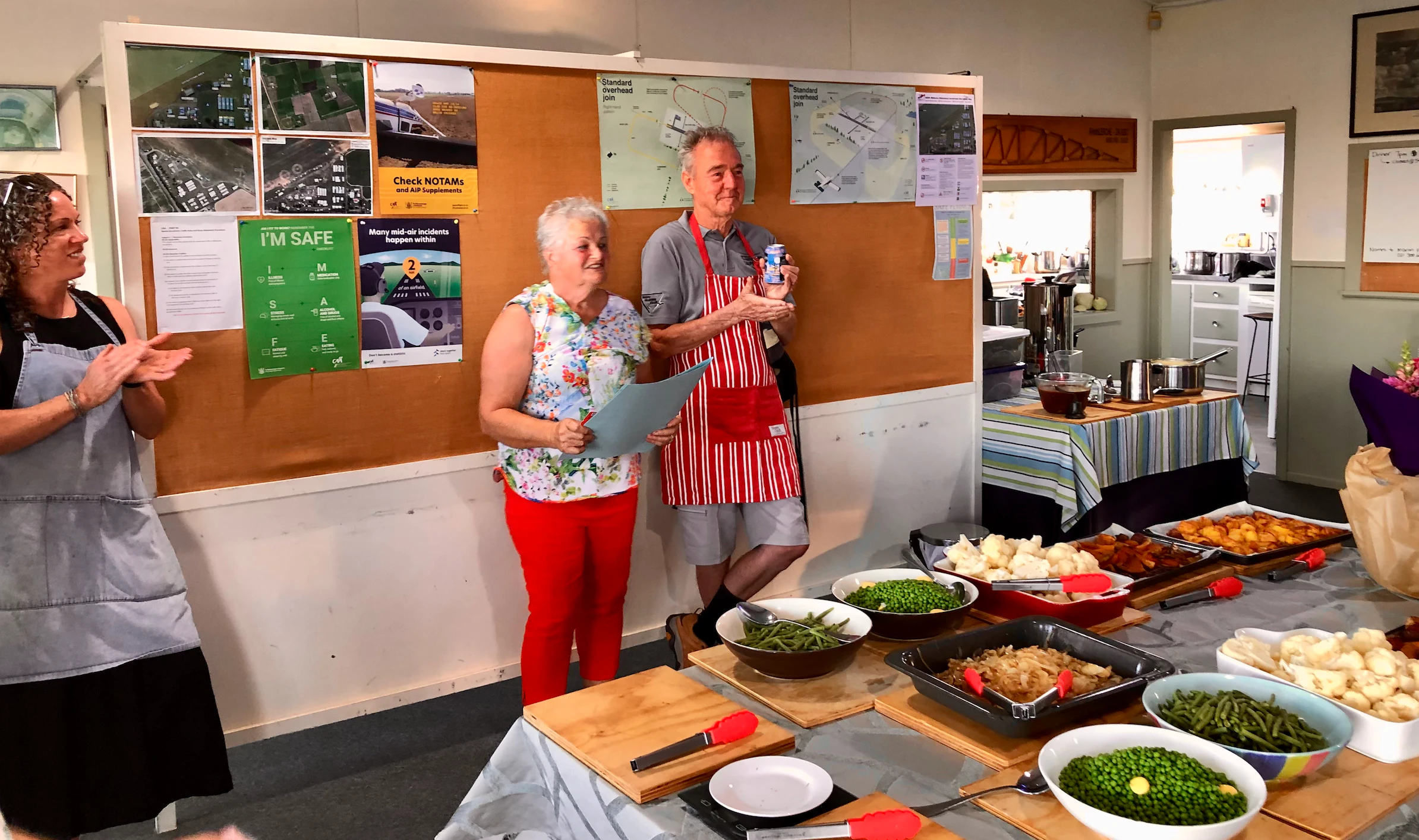
With 31 entries in the three classes, it turned out to be a great competition. As is always the case the people who work so hard to ensure the event runs smoothly are not only entrants but awesome individuals that give their valuable time to contribute to a successful event. Our competition director Bob Henderson and his entourage were faultless. Also, Dave and Marion Moody need a special mention as their special contribution ensured everyone was catered for and well looked after.
Marion and Dave accept a gift for all their hard work keeping the masses feed and happy
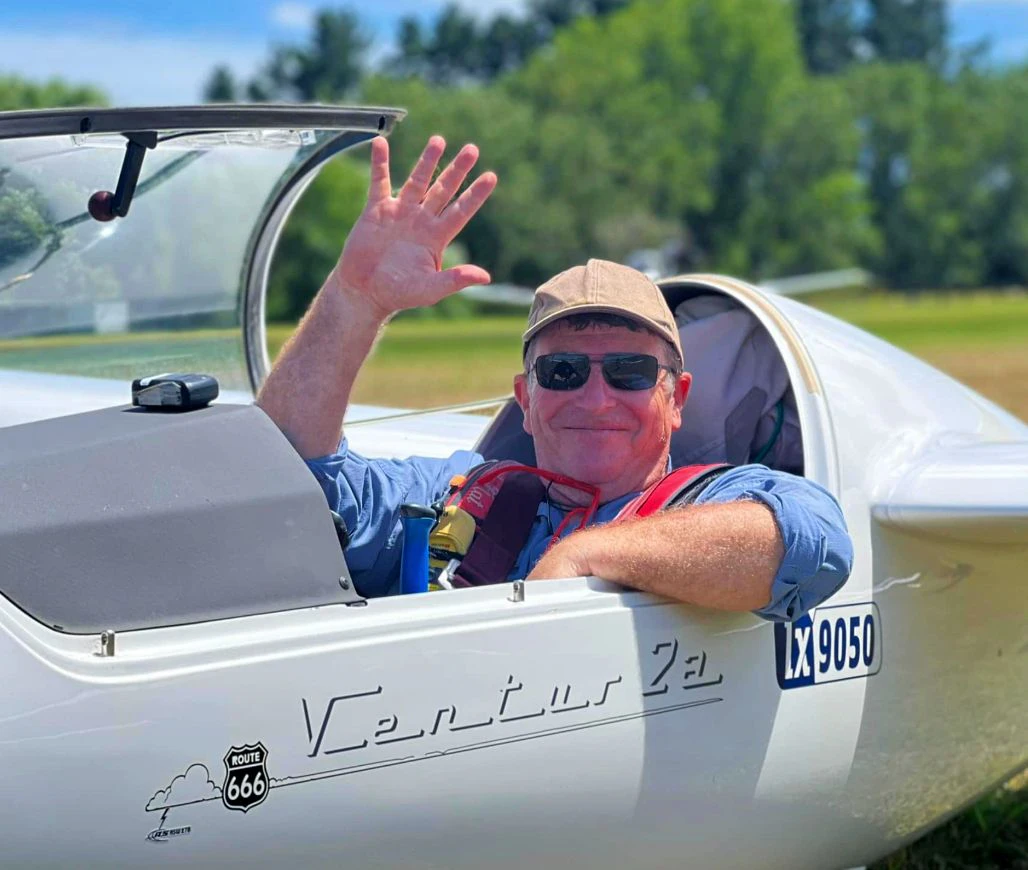
Finally – this account was about my own participation in this premium NZ event. Of course, all the participants will have their own experiences, regardless of what class they were entered in. I think everyone had some good experiences and some challenging times. And that’s what I think it’s all about. I’m sure we all want to step onto the rostrum, but the important thing (for me at least) is to learn heaps and have fun.
Ross Gaddes
Sports Class at the Nationals
Alex Michael
Giving my first competition a go in the Sports Class
I had been told again and again that flying competitions is the best way to become a better cross country pilot. Having just completed my first competition in the Sports Class it’s now so obvious why this is true.
The Sports Class is geared towards pilots early in their cross country career who want to get the full competition experience while competing against their peers at a similar level. Tasks are set to gently push you to fly further and faster than you have before while still being achievable. The fantastic thing about the Multiclass Nationals is that you’re also in the same room (and sky) with the country’s best glider pilots. You learn so much just by talking with them and observing how they fly.
It was really the best of both worlds being able to compete with pilots of a similar background while also sharing the same experience as the pros, being at briefing, tasking, gridding, going through start lines, uploading traces, scoring,… and maybe having the odd retrieve or two.
Aerotow retrieve from Tokoroa airfield.
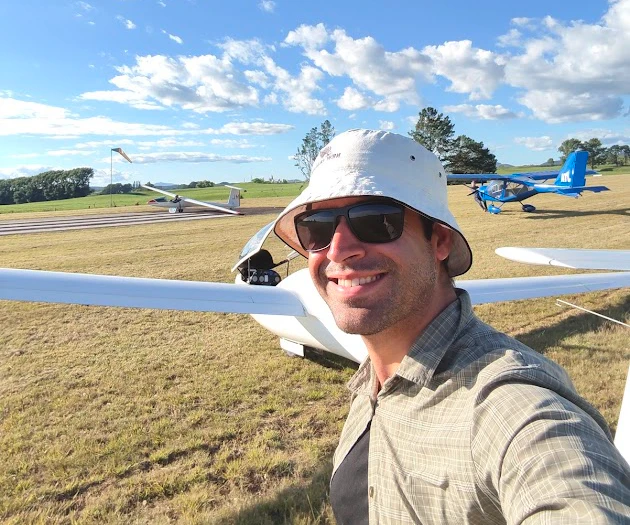
Another great element of a competition is that a task will be set even if it’s a day you wouldn’t usually bother to rig. This really forces you to hone your skills and sharpen your decision making. And with having so many gliders in the air, there is at least one you can use to help lead the way.
I thought it was an incredibly fun, friendly environment with a wonderful social atmosphere bringing together so many people passionate about gliding.
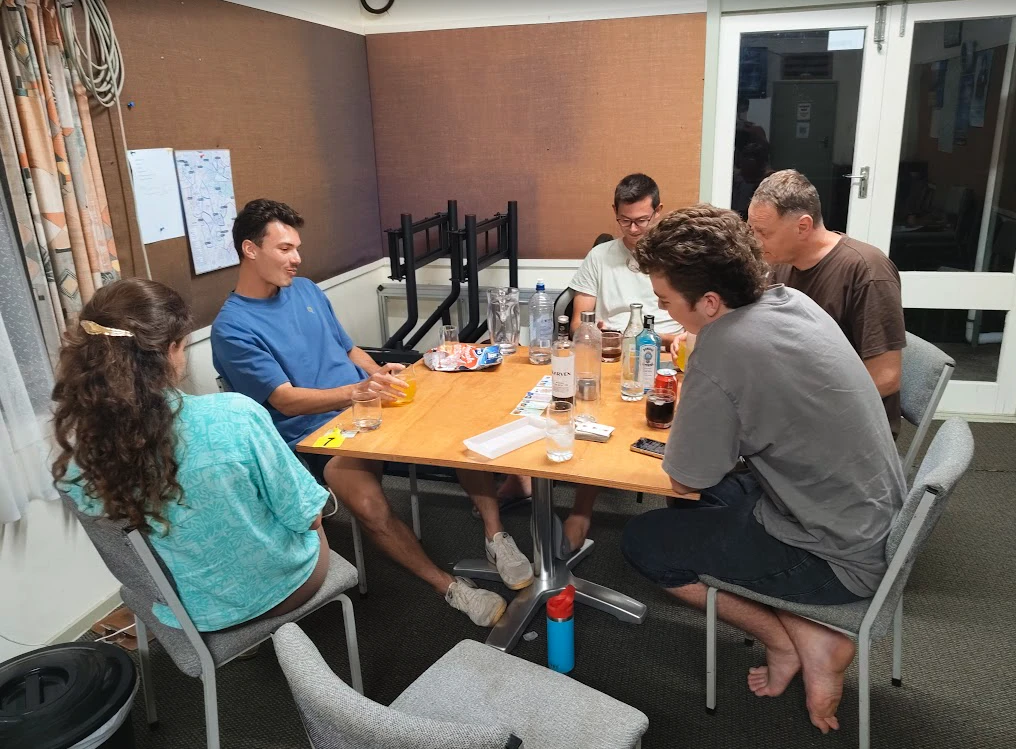
Late night card game.
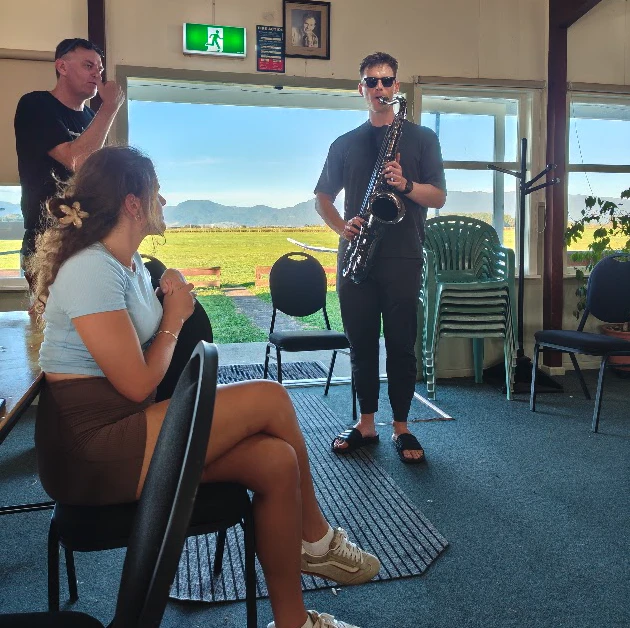
Glider pilots have other talents too.
Many thanks to my fellow competitors Rae, Nathaniel, Paul, and Steve for making it a real competition! Beyond all the learning and flying, IT’S JUST FUN!! I had such a blast and can’t wait to do it again, this time with the big boys and girls in the Racing Class. If you are a baby cross country pilot and want to fly better, you’d be a fool to not sign up for the next Sports Class competition.
Alex perfecting the fine art of grid squatting.
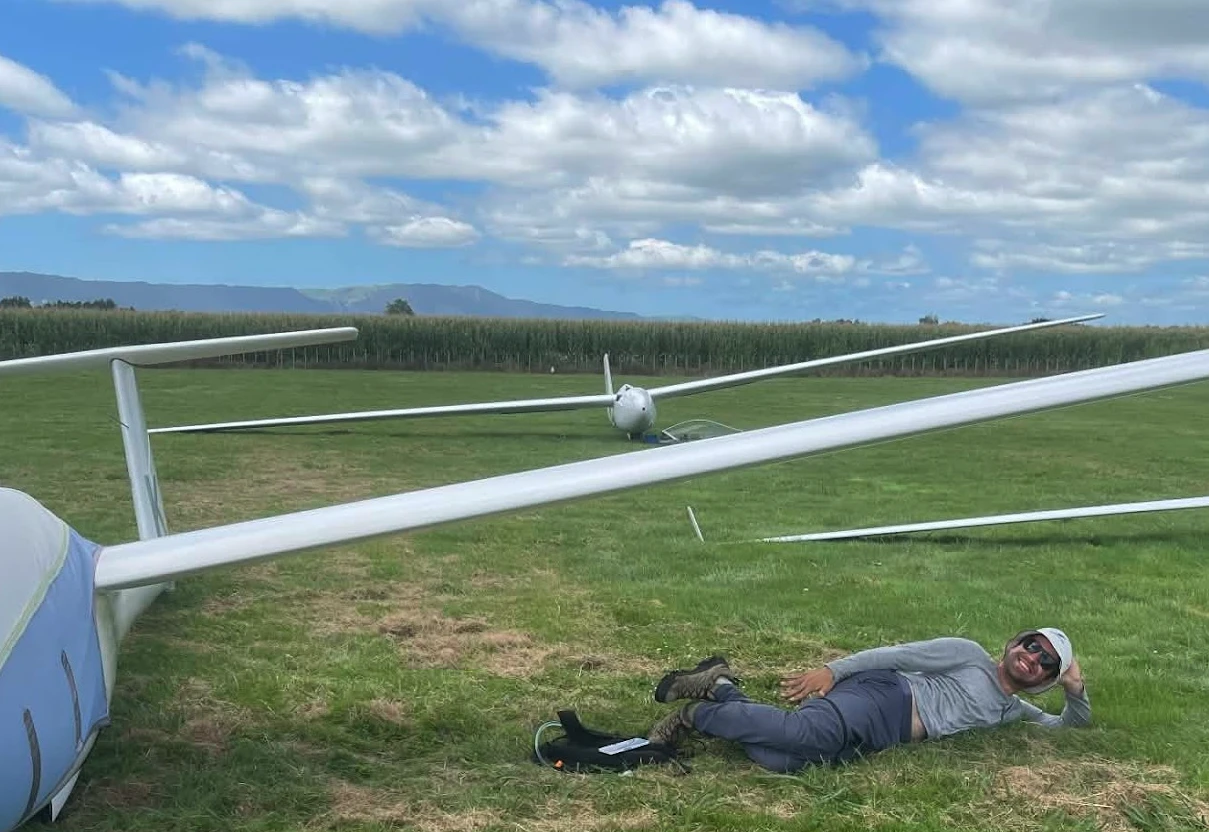
My Diamond Goal 300km
Ben Sly
Ben Sly's 300km Diamond Goal
After flying four previous 300km flights, all of which did not qualify for the Diamond Goal for various reasons, it all came together for Ben on Day 5 of the MultiClass Nationals. Ben tells his story...
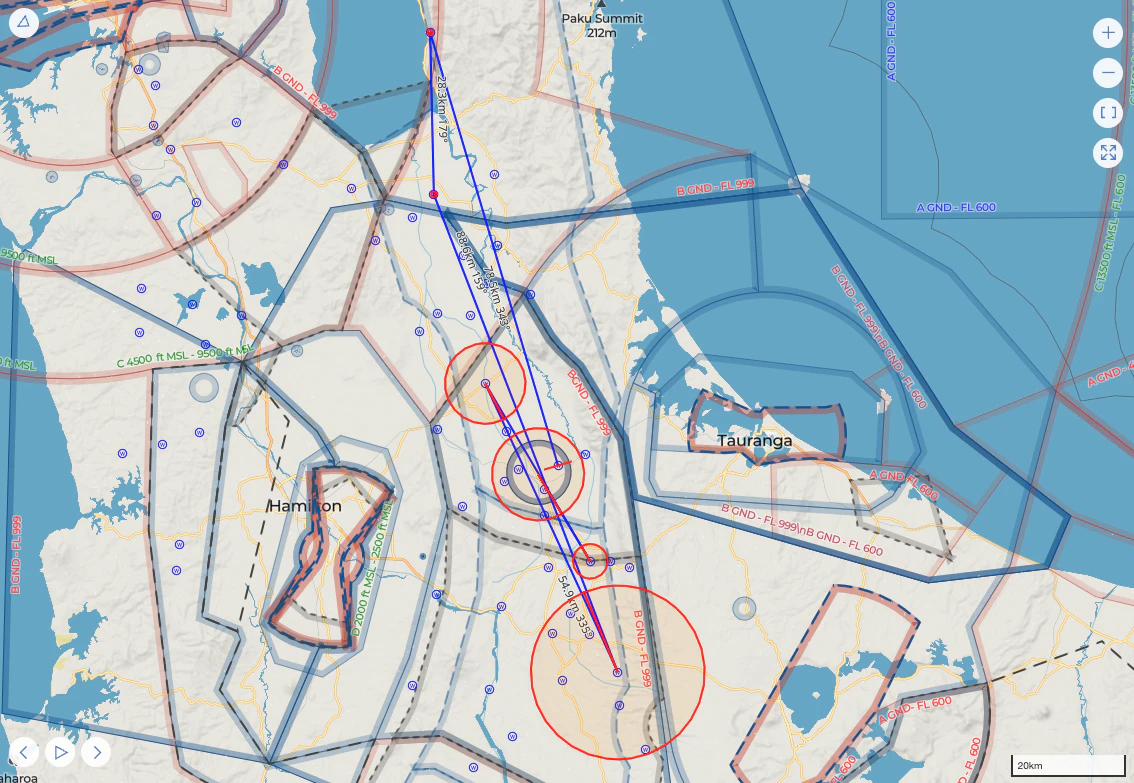
During the recent New Zealand Multi-Class Nationals, I achieved my FAI Diamond Goal, completing a declared 300 km task in ZK-GON. The flight lasted 5 hours 37 minutes, covering just over 600 km of actual track flown including thermalling. Maximum altitude reached 6800ft, with the day demanding both patience and precision rather than outright aggression.
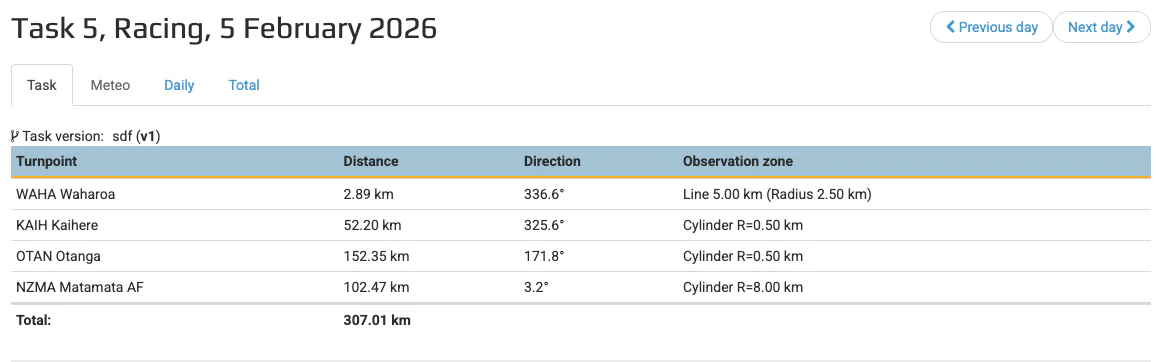
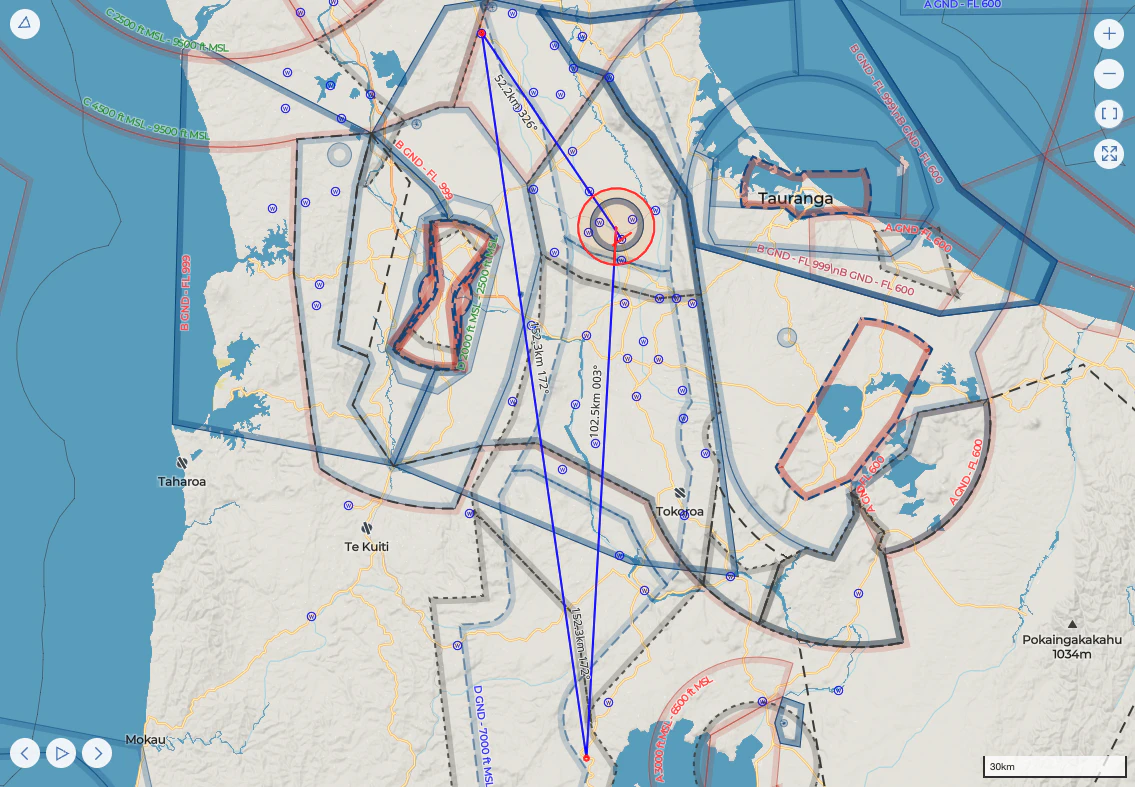
Declaring the Diamond distance before launch changes the mindset. Unlike the AAT’s that we fly now, there is no flexibility. It stops being “let’s see how it goes” and becomes very black and white, you either get around, or you don’t. There’s no shortening the task and no backing out halfway. That pressure was present from the grid.
Early in the flight, the priority was efficiency over speed. The conditions required proper centring and disciplined climb selection. Pushing too hard would have risked sinking below workable margins, so the strategy was to conserve energy and build consistency rather than chase higher-performance aircraft.
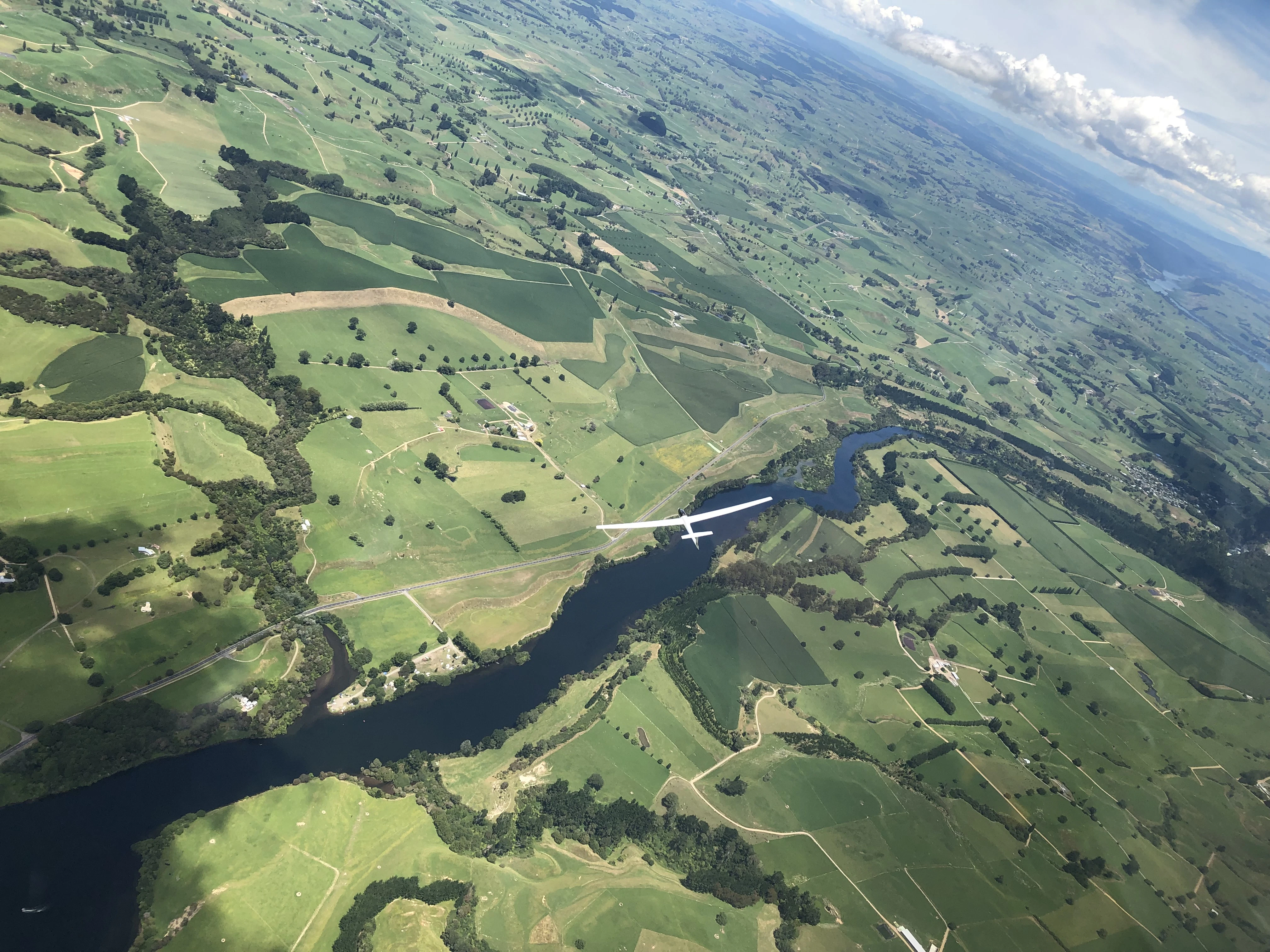
Mid-task, the rhythm of the day improved. Once established in reliable climbs, cruise speeds increased and the flight became more about maintaining structure, minimising wasted turns, protecting height before transitions, and staying ahead of deteriorating patches.
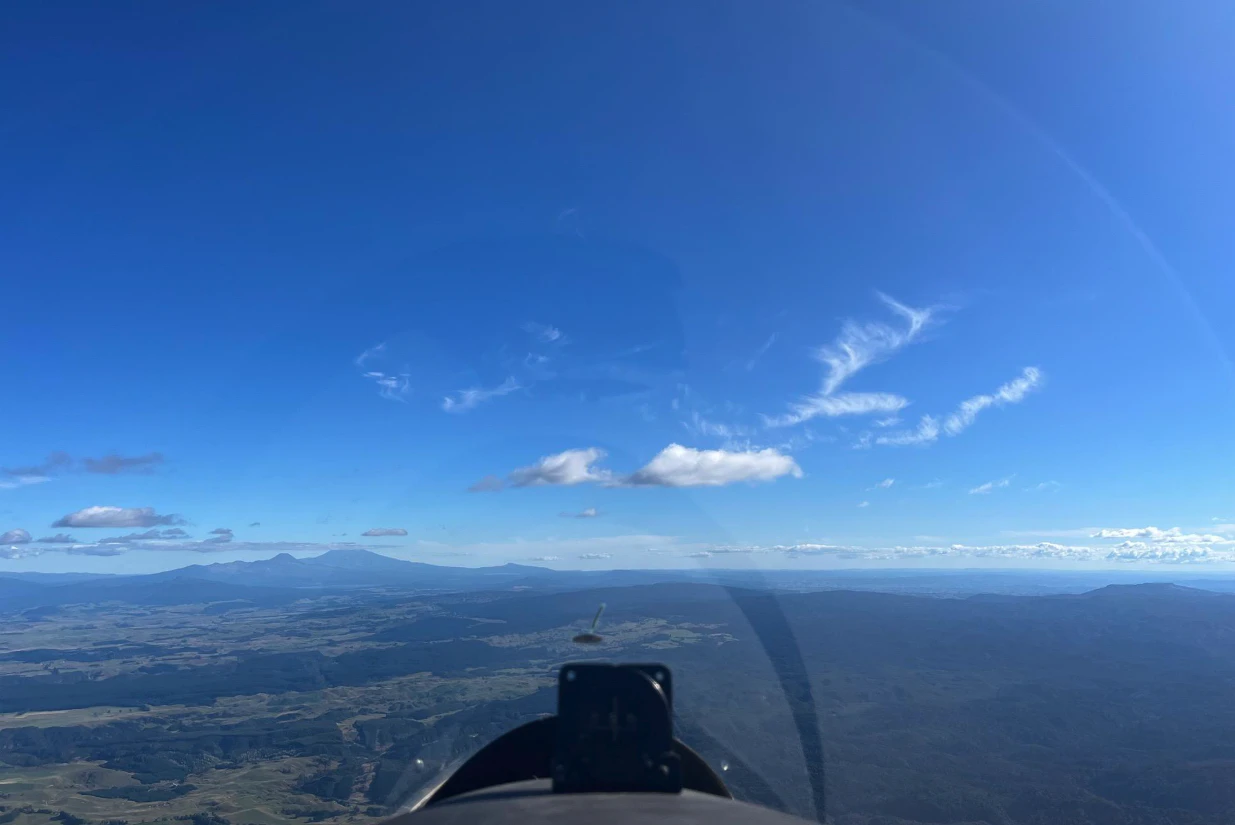
The final leg required restraint. I didn’t want 290 km and regret… again. I left Titiraupenga 1500ft below glide and climbed to 1000ft below glide at Mangakino and then I picked the rest up on the way, without turning. With the 300 km nearly complete, it would have been easy to overcommit. Instead, I maintained conservative margins to ensure a comfortable finish, about 2 or 300 ft above my minimum finish height.
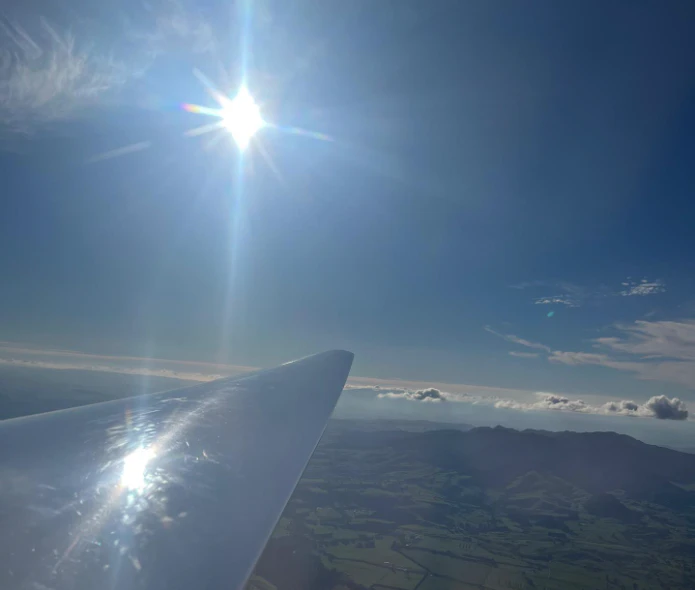
Securing the Diamond 300 during a national competition, rather than on a standalone badge day, made the achievement particularly meaningful. It was completed in full racing conditions alongside some of the country’s strongest pilots on a difficult day where only 5 out of the 30 aircraft completed their respective tasks. I was awarded the trophy to recognise the most meritorious flight of the competition which emphasises what a milestone this flight is in my journey.
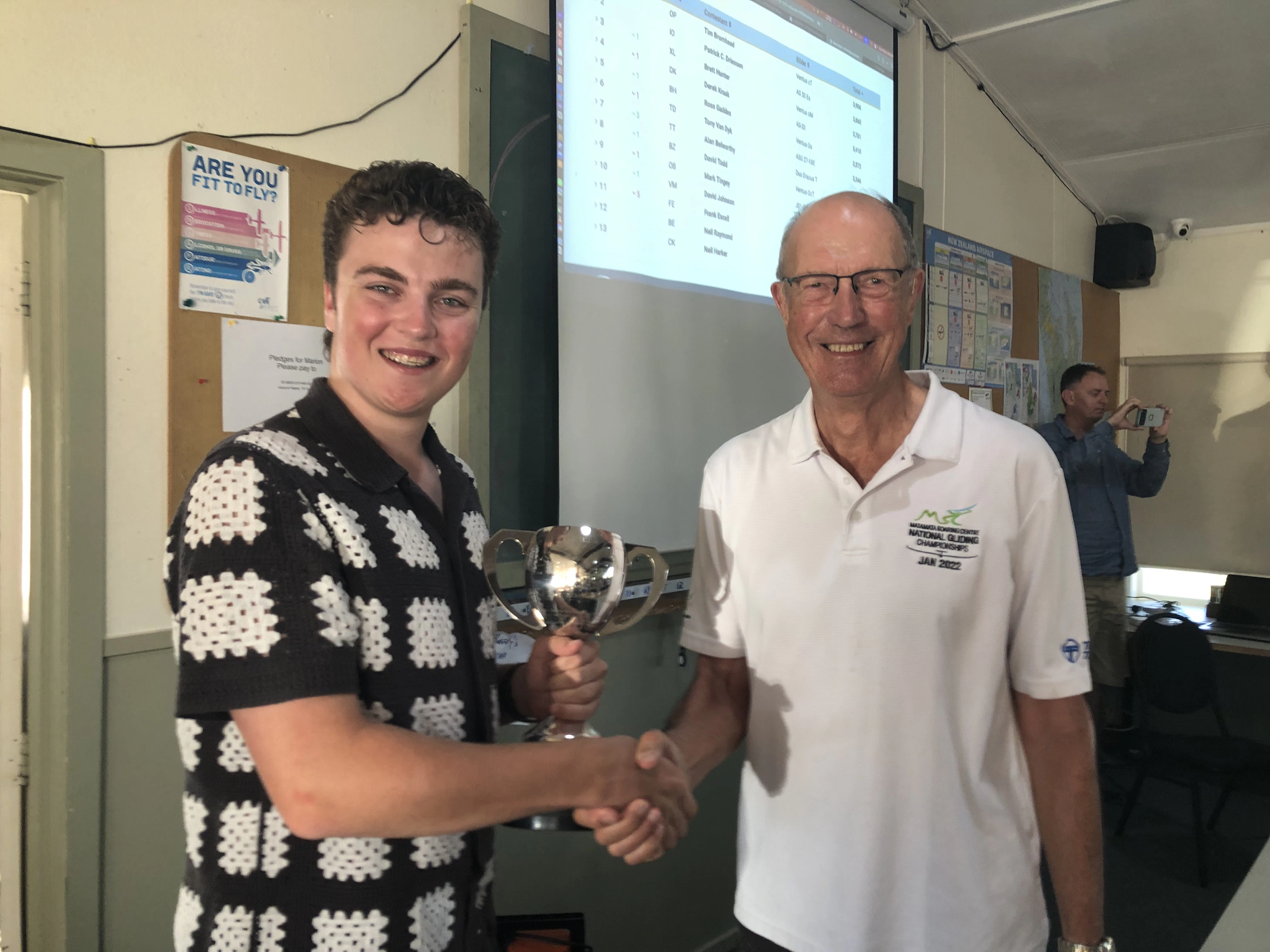
The flight represents a significant step in my development and a reminder that disciplined decision-making often matters more than outright performance.
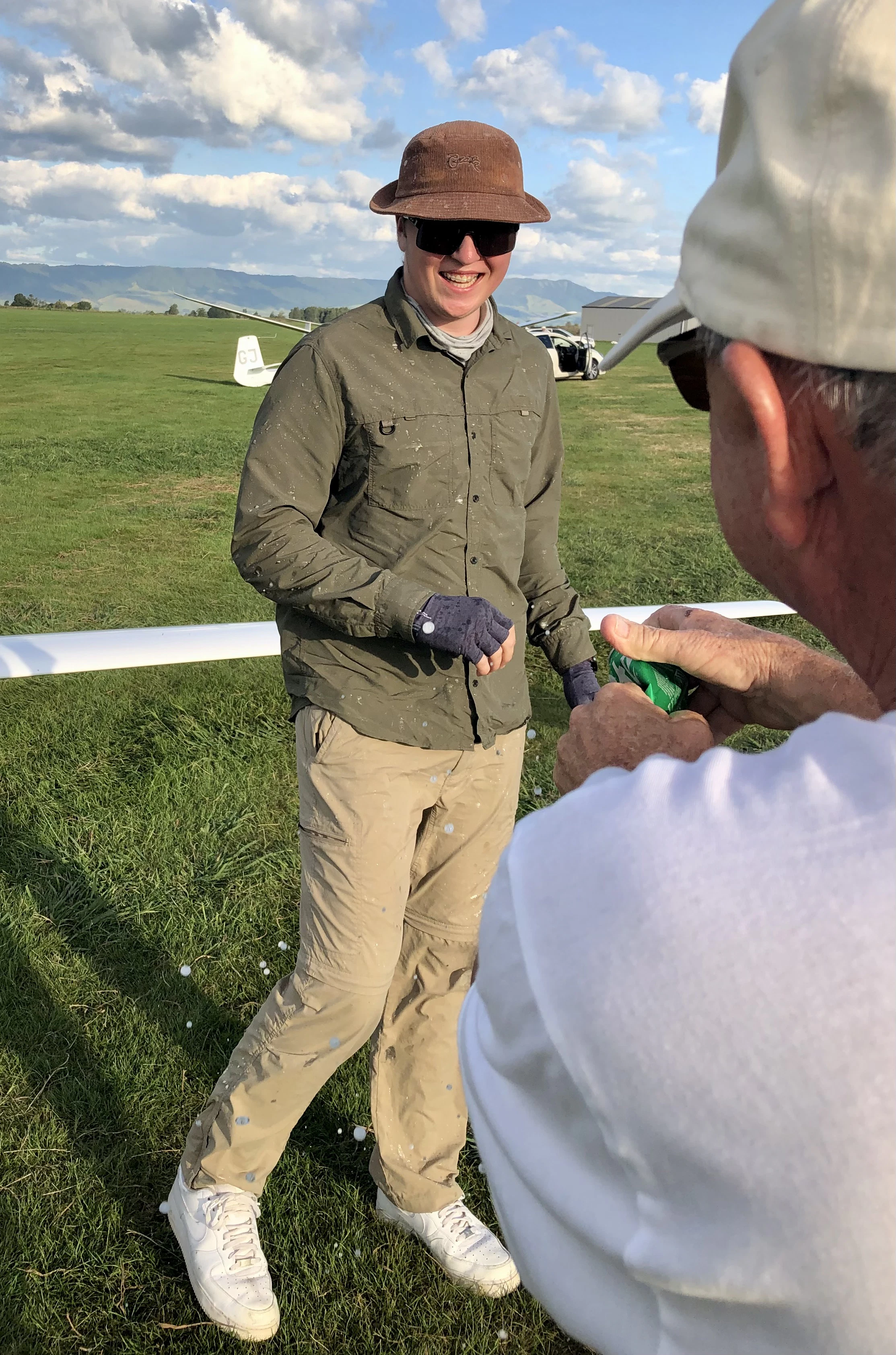
A huge thanks to Bob Gray for being an excellent OO, Steve Wallace for everything he has done for me, Terry Delore for replacing the champagne with a non-alcoholic sprite for the celebratory drenching and everyone else who has helped me along the way!
Central Districts Gliding Championships
A wave day to remember
"The most terrifying flight I've ever had. So much turbulence and powerful lift. Literally left blood in the cockpit." - David Hirst
The Central District Gliding Championships may not have been a contest to remember with only two scoring days out of the eight scheduled days but Friday 20th February will be a contest day none of the pilots who flew will forget! Dave Hirst tells the story of the contest and that wave day.
I’m flying an AAT wave task, heading to the northern turnpoint, trying to stay below the airspace cap of 6500’. My landing gear has been jolted down, so the lever is doing a good job of bruising my right thigh, my airbrakes are out for the umpteenth time and a particular seat pan screw is making my left elbow bleed, I’m only just staying below Va at 6300’, being rolled sideways and I’m still going up.
Other than that, it’s a normal Friday.
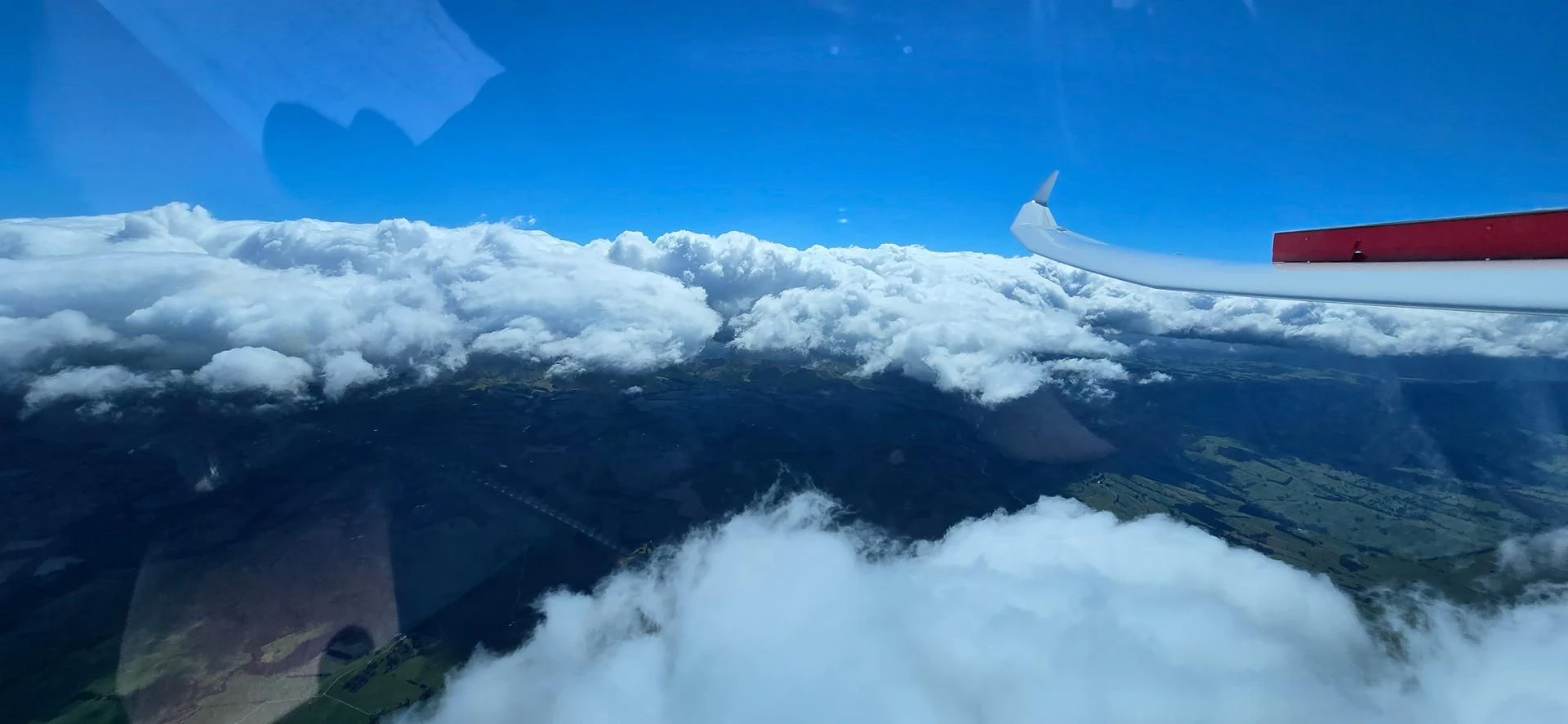
The 2026 Central Districts comp didn’t start out that well, with a tropical low bringing rain and some brutal winds to the lower North Island. I headed up on Tuesday into the first sunshine I’d seen in days and enjoyed a relaxing (delayed) practice day, scratching around in a couple of weak thermals and making sure everything worked.
Wednesday was the first task day and it became fairly apparent that, although there was the odd 4kt thermal to be found, most were considerably weaker and not aided by the damp paddocks and large areas of overdevelopment. Hey ho. On leg 1 to Takapau I met Michael and Tony in a 1kt thermal, hung in for a bit, then decided that the clouds upwind in the sun looked much better. Foolish boy. 10 minutes later I’m down to 1500’ AGL and discovering the 10kt SW that is churning up all the weak thermals. Takapau is a great place to land out; the paddocks are huge. I told Michael afterwards that I should have stuck with him and Tony. “You just would have landed out later,” was his response. A zero-point day.
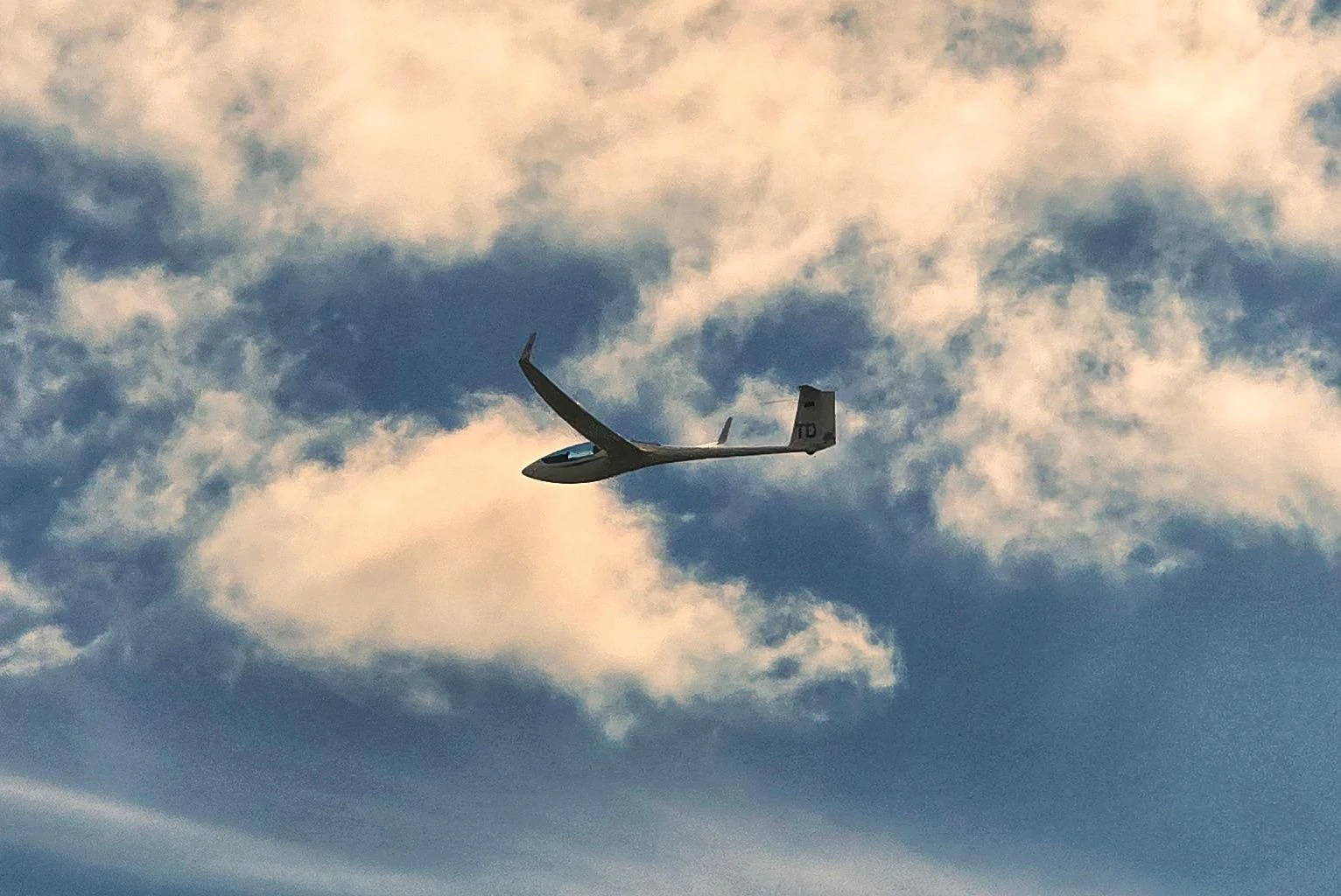
Thursday was a day of patchy westerly wave where only the really high cloud marked the short wave bars and, with nothing visible lower down to aid us, no task was set. Beach walks and icecreams beckoned.
Friday was a much ‘better’ wave day, with multiple visible wave bars. Avoiding Dannevirke airspace meant having some turnpoints further north under the descending radials of Napier airspace. Tows were to 4000’QNH, cloudbase was around 4500’ – 5000’ and we all found ourselves in fairly strong lift. No worries. Entering the start circle required going downwind to the next wave bar and, since all the bars topped out around the 9500’ airspace ceiling, the only option was to go back under the bar. It was rough.
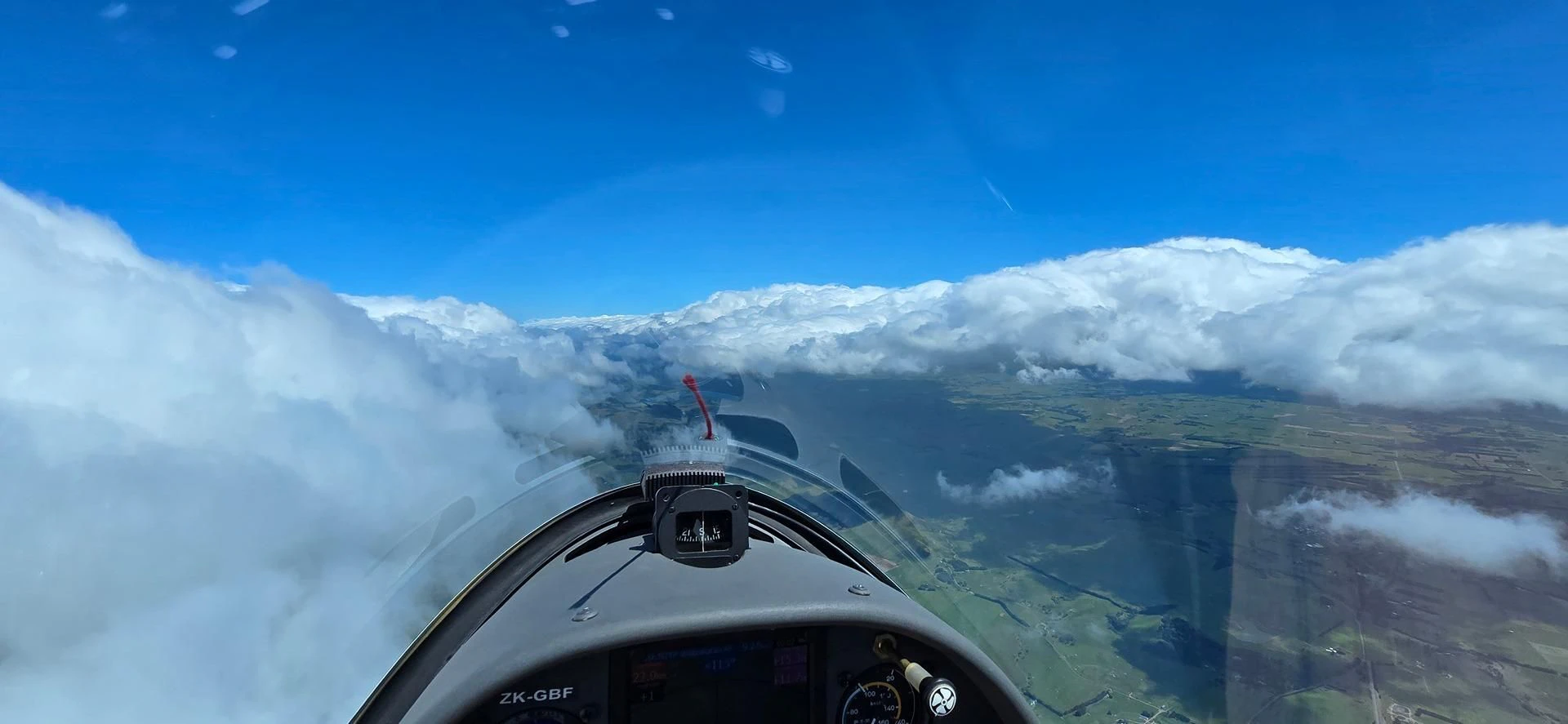
Being a mostly-flatland pilot, the only wave task I’d ever flown was at a Hood-based CD’s, completely in the blue and that was pretty benign. This was somewhat different but I told myself to just harden up and get on with it. Foolish boy.
Finding lift of 15kt+ is a problem when you’re trying to stay below an airspace cap or cloudbase. You can’t go faster in rough air and if you slow down to make airbrake extraction manageable, you go up. I’d like to say that my side-slips were intentional but the severe turbulence under the wave bars meant that co-ordinated flying, or even staying straight and level, was a rarity. I only just clipped the top turnpoint with a “Stuff this, I’m leaving.” I made frequent apologies to my glider for putting it through all this and for having to listen to my loud swearing.
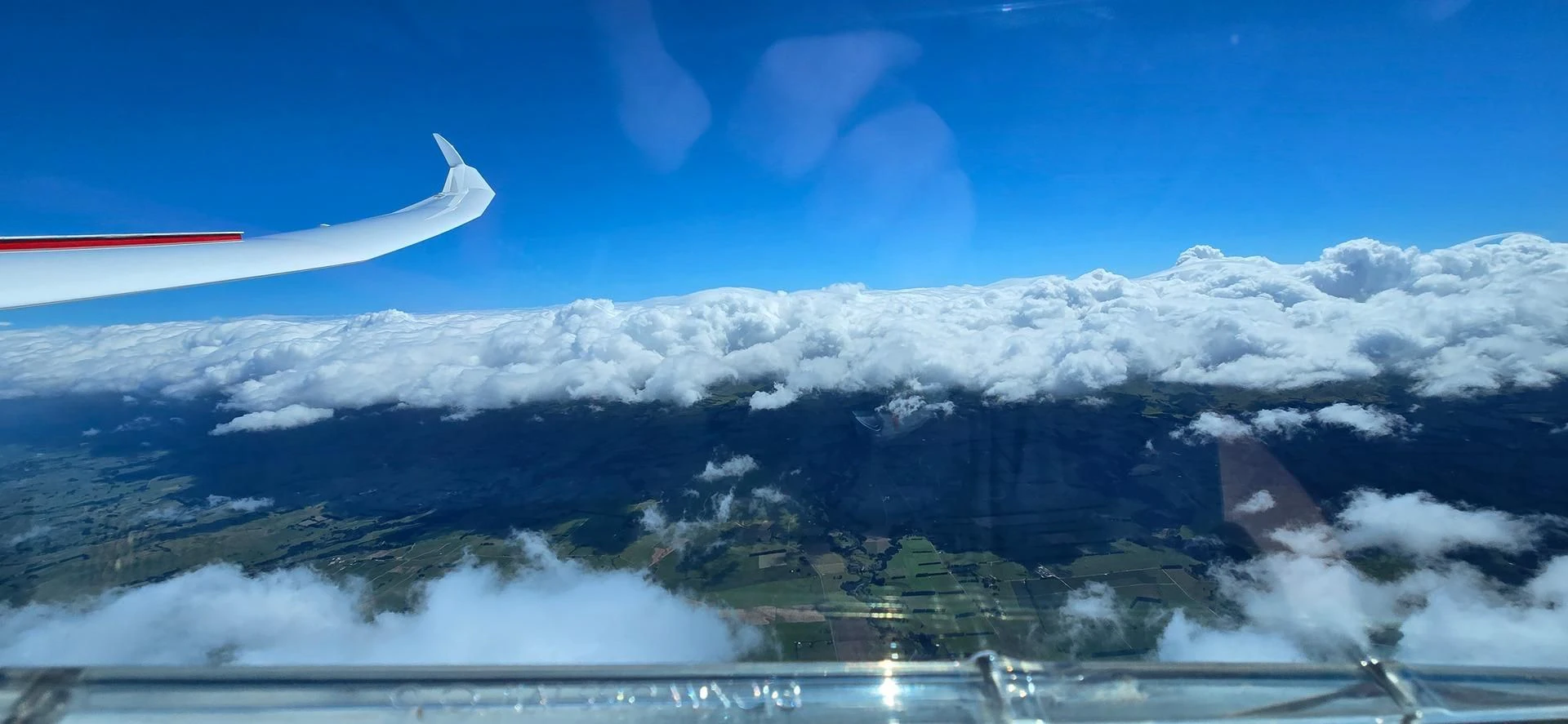
We all either got around or landed back. Every pilot emerged from their glider considerably whiter with some declaring that it was the worst turbulence they’d encountered in decades of flying anywhere. The mood in the clubhouse that night was … noticeably different.
Saturday was a relief: a day of convergences that stayed blue until mid-afternoon. Most of us got around. That meant only two days of actual points, so we couldn’t crown an actual champion. Nonetheless, Pat Driessen, Alain Marcuse and Graham Player went home with trophies in their respective classes and a (mostly) good time was had by all. And yes, I’ll be back next year. Foolish boy.
Keeping Training Records
From the desk of the NOO
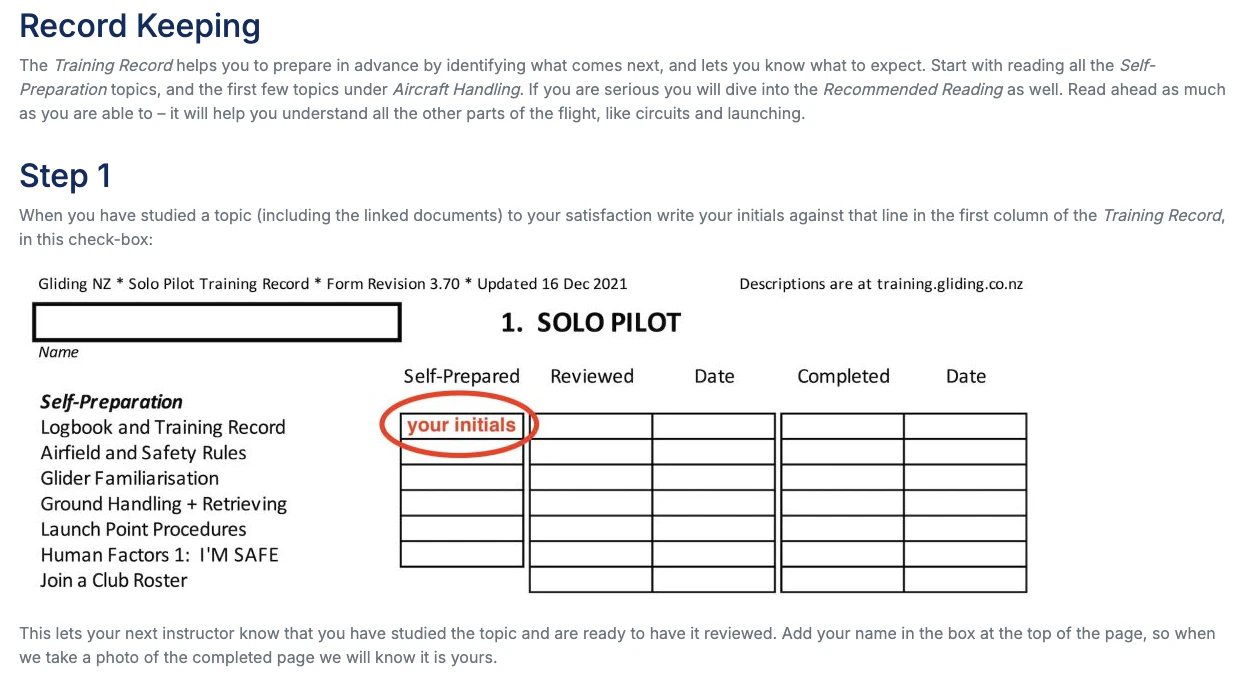
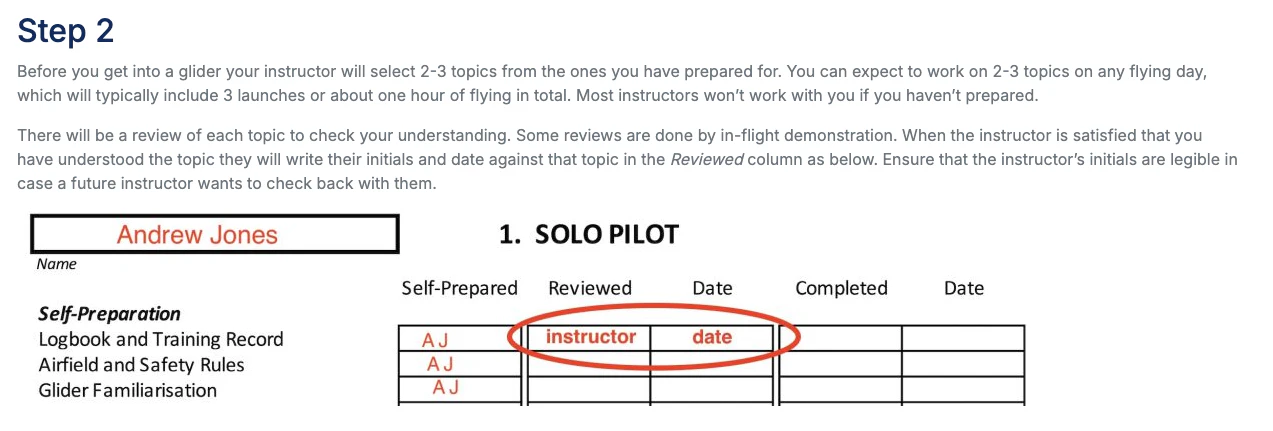
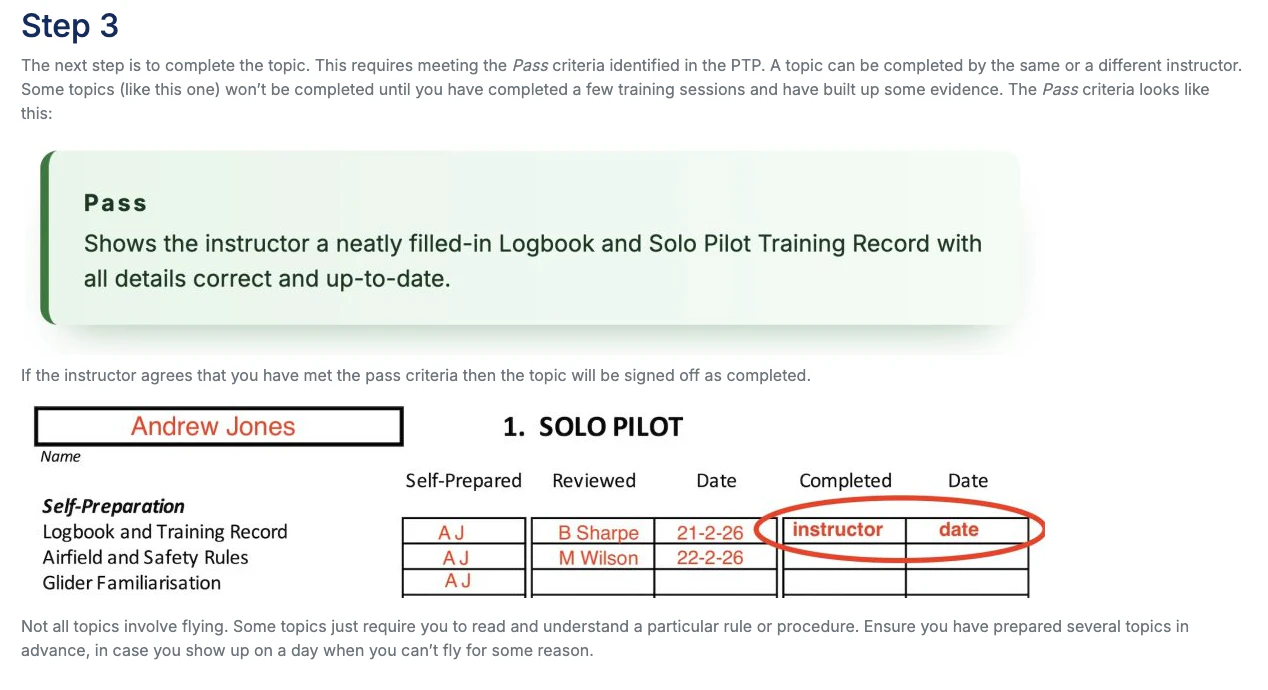
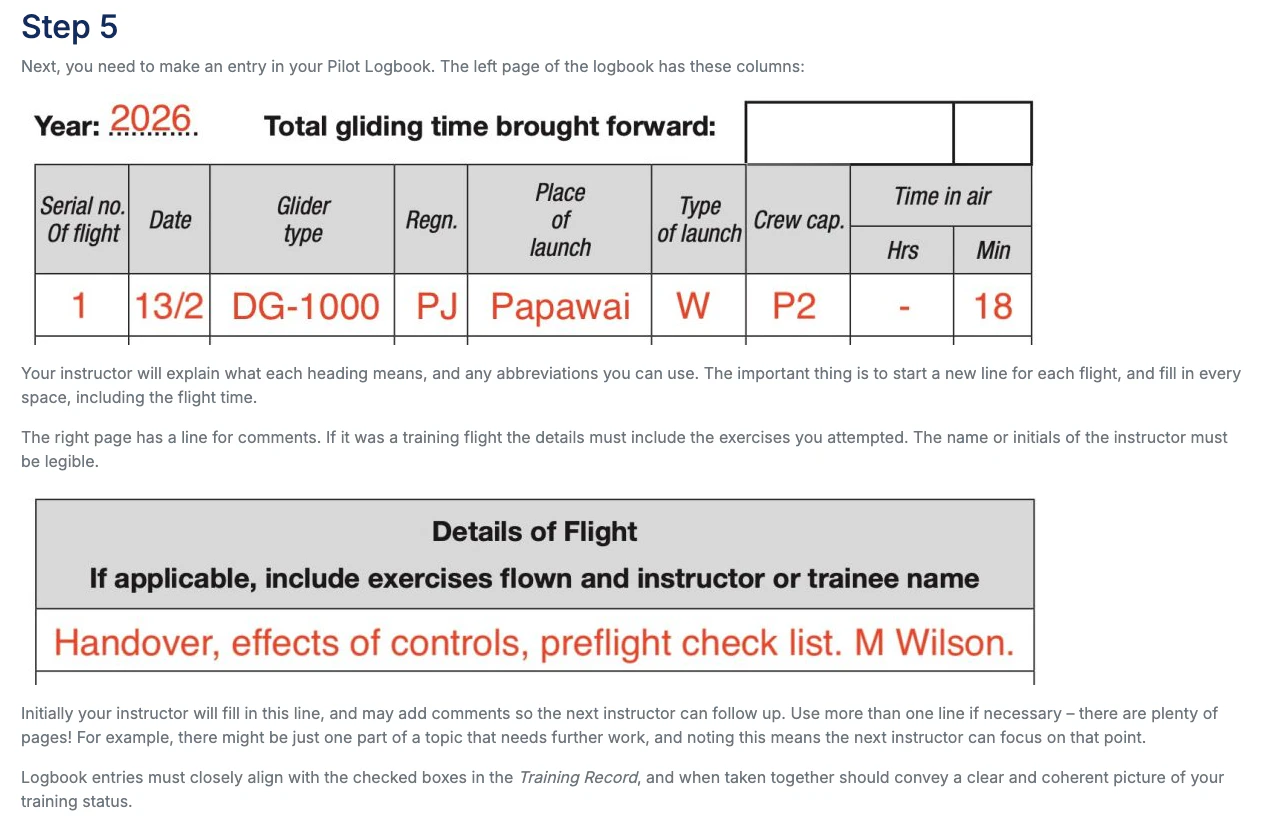
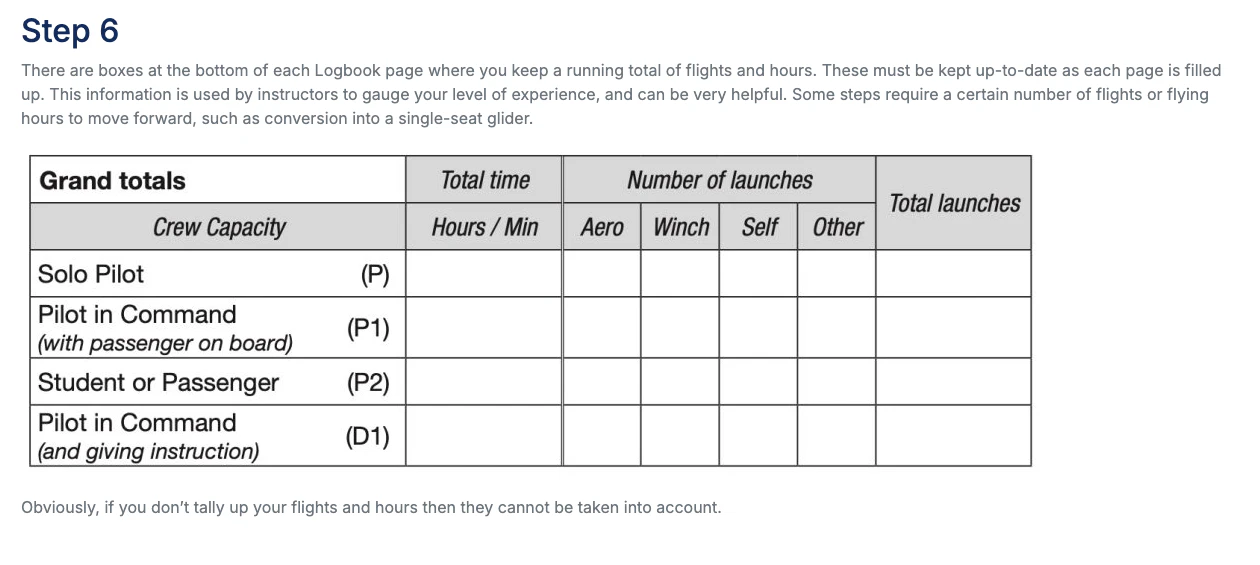
I'd like to remind pilots and instructors about the need to keep accurate training records. There has been a number of instances recently where record keeping was very poor. If an accident occurs investigators will want to know, pilot hours, number of flights, number of flights on type, currency and what has the pilot been trained in. It should be noted that;
- The CAA accepted, GNZ Pilot Training Programme (PTP), is the only accepted training programme that is to be used.
- Block signing off of large sections of this programme is not acceptable practice.
- Moving onto a next step of the programme, e.g. First Solo, convert to a single seater, cross country clearance, etc, with large sections of the previous step incomplete is not acceptable.
- Pilot logbooks should note exercises that have been carried out on a flight and dates should correlate with sign offs in the training programme.
- Club instructors should regularly audit pilot logbooks and training programme records to ensure accurate record keeping.
- Club instructor panels need to meet regularly and discuss student progress and compliance.
- GNZ will audit clubs on their pilot and club record keeping and CAA will in-turn audit GNZ on the same.
From the pilot training programme:

Events still to come
Enter now, even if you are unsure. It helps the organisers to organise.
Grand Prix-Matamata
Sat 7th Mar 2026 - Sun 15th Mar 2026
Competition - Gliding New Zealand - Matamata Full Details »
Springfield Enterprise Comp 2026
Come for the Flying, Stay for the Social Life
Sat 28th Nov 2026 - Sat 5th Dec 2026
The Springfield Enterprise Competition, run biannually by the Canterbury Gliding Club, has earned a reputation as one of the most enjoyable and well-balanced events on the New Zealand gliding calendar.
Springfield delivers rewarding, varied flying at the gateway to the Southern Alps. Tasks regularly take advantage of classic Canterbury conditions—strong wave, convergence, and technically interesting decision-making that suits both experienced competition pilots and those newer to enterprise flying. It’s serious gliding, but without the intensity that can sometimes dominate larger championships.
Just as important is the social side. Springfield is known for its relaxed, inclusive atmosphere—easygoing briefings, shared meals, hangar talk, and the kind of evenings that remind us why we enjoy travelling to fly together. Many pilots return as much for the people as for the flying.
For those travelling from further afield—particularly North Island pilots—Springfield also happens to fall shortly after the Omarama Regionals, making it a convenient opportunity to extend a South Island flying trip. But the Springfield Enterprise Comp stands very comfortably on its own and attracts a strong mix of local and visiting pilots every time it runs.
Whether you’re looking for quality tasks, a supportive competition environment, or simply a great week of gliding and social connection, Springfield delivers.
Signal your intentions now as entries are limited to 30 gliders. Entry via the Gliding NZ events calendar. https://canterbury.gliding.net.nz/events/canterbury-gliding-club-nz
From around the clubs
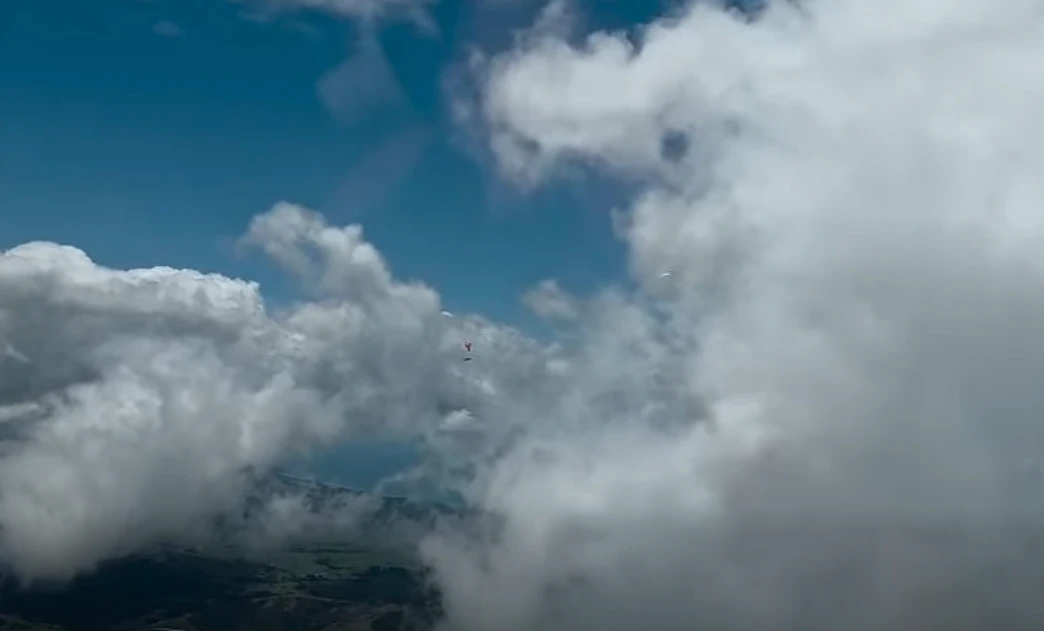
Kaikohe. Can you spot the paraglider in the northland convergence?
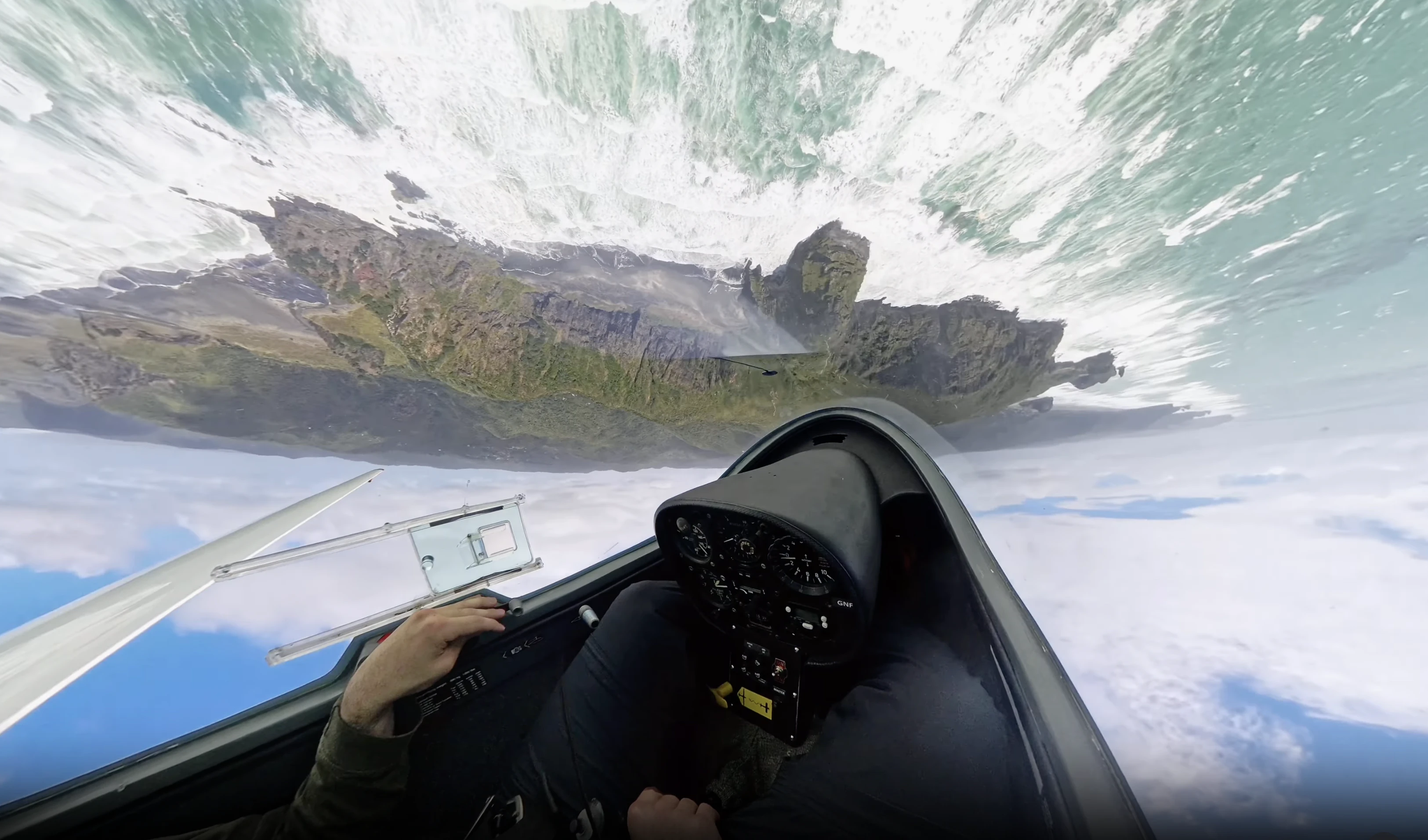
Aviation Sports, Whenuapai. Stunning photo while West Coast flying.
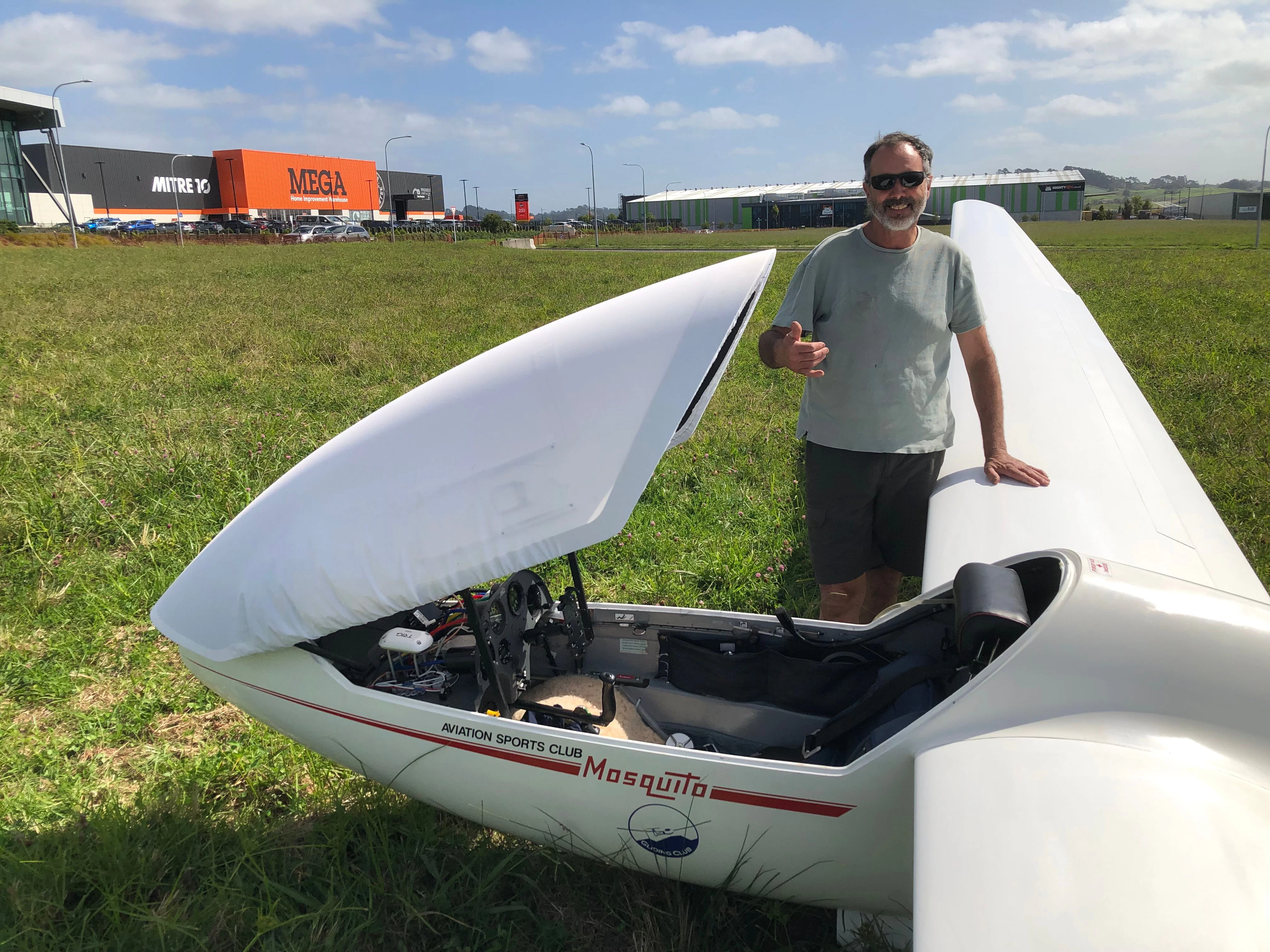
Craig Best needs some parts for his glider so flies to Mitre10 from Whenuapai.
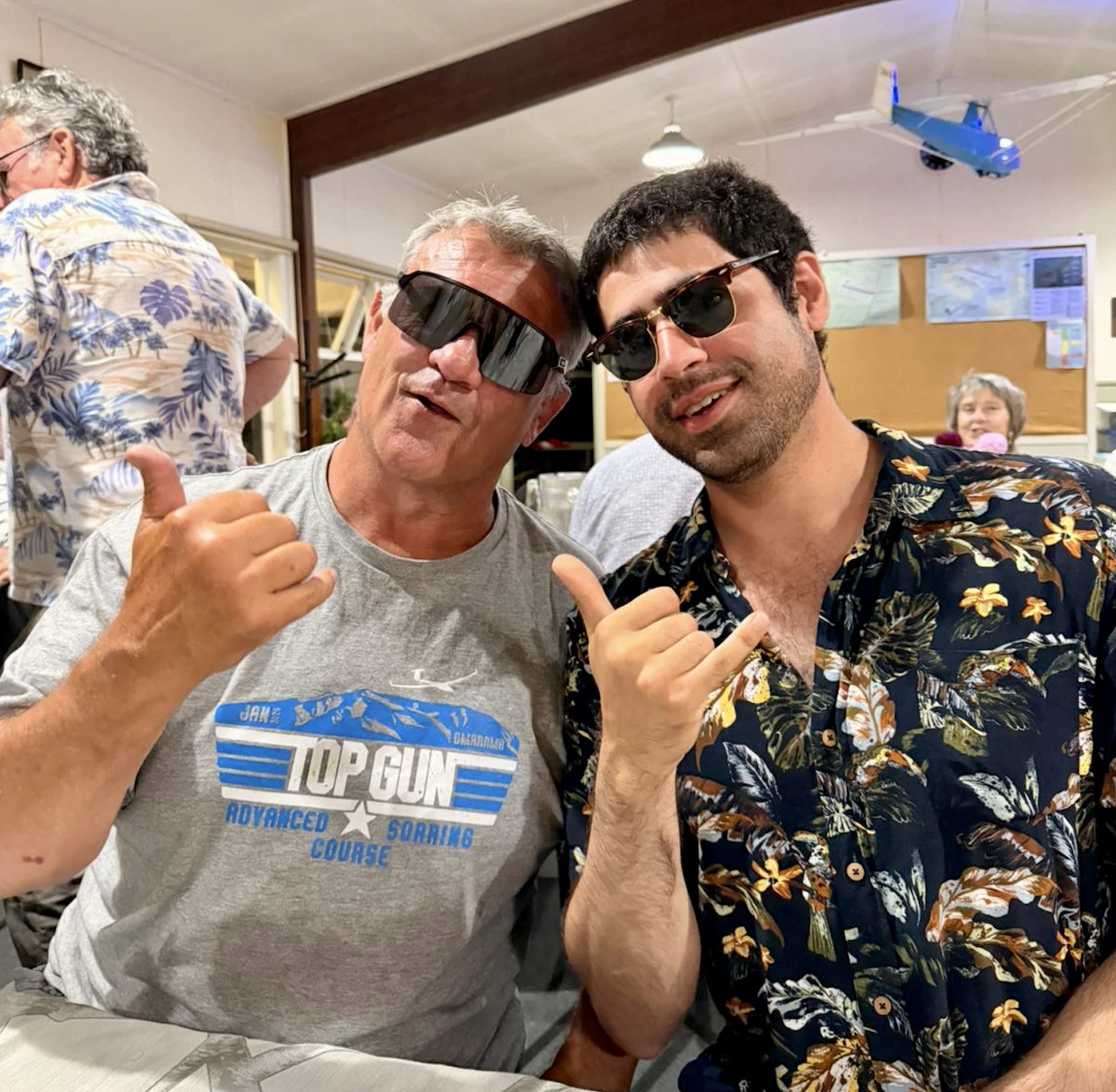
I wear my sunglasses at night. Dave and Alex from ASC at the Nationals final night dinner.
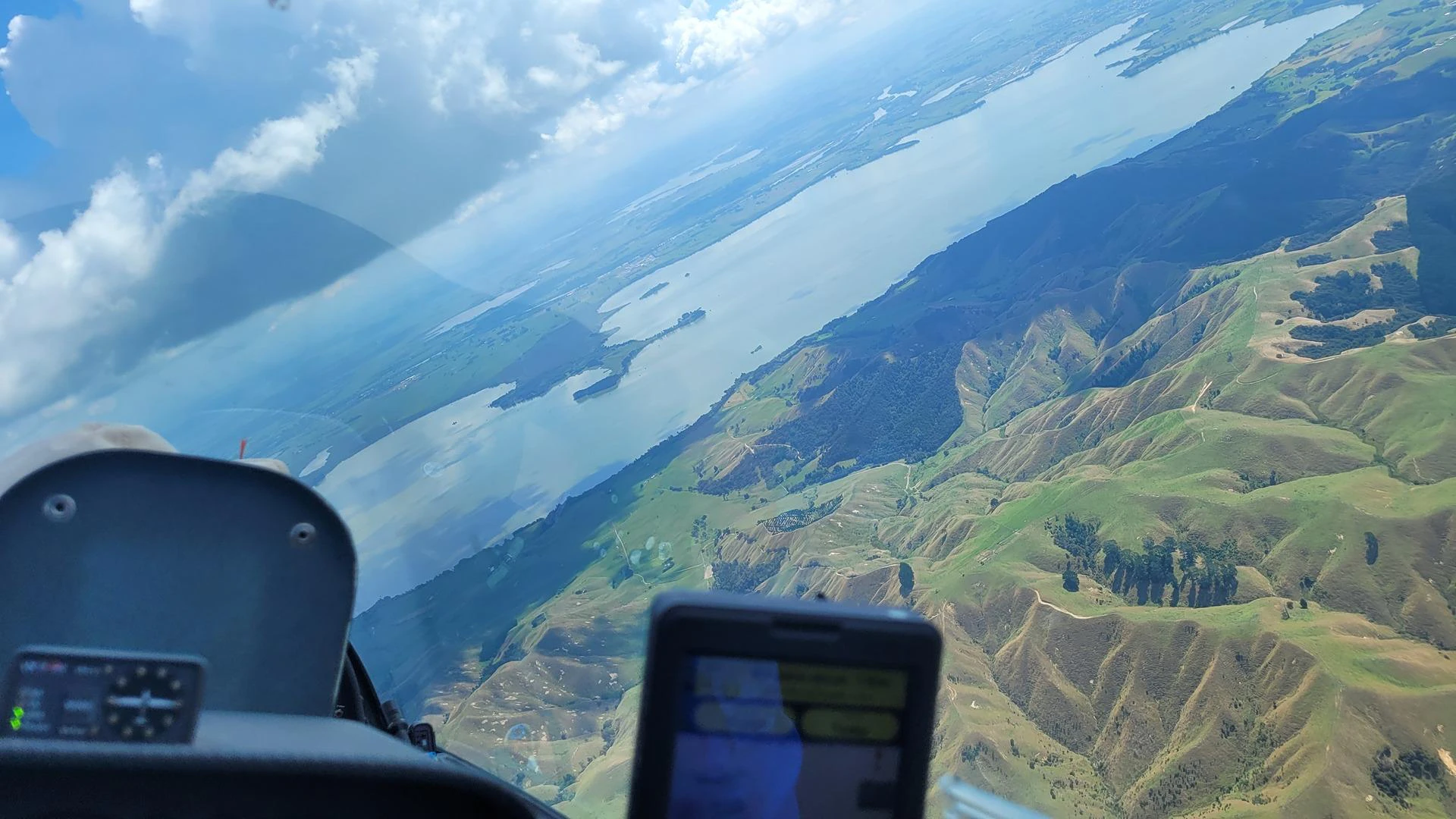
Auckland summer instructor Miha checks out Lake Waikare from the Waerenga hills.
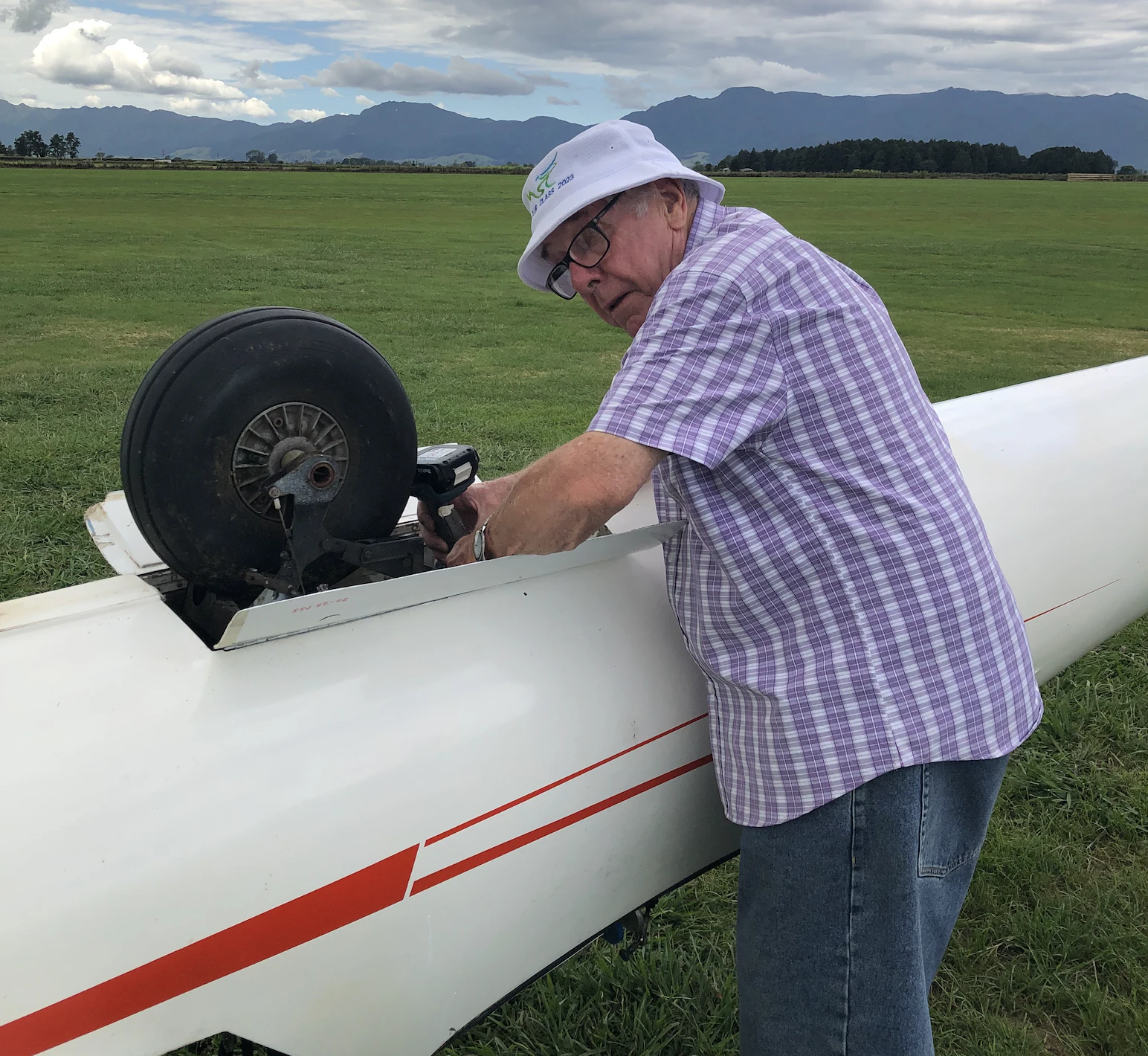
Piako member Rae Kerr underatkes open heart surgery on his glider during the Nationals
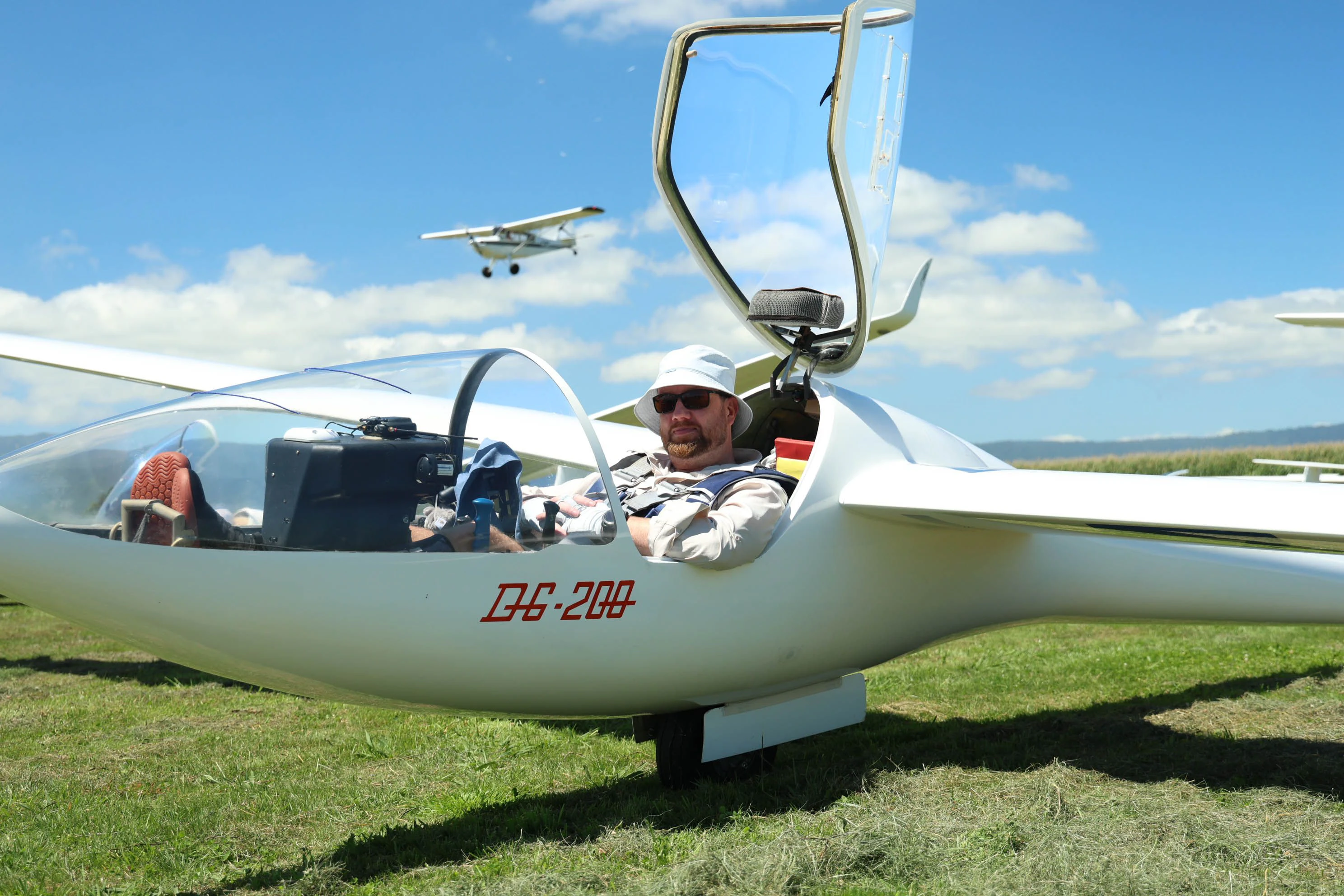
Nathanael Melia from Piako waiting on the grid for a tow at the Multi-Class Nationals.
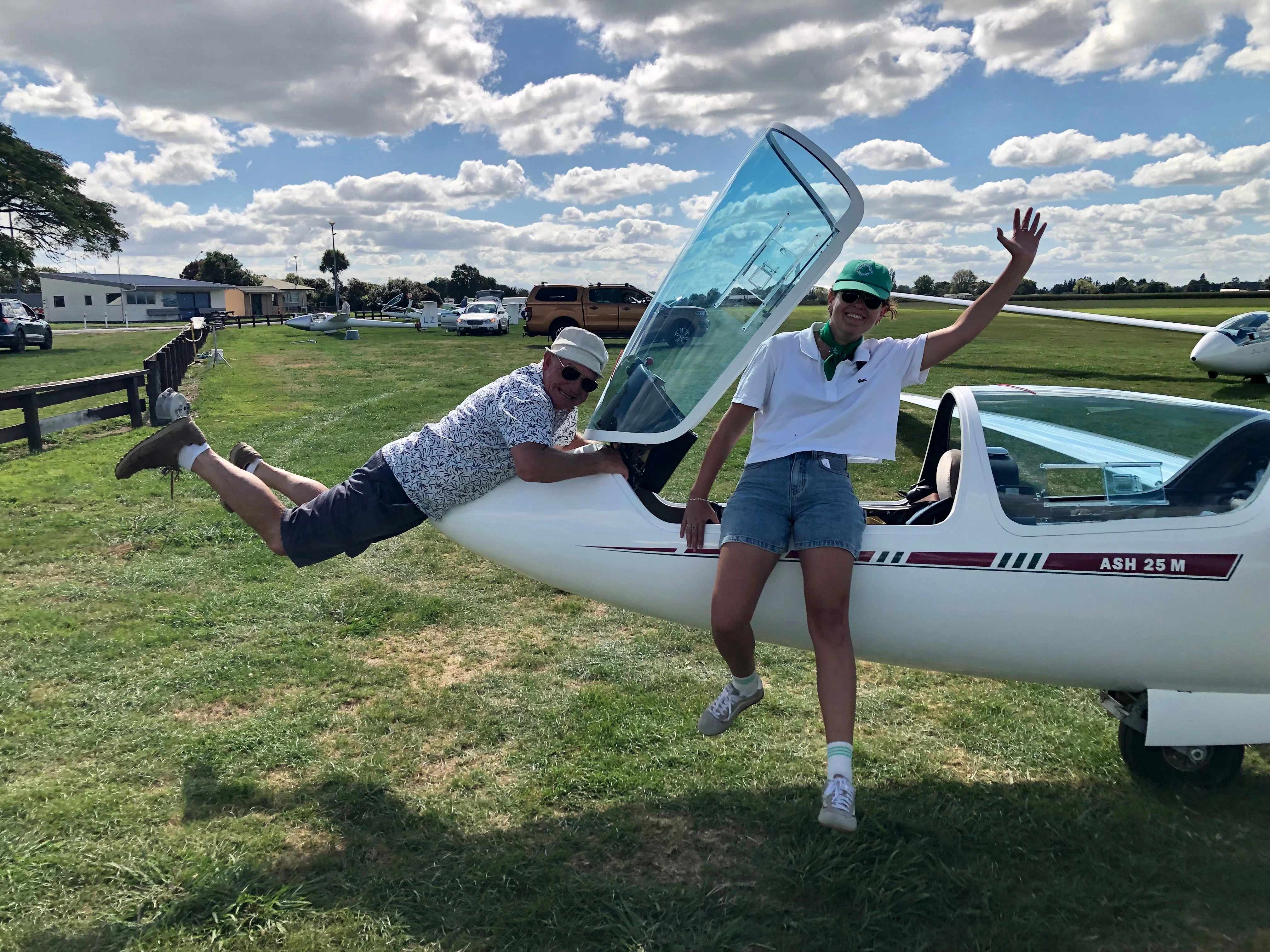
Terry Delore shows German gliding You Tuber, 'Juliet Sierra' how to Hang 10 in a glider
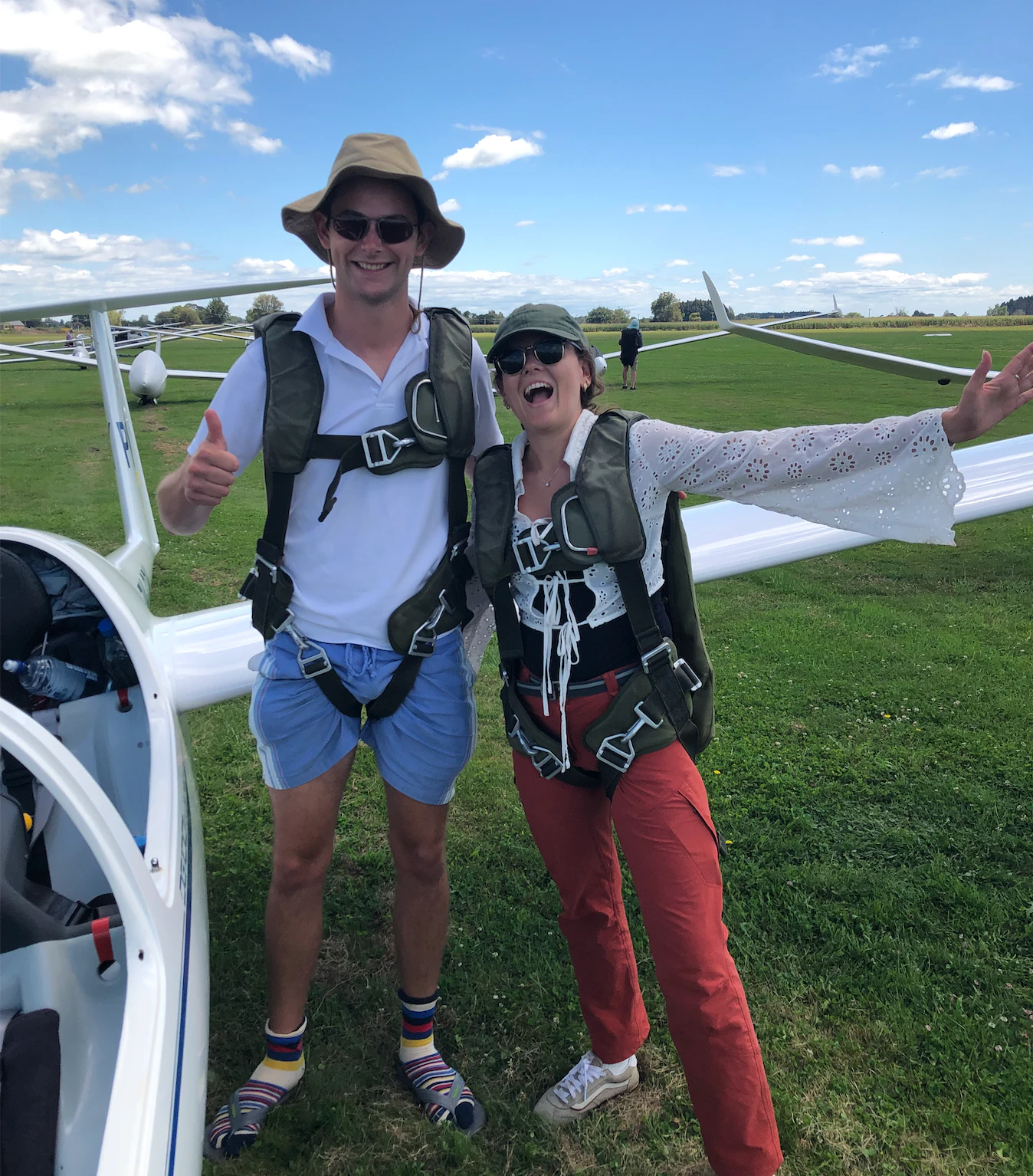
Juliet with English instructor George Downing
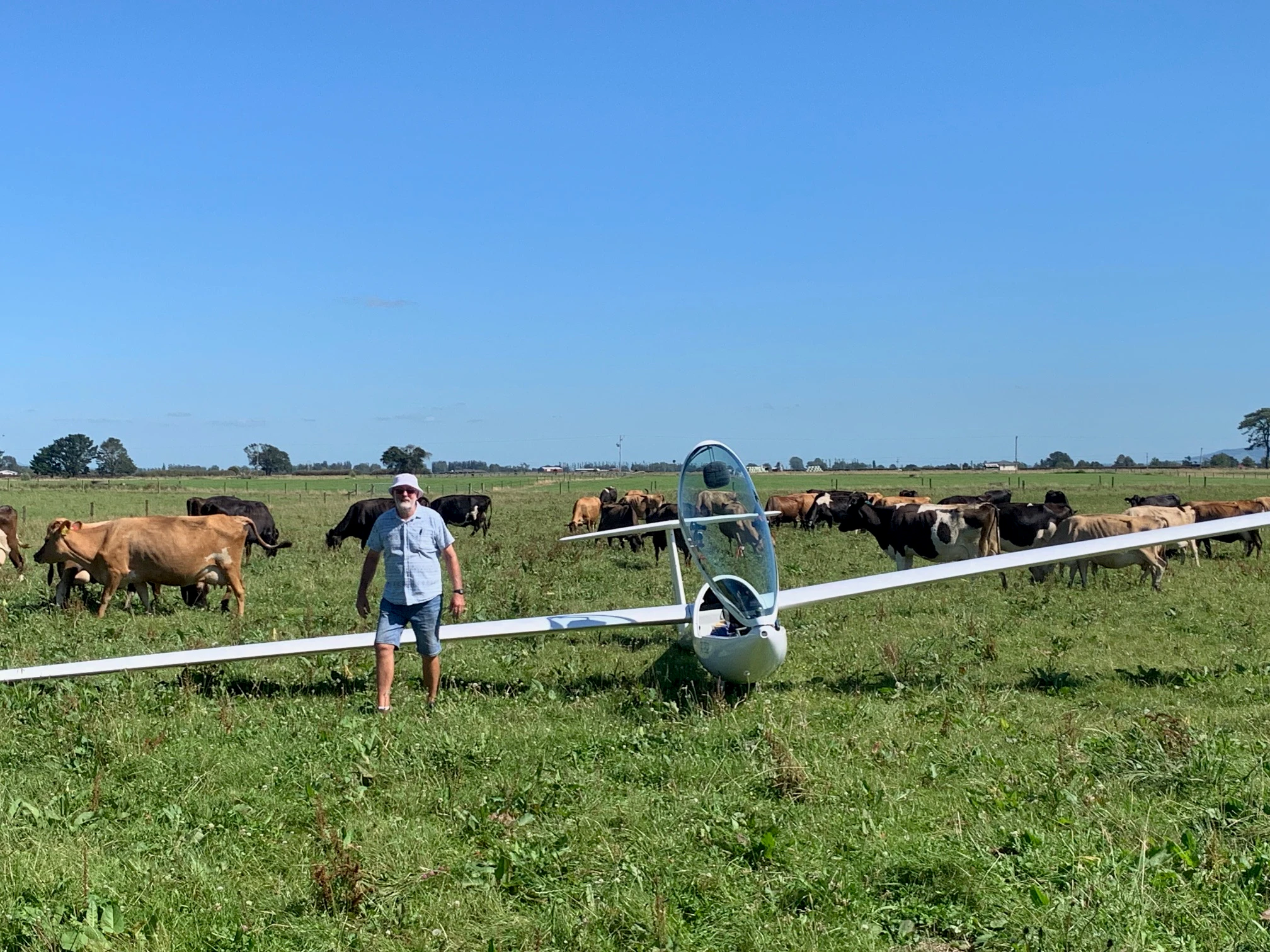
Ross Perry from Taranaki lands out in a cow paddock.
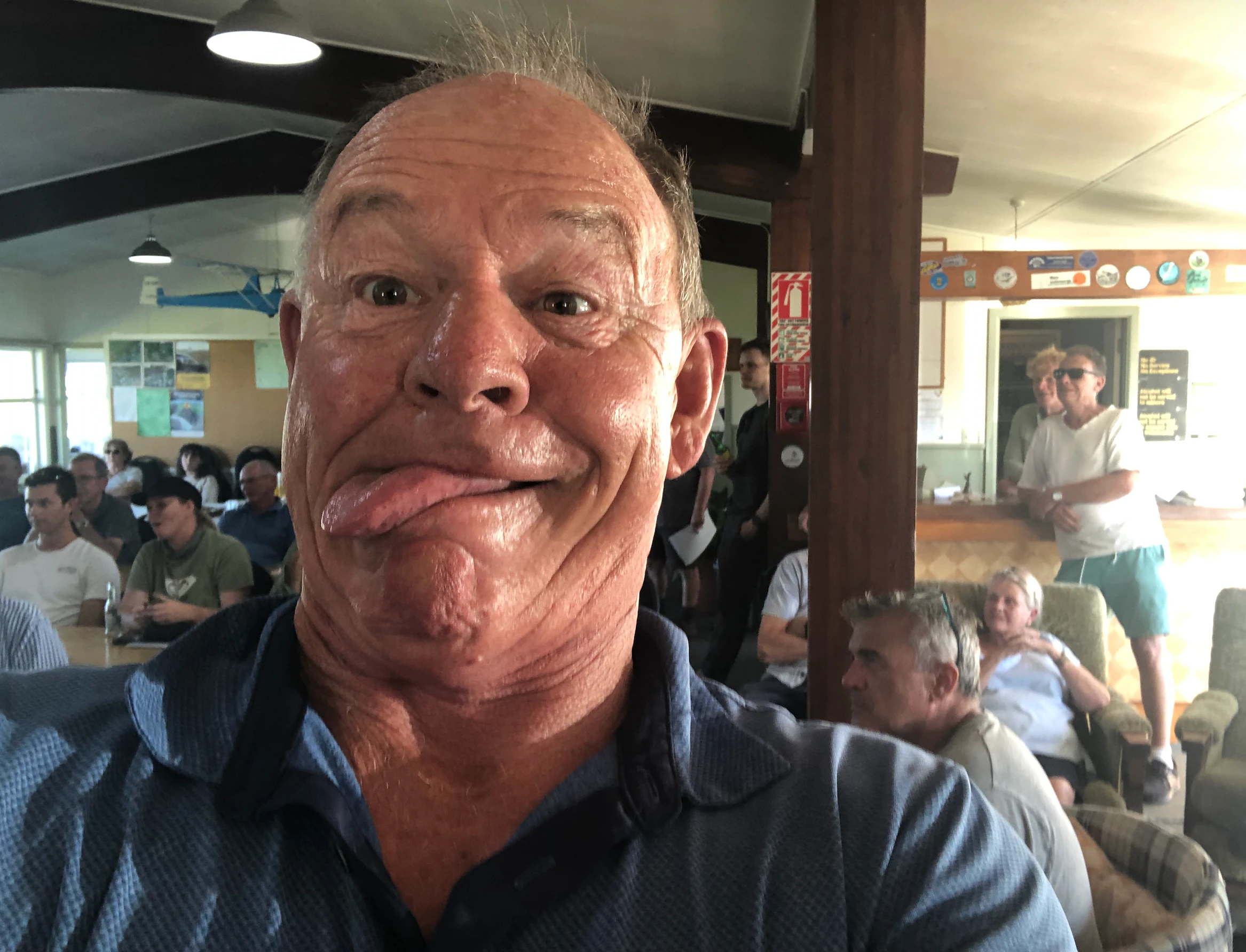
When you leave your phone at briefing where Terry Delore can find it.
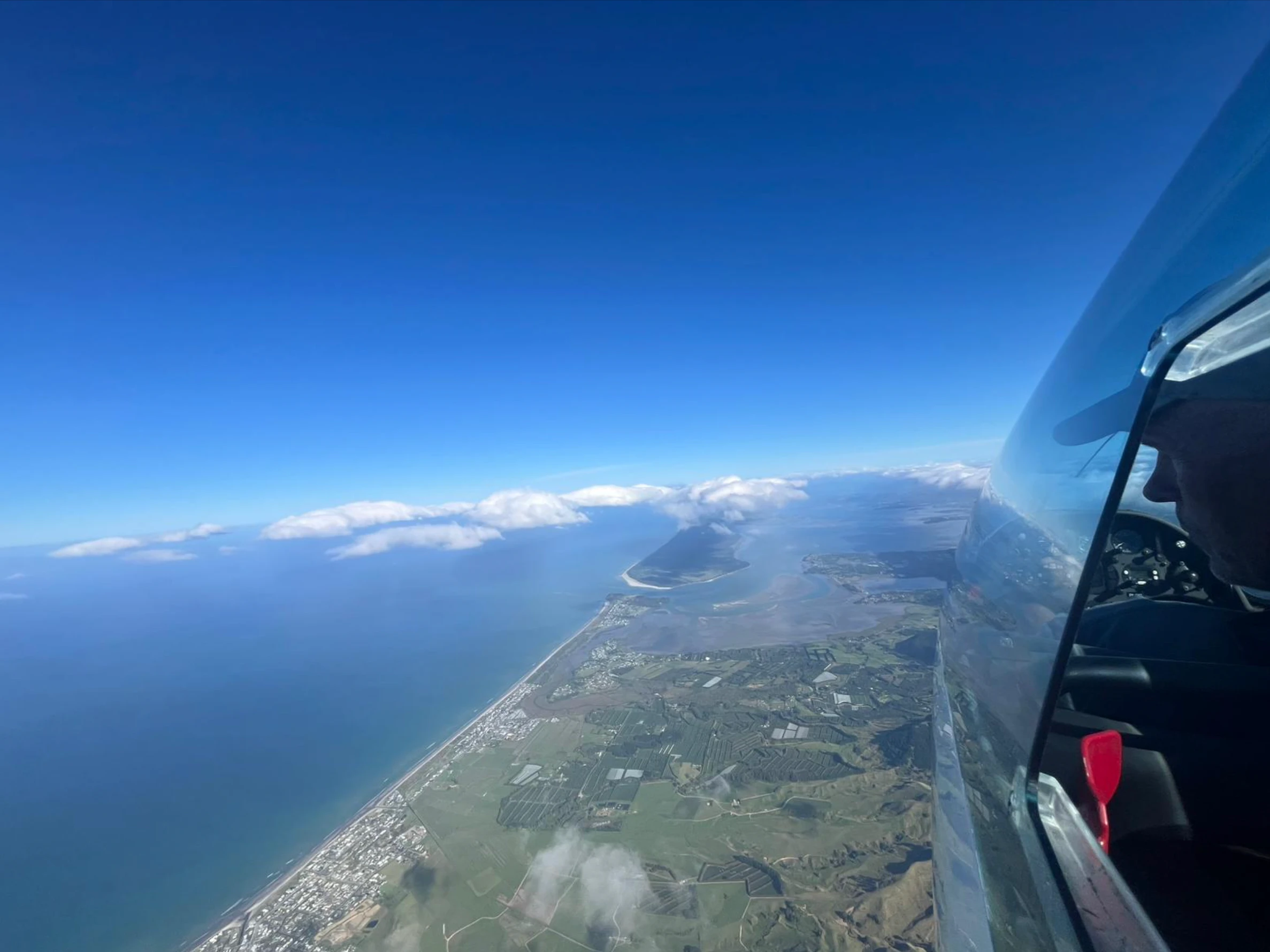
Tauranga wave flying, Ben Sly & Ross Scholes
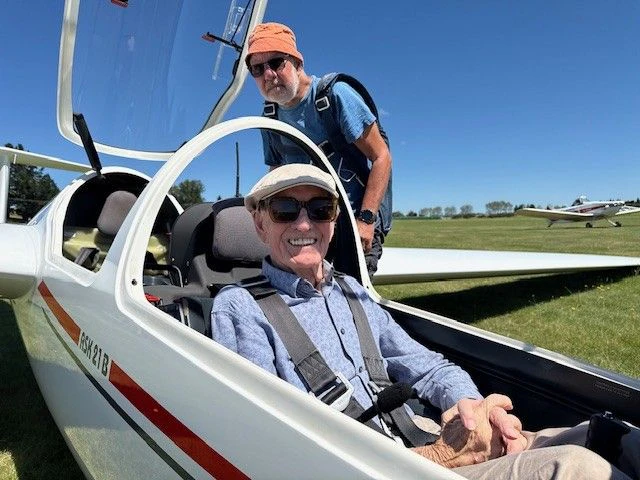
Tom Anderson, Taupo GC and GNZ legend, enjoying a flight at 92 years young.
The grid on a nice day at the CD gliding champs.
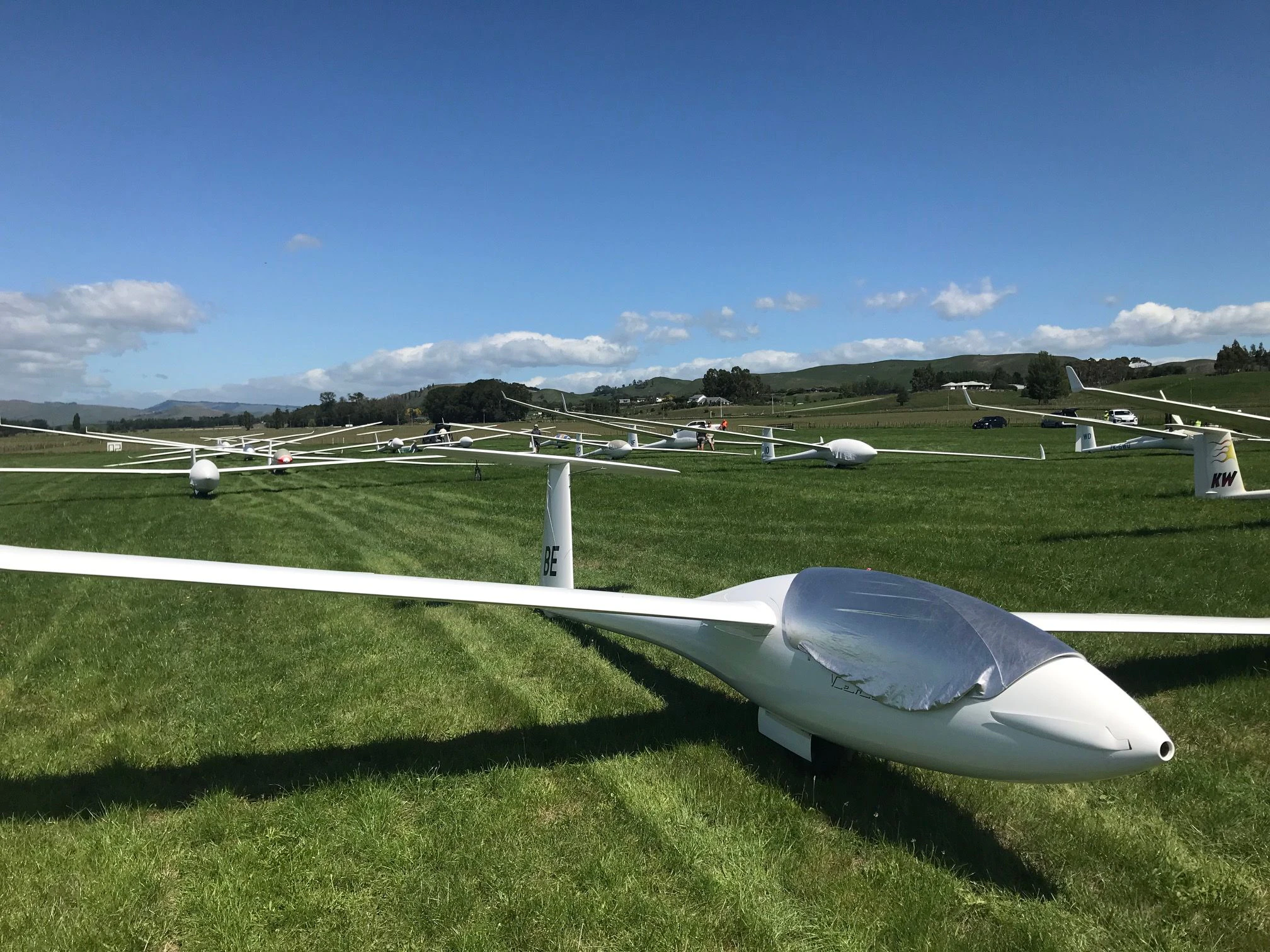
Cool pic from Bruno at Wellington / Wairarapa. You could frame that!
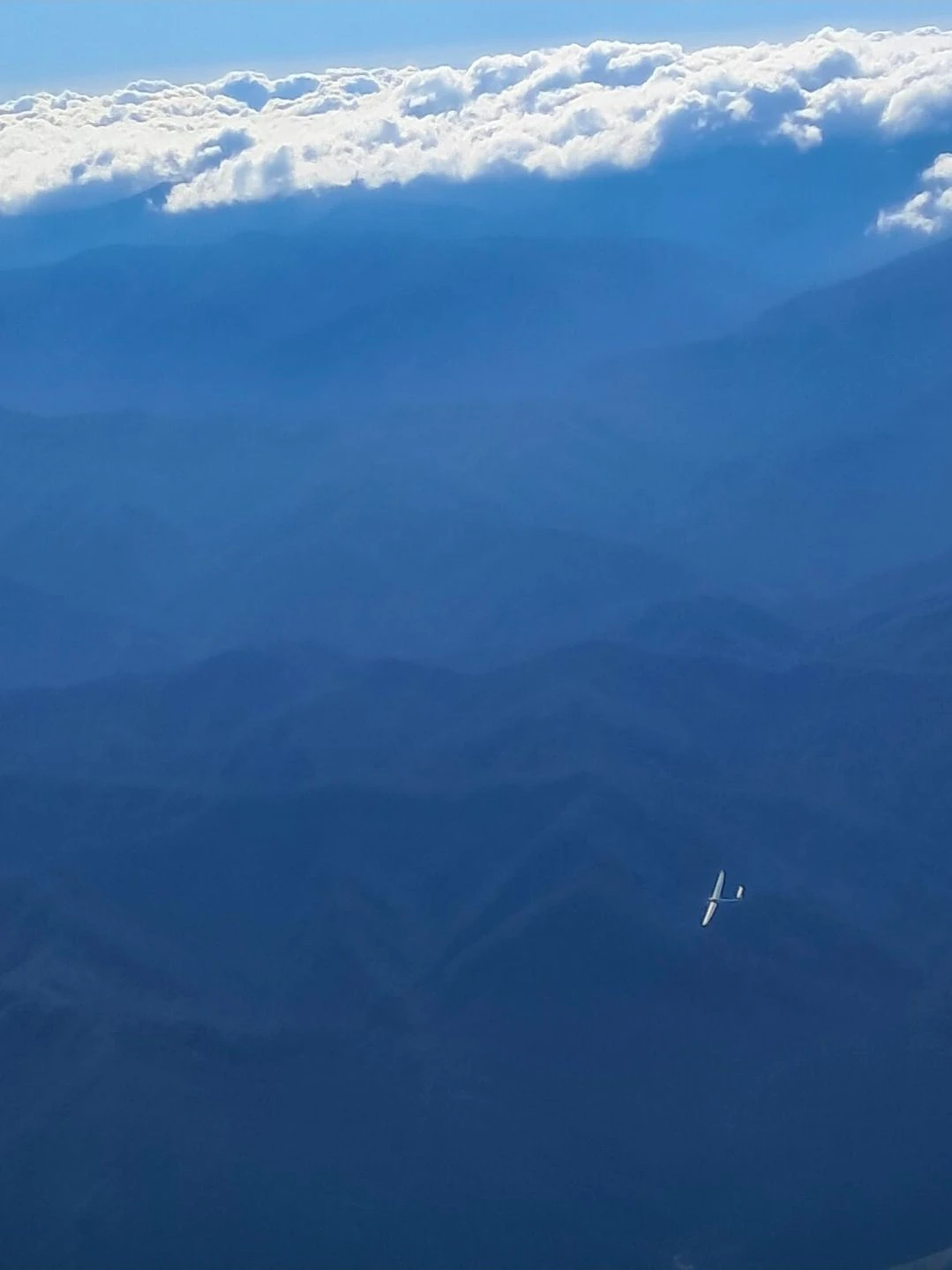
Juliet heads to Omarama. You can follow her Instagram
https://www.instagram.com/juliet.sierra/?hl=en

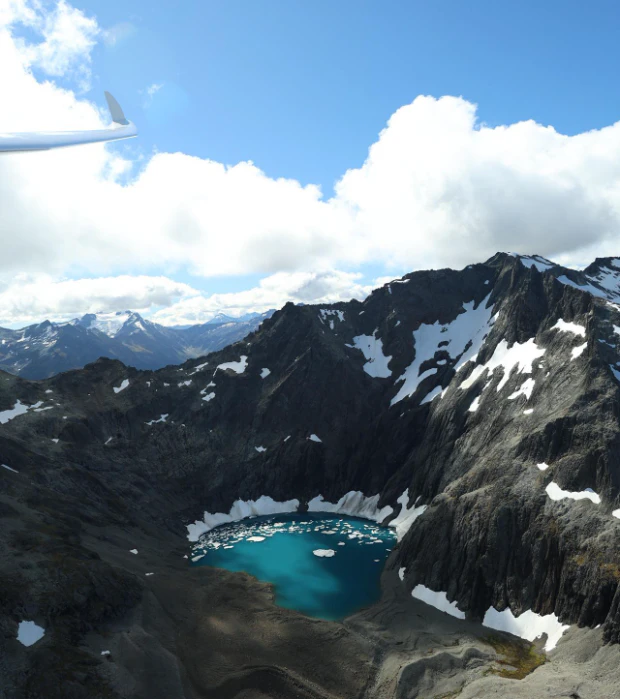
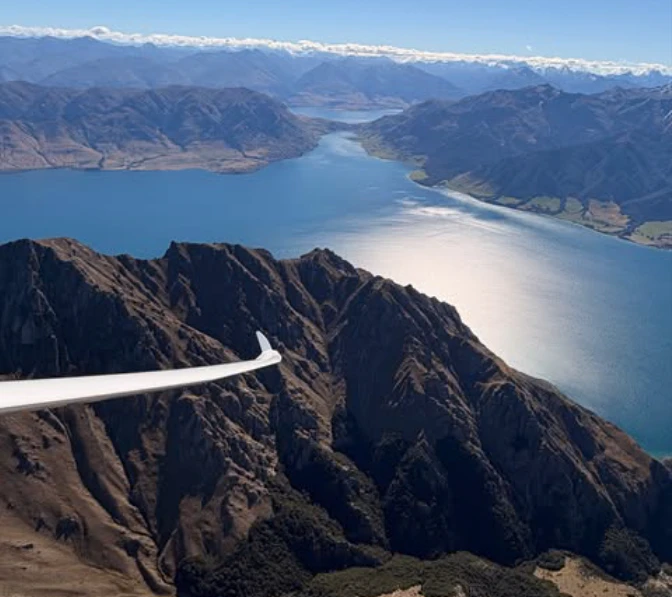
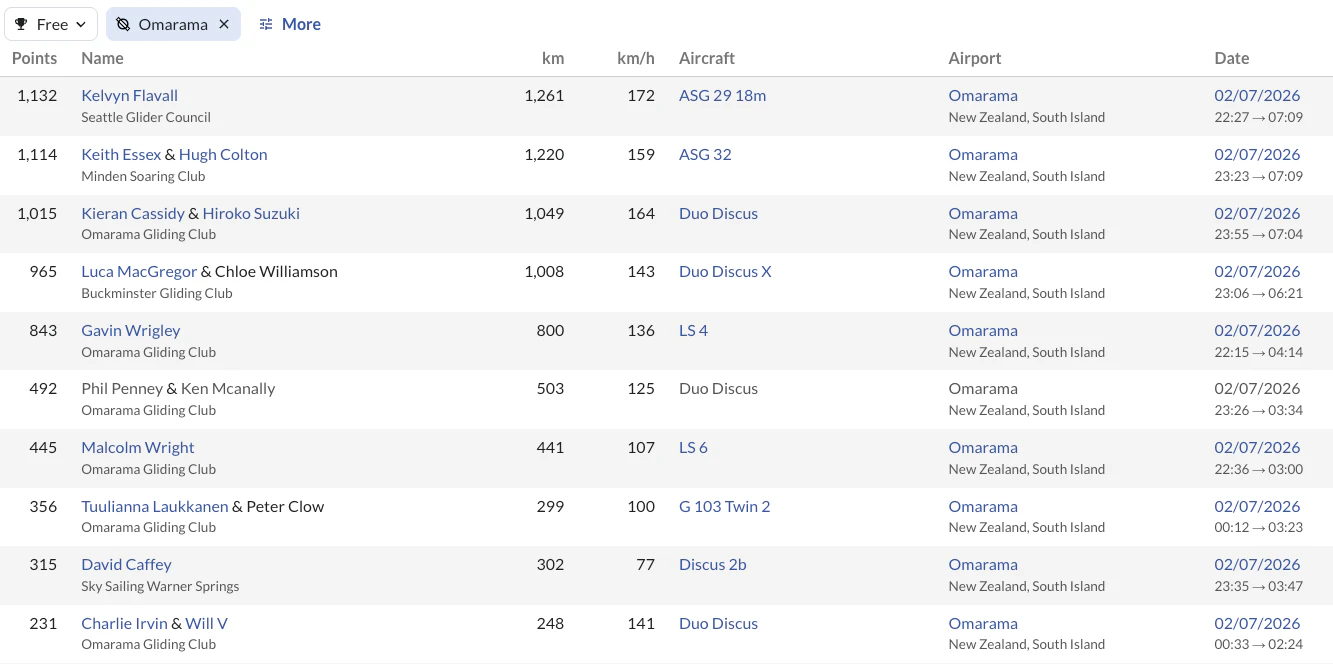
4 x 1,000km plus flights from Omarama in one day!
What has V.K. been up to?
Lee Middleton reflects on a great day at the Vintage Kiwi Meet at Matamata
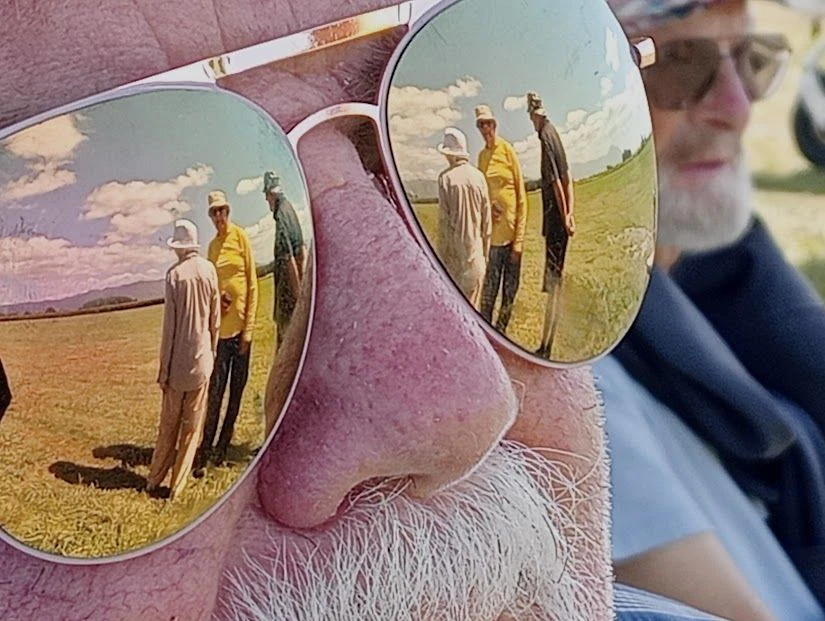
The highlight for the Vintage Kiwi club during February was the annual rally – this time held at Matamata Aerodrome.
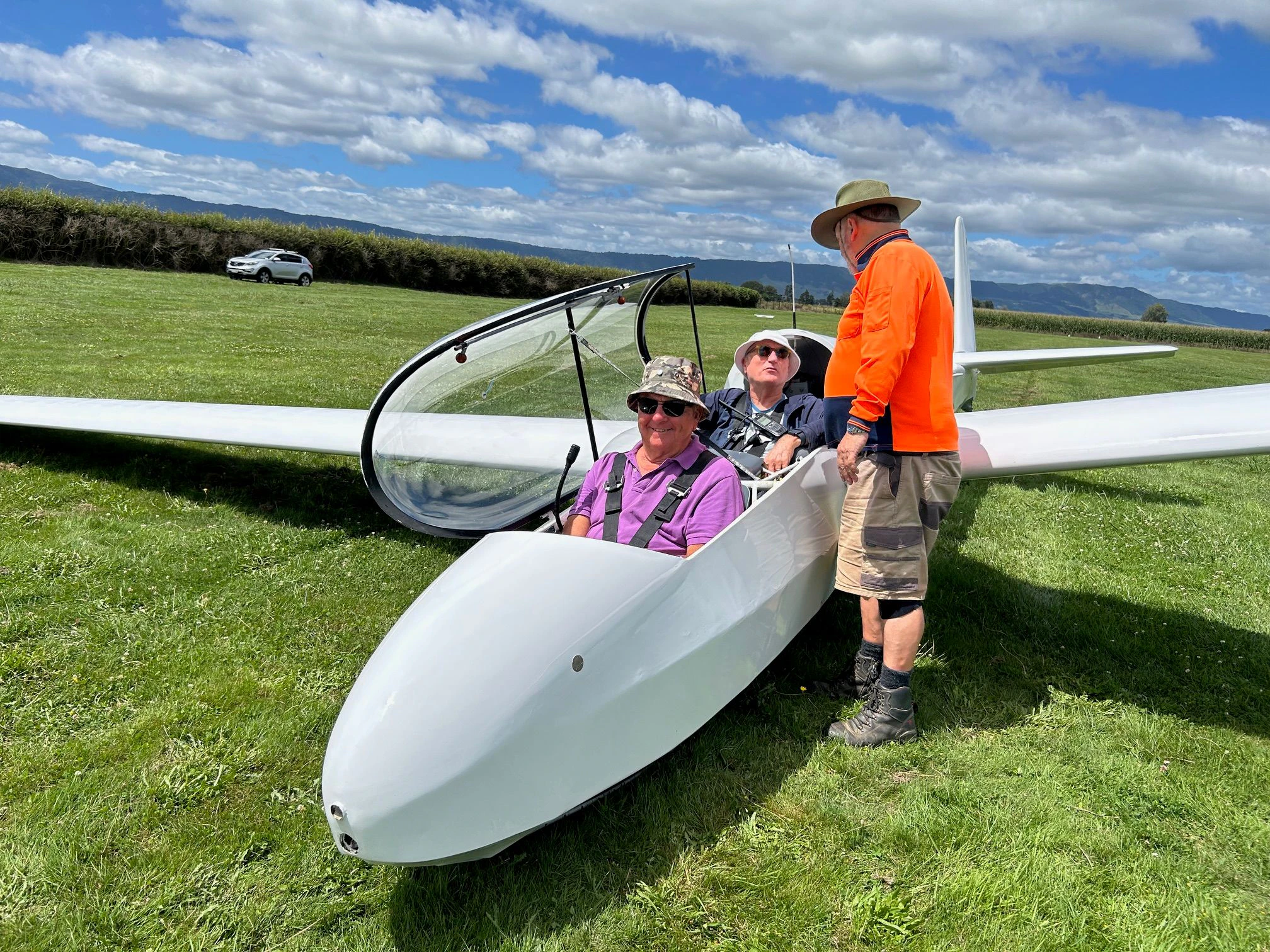
The lowlight was the weather, which was quite unpredictable leaving no-one immune to some very short or unexpected flights but then, that’s what gliding is about. Go with the flow and aim for the best. One day the longest flight was by Alex, a young French backpacker travelling New Zealand with his girlfriend. He showed his homeland gliding prowess by taking our recently acquired Ka8 GLE for a 77 minute downwind sojourn when the pundits flying at the same time were dropping like flies. However later in the week we experienced some great winch flights as well as some Kaimai ridge flying.
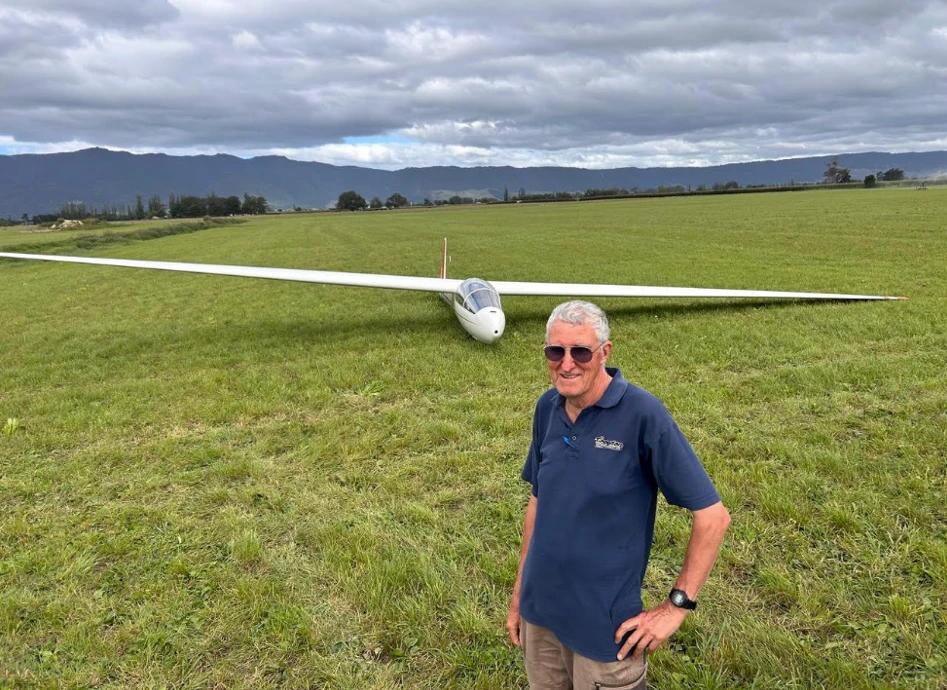
On one occasion a glider didn’t get home from the ridge. Derry Belcher landed his 45 year old home built Briegleb BG 12-16 GMR on the well-known and spacious “Goat Farm”. Looks long enough for a tow out!
As always, the club’s AGM was held one evening and the existing committee was re-elected unopposed. With two gliders in our fleet now hopefully we will see an increase in flying opportunities. Another annual tradition is a restaurant meal for pilots and spouses. Again, numbers were up with 28 folk spending a pleasant evening at the Horse and Jockey restaurant.
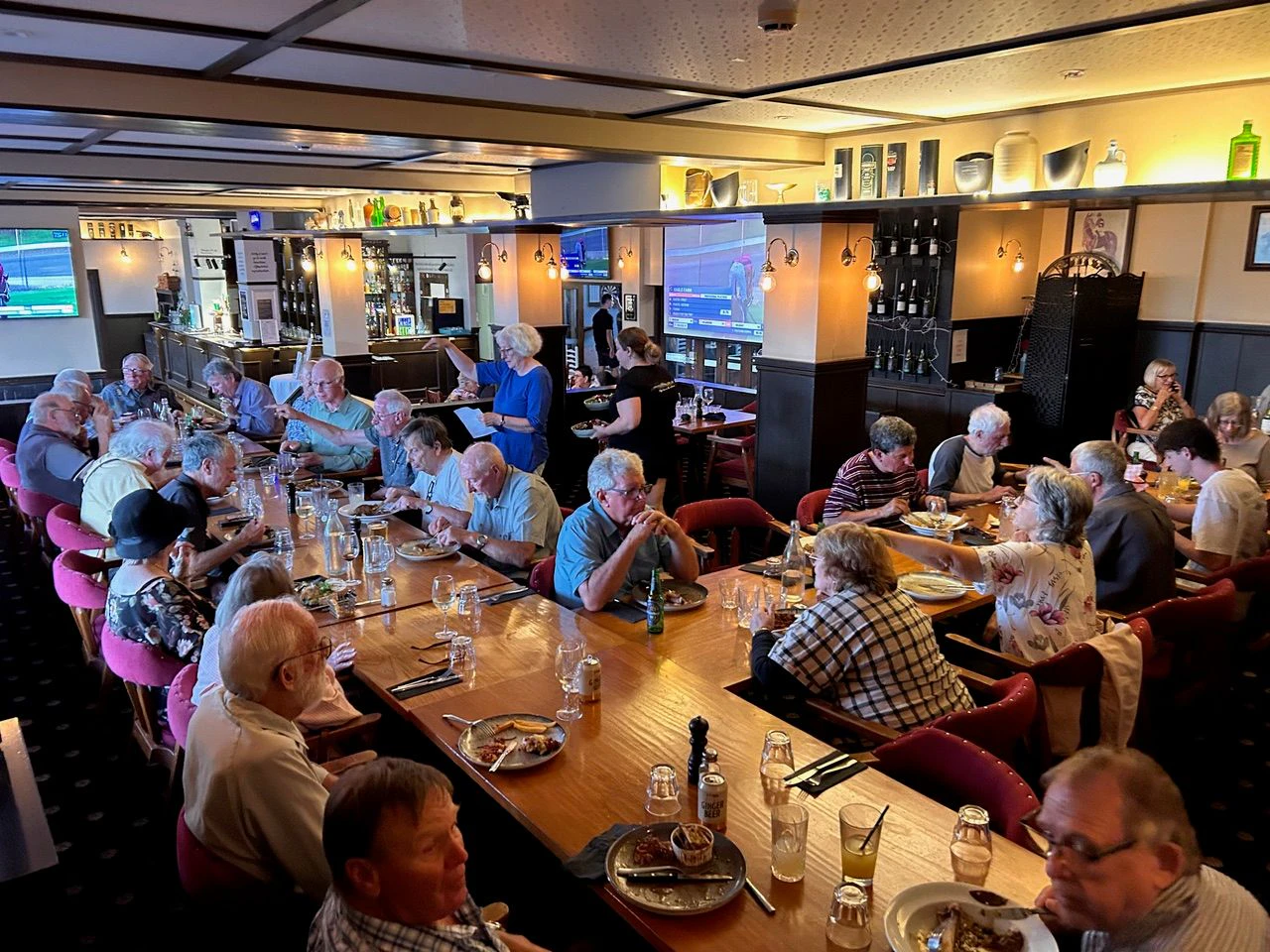
On a positive note, we have seen an increase in club membership. As an aside, in the early post-war years, gliding was not taken seriously by the majority of airline pilots. Times have changed. By way of example, of the 20 or so members attending at least three are current or retired airline captains. With gliders now regularly climbing above 20,000 feet and regularly reaching 300+ km distances, the aviation fraternity has come to realise that gliding is a force to be reckoned with and just maybe something to add to the logbook.
Two gliders regularly “keeping up appearances” are Ka6Pe GBU and Mosquito GKT. The photograph was taken at the 2022 rally at Masterton. This year their flying was shared by Ray Burns and Andrew Fletcher who fly with the Aviation Sports Club at Whenuapai.
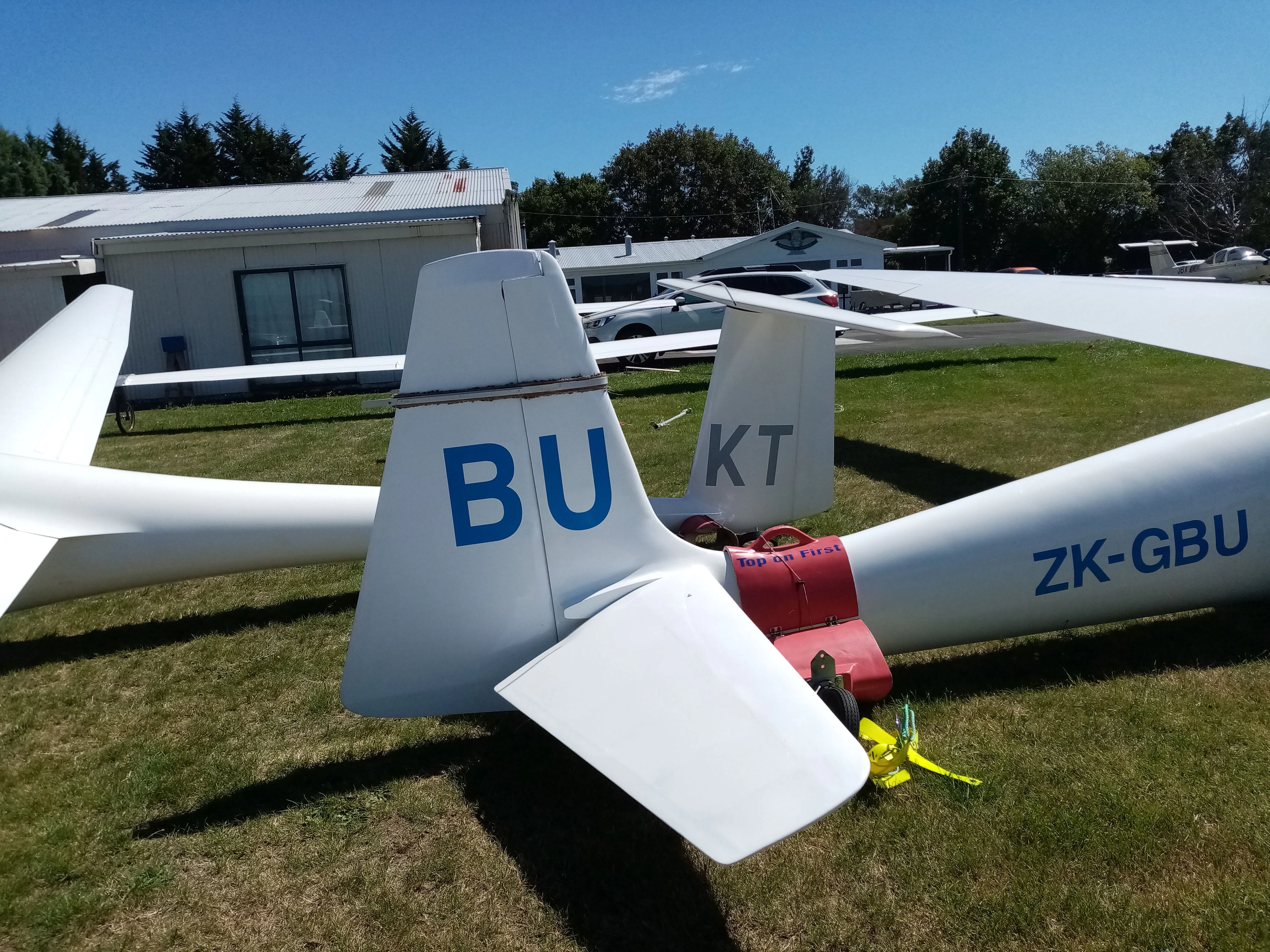
The beautifully restored K6, with an all-moving tail-plane, holds the distinction of being the second glider to glide across Cook Strait. This, and the first one, Skylark 2 GAS were flown by Keith Wakeman in 1957 and 1964 respectively.
Despite the uncharacteristic weather a great time was had by all and that would not have been achieved without the faithful assistance provide by our regular tow pilot Jim Lyver in his Foxbat LFD.
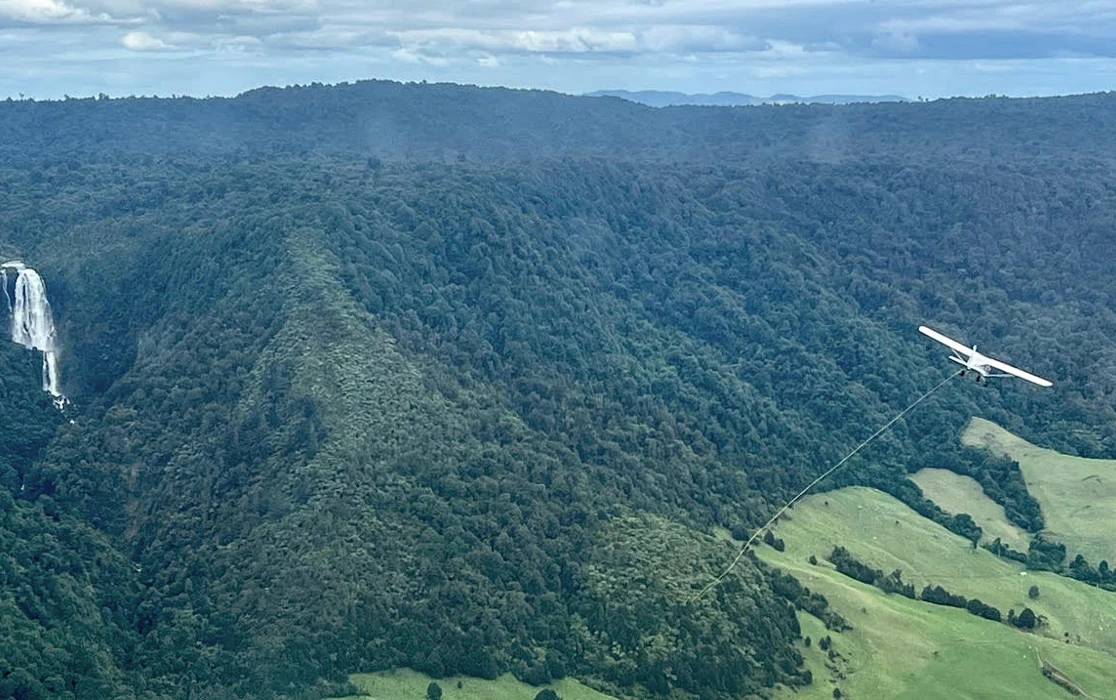
Thanks are also due to the Piako Gliding Club for providing their BRM Aero Bristell towplane appropriately registered TOW and tow pilots, to supplement the Foxbat and also for providing us with their winch one day to launch our K-13 GFX.
Where to for the 2027 rally? Watch this space.
Meantime the club will be evaluating the future of the SHK-1 GFJ and the EoN Olympia GAA residing in a Vintage Kiwi syndicate-owned hangar.
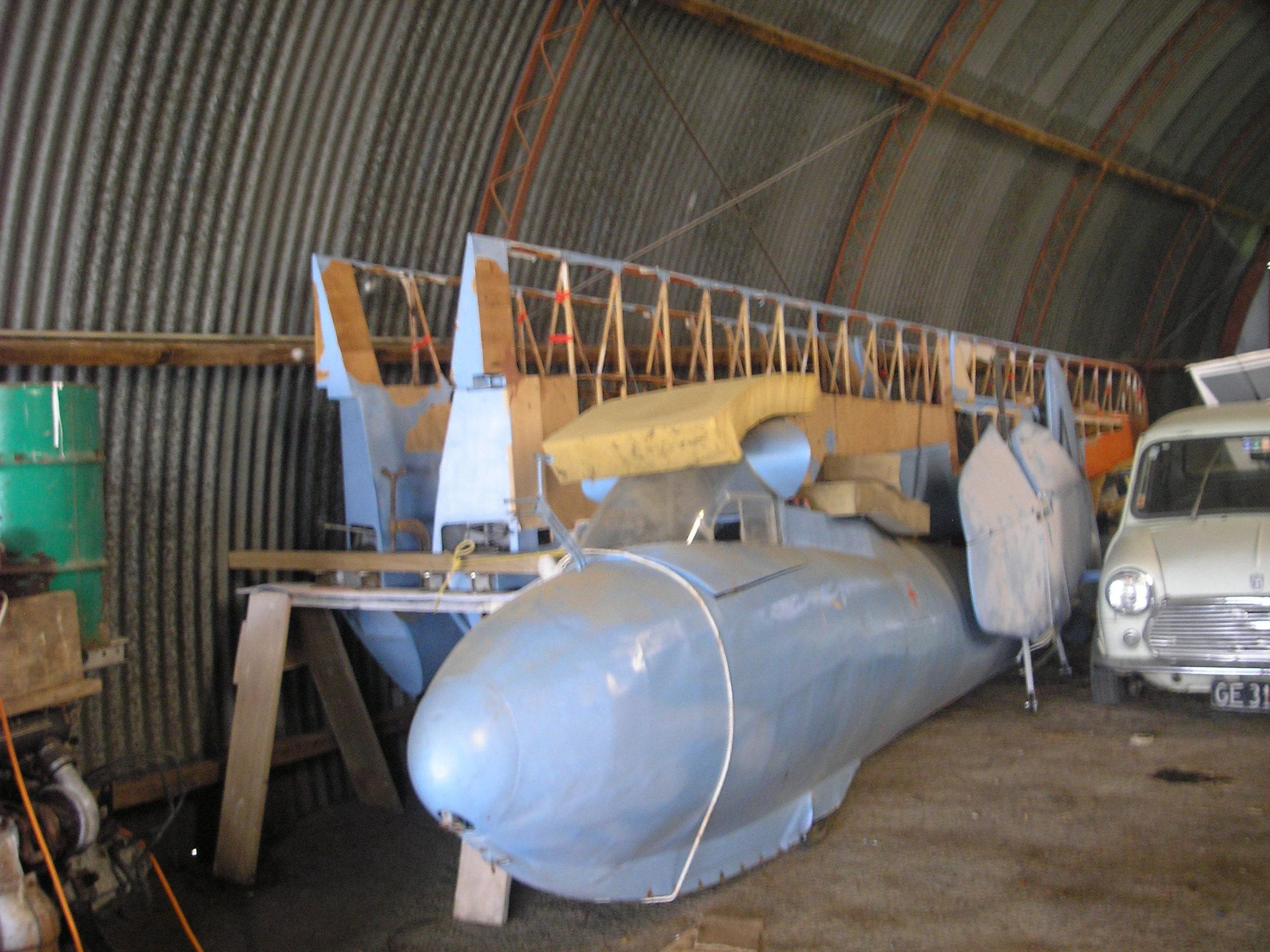
Peter Layne
Membership
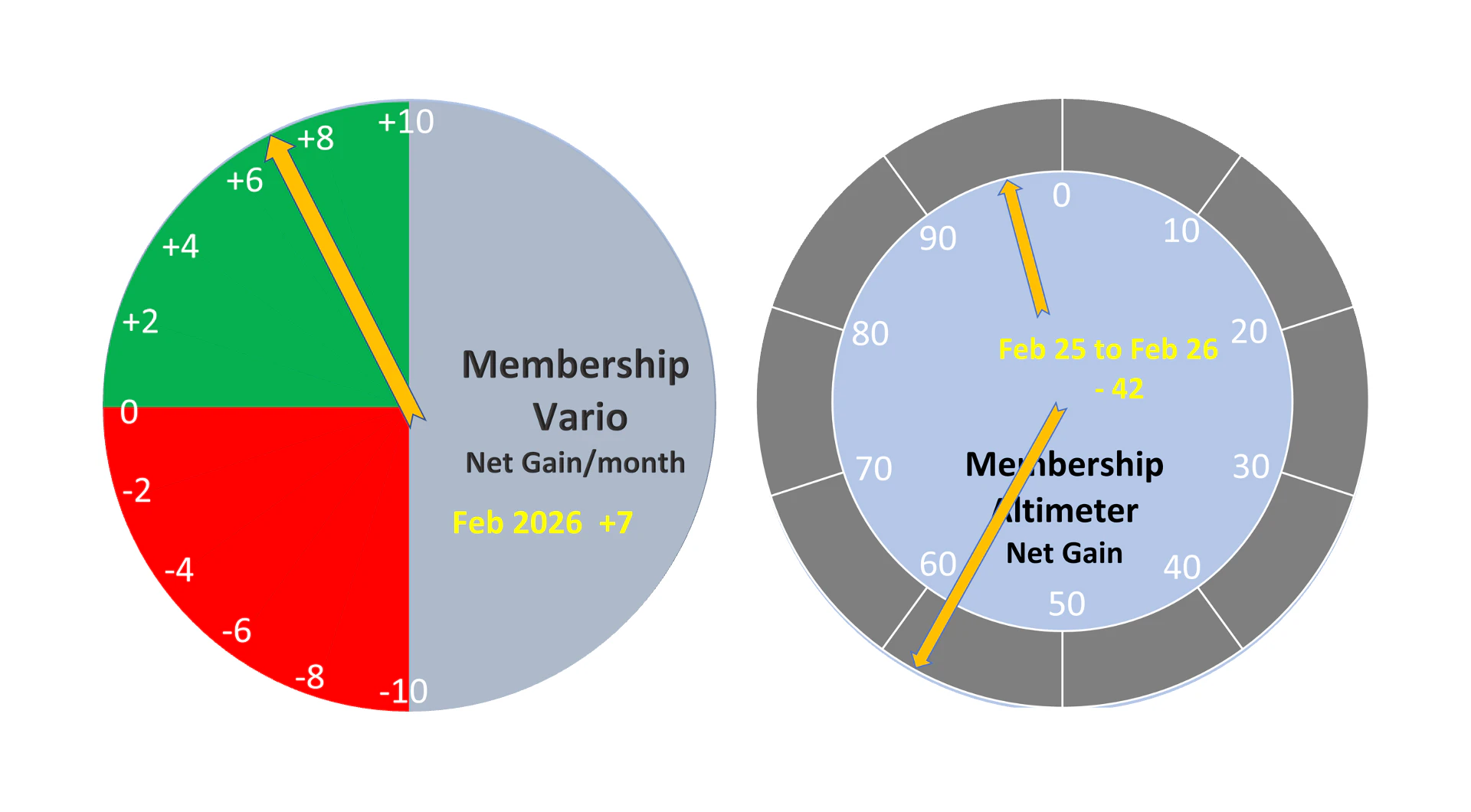
Membership Display Panel
With good weather and lots of club activity new members keep on coming through from the clubs around the country. It is a good time of year to be making hay while the sun shines in terms of membership for your club. Keep up the good work!
GNZ has a new IT Manager
Meet Will Verland
I got involved in gliding at the age of 15 when I attended the Air Training Corps’ week-long gliding course in Matamata in 2011. After finishing school and establishing a career in software engineering, I joined Piako Gliding Club in 2022. I gained my XCP about a year later - just in time for my firstborn to show up. These days, the family and endless DIY projects allow me to fly out of Matamata a few times a month in our club's PW-5, Single Astir, Puchacz and DG1000.
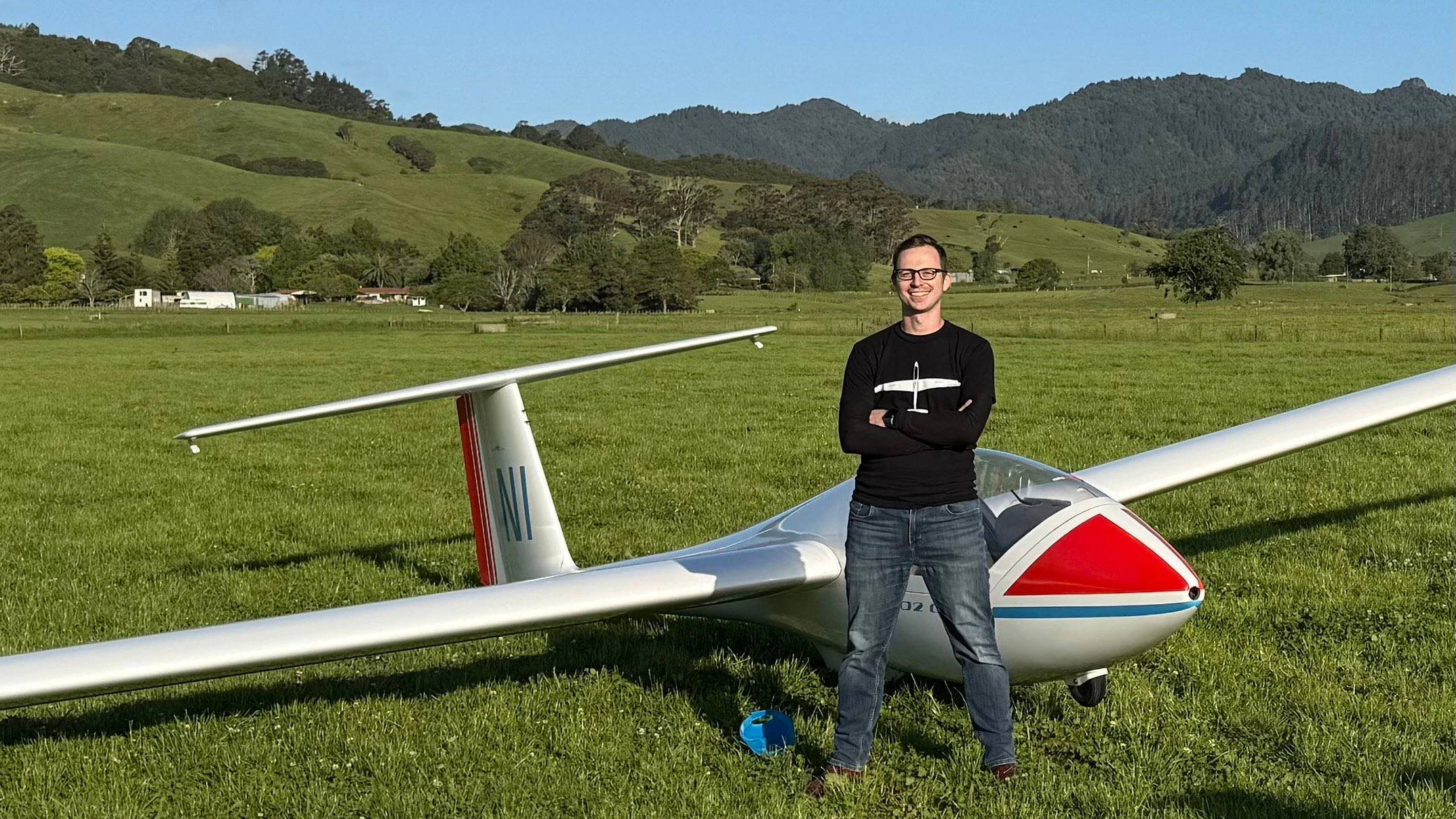
I took over the GNZ Webmaster role from Tim Bromhead in November 2025 as a way to give back to the sport a little - like so many of us do. I look after gliding.co.nz, training.gliding.co.nz, and gliding.net.nz - keeping things online, approving classifieds, fixing bugs, and occasionally adding new features. If you have any feedback or ideas on GNZ's IT systems - shoot them my way. We have limited resources and a long to-do list, but we're always trying to make things better.
Nga mihi

You can contact Will at: webmaster@gliding.co.nz
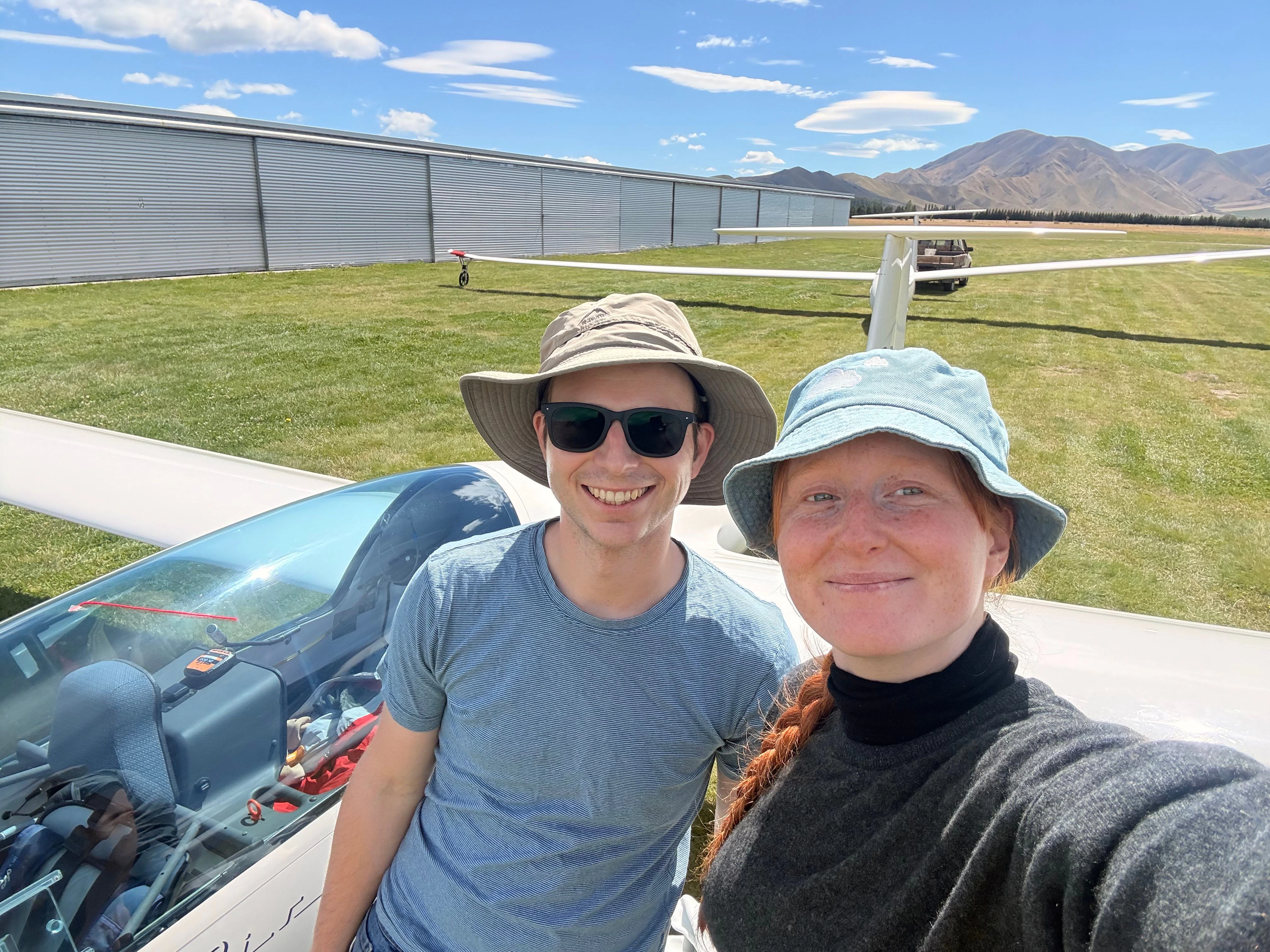
Ed: My spies tell me that Will has recently been enjoying some Omarama time. Seen here with fellow Piako member Charlie.
GNZ Tracking Site
A message from GNZ's IT Manager
Kia ora everyone,
The GNZ tracking site recently experienced an issue where a FLARM malfunctioned and constantly changed its ID. This appeared as hundreds of unregistered trackers (like *AB, *CD, *EF) on the map. This drowned out all the real aircraft on the GNZ tracking site, and created a safety risk by obscuring real traffic. To address this, the tracking site now automatically hides all unregistered trackers when too many of them are present. If this happens, you will see a notification that unregistered trackers are being hidden, with an option to unhide them.
To ensure that your aircraft is always visible on the tracking site, you must have registered your FLARM with OGN and FLARMnetby following these instructions. You will only ever need to do this once.
Please direct any questions or feedback to me at webmaster@gliding.co.nz.
Ngaa mihi,
Will Verland
UNACCEPTABLE AND UNCOMFORTABLE BEHAVIOURS ON THE AIRFIELD
by Vern Grant, GNZ National Welfare Officer
UNACCEPTABLE AND UNCOMFORTABLE BEHAVIOURS ON THE AIRFIELD.
From the desk of National Welfare Officer, Vern Grant.
Sorry but this article is not about gliding records or club news or accident reports. It is about something far more subtle; about something which is simmering just below the surface of some gliding clubs’ persona.
A) FOR ABSOLUTE AGES.....Men seemed to have found it necessary (often with bravado) to wolf whistle or make dumb sexist remarks and assorted sexist comments toward women. I’m sure you will have spotted this before. Sadly, it’s potentially alive and well on selected airfields!
The world has moved on from men thinking they can act with impunity toward women. Women have had enough and although they might not say anything, they find this attitude demeaning, disrespectful and frequently threatening. And this is NOT what GNZ is all about.
As NWO, I am calling it out for what it is.....overt sexism. It is not “natural” in any sense. It is not funny. It is not endearing. It is downright disrespectful and often times harmful.
B) SO WHAT AM I TALKING ABOUT? Have you witnessed any of these behaviours in your club?
- constantly touching
- invading personal space
- showing undue attention or favouritism
- making sexually inappropriate or lewd or sleazy jokes
- flirting
- leering
- a small slap or pinch on the bum
- buying drinks over and above what might be “normal” at a social function
- suggestive comments
Note that a flirty comment made by a young man toward a young woman is received quite differently to the same comment being made by, say, a senior instructor. Suddenly the comment becomes sleazy and sick. I suspect that the very few senior club members who would make such a comment haven’t yet twigged to how offensive some of their actions or comments are! In short, any behaviour or action which makes another person feel uncomfortable, at risk or being discriminated against is unacceptable.
C) HOW DOES THIS AFFECT THE VICTIM?
There is a whole chain of changes which can take place. Initially.....
1) the victim feels irritated. Feelings are hurt.
2) the victim gets bothered and starts to dwell on it.
3) this displeasure turns to aggravation and annoyance. Lots of scenarios will finish at this point.
4) this transmutes to anger.....feelings of being wronged
5) Anger can become internal fury which can become external rage
6) Hostility and resentment set in. Feelings become bitter.
7) Outrage sets in.
8) Then comes the accusation. All hell breaks loose. Rumours spread.
I believe that action needs to take place.
If you happen to spot any sexism as outlined above, please call it out for what it is. If you feel that that is a step too far, contact your Club Welfare Officer (CWO) or even me as National Welfare Officer (NWO). Make gliding a victimless sport.
Vern Grant
GNZ National Welfare Officer
PH: 022 105 3967
OSTIV Injury Survey
An International Study to Increase Pilot Safety
OSTIV request to NZ Pilots to take part in an international pilot injury study
One of the OSTIV Crashworthy Cockpit Group’s projects is to find the injuries inflicted on glider pilots in crashes to see whether particular design changes might significantly improve outcomes. You might expect that glider manufacturers or even regulatory bodies would have or make accessible some data on this – but none is available. In fact, nobody seems to possess such data, including fatal accidents.
To see if such data could be created, last year OSTIV made a small trial survey using a questionnaire to obtain such data from injured crash survivors. This turned out to be surprisingly successful and it received more replies than the original survey requests.
As a result, OSTIV decided to contact gliding associations around the world and to request them to send the Injury Study questionnaire to their members, asking those who had been injured in a glider accident to complete a relatively short electronic survey. Completion of this would, of course, be entirely voluntary. In addition, it would be very helpful if you would also pass on this request to any persons you know who were injured in a gliding accident but are no longer members of a gliding club.
The individual results will be anonymous and the purpose is definitely NOT to apportion blame or to re-analyse the circumstances that resulted in an accident. The purpose is to analyse all the results to obtain information that will be used to improve glider design from a safety point of view. This will help all glider pilots.
The questionnaire is available in the following languages: English, German and French. To start the survey, please click on the link corresponding to the appropriate language version:
English: https://ostiv-questionnaire.limesurvey.net/687739?lang=en
French: https://ostiv-questionnaire.limesurvey.net/687739?lang=fr
German: https://ostiv-questionnaire.limesurvey.net/687739?lang=de
The deadline for responding is 30 April 2026.
I do hope that you will agree to go along with this important initiative, the purpose of which is to save lives and to minimise injuries.
Airspeed! Airspeed! Airspeed!
The low level turn back...
Here is the second in our series of safety videos created with support from the NZAF and the CAA.
Since the first gliding fatality in New Zealand in 1961, records indicate that approximately 70% of all our fatalities involve the pilot in command being for whatever reason, too low and too slow, leading to some kind of stall / spin, impact into terrain. These accidents have occurred after aerotow upsets, winch launch upsets, low level thermalling, ridge flying, outlandings, home field landings and final glides. It is likely, that in almost all of these cases if the pilot in command had maintained a safe speed near the ground then most of them would have lived to tell the tale.
Incident Reports
Incident reports for January 2026
- heavy landing on runway after winch launch overspeed and canopy opening, serious injury
- newly-acquired single-seater flown with CG behind the aft limit, glider was very twitchy
- youth pilot attempted to taxi glider off after landing, too fast, had watched others doing it
- weak link break at towplane end while towing at 3,000 feet in turbulent conditions
- ground loop after outlanding in hard, pugged paddock and applying full brake, no damage
- glider hit fence after landing downwind on airfield, pilot landed well in to avoid a long walk
- outlanding made into field with 1-metre high maize, very minor damage to aircraft
- evidence found of bird strike on ground roll, marks found on underside of towplane wing
- fast cruise, object impacted glider canopy, crack spread from side window, likely bird strike
- glider pilot was given joining instructions at controlled airfield but then delayed the landing
- fence damage to wing on outlanding - unable to penetrate wind and sink under wave system
You can access all back copies of the Ops Team Talking newsletters.
These have been placed on the Gliding NZ web site under News > Safety Bulletins A link to the GNZ accident & incident reporting form (OPS 10) can be found in the very top menu bar on the GNZ homepage, just to the right of the 'Classified Adverts'. You can now fill this form out on your phone at the airfield, so no excuses.

OPS 10 link: http://gliding.co.nz/wp-content/uploads/2019/06/OPS10v7f.pdf
In the case of an accident, asap please phone: 0508 ACCIDENT (0508 222 433)
NOTE: The OPS 10 form has been renamed and amended to include reporting of accidents as well as incidents – previously it was intended for incidents only.
(A CA005 still needs to be sent to CAA for accidents, but the OPS Team doesn’t require a copy of that now.) Consequential changes have been made to the MOAP and AC 2-08.
GNZ Classifieds
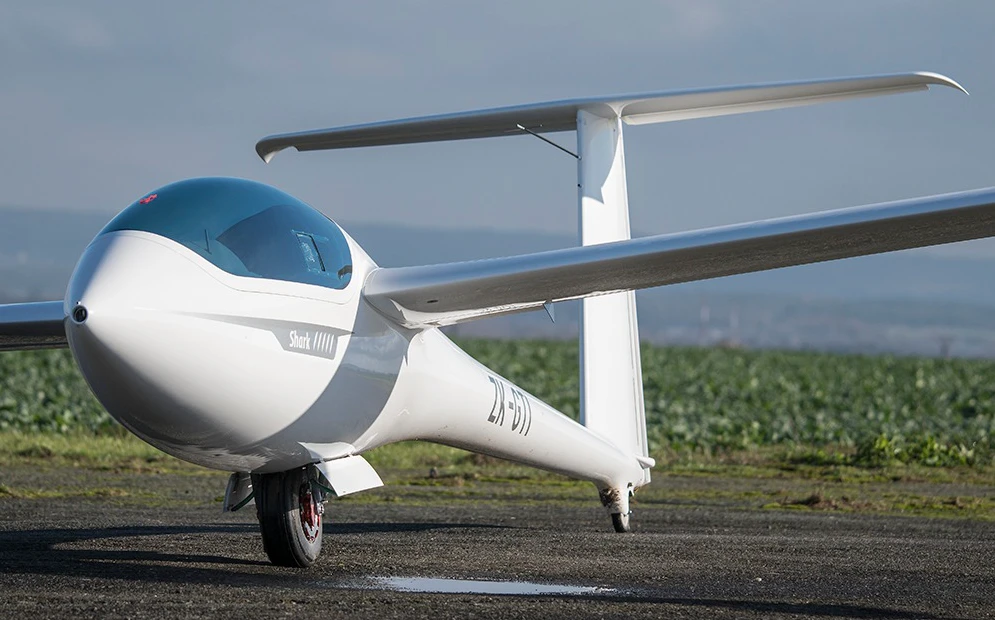
Self launching HPH Shark 304MS with only 6Hrs of flight time
Self-Launch glider with full specification including;
- acrylic paint,
- oxygen,
- LX9070 with V8 vario,
- ADSB,
- Power flarm,
- AHRS and much more.
- Cobra trailer together with single person rigging and ground handling equipment.
Company demo aircraft, NZ$299,000 plus GST, free of tax on export.
Contact Information
Contact: Tim Harrison
Phone: 021 022 49401
Email: timhar@xtra.co.nz
For more gliders and other gliding stuff you can check out the GNZ classifieds at the link below.
Thanks for reading
All contributions, pics, videos and opinions welcome
EMAIL: president@gliding.co.nz